
Discover why generic drugs are often cheaper in the US than in Europe, while brand-name meds cost a fortune. Explore the role of PBMs and government pricing.
Author: Casper Mallory

Explore the complete list of NTI drugs including warfarin, lithium, and phenytoin. Learn why narrow therapeutic index medications require precise monitoring and why generic substitutions carry risks.
Explore Upper Airway Stimulation (UAS) as a CPAP alternative for sleep apnea. Learn about the Inspire implant procedure, eligibility criteria, and patient outcomes.

Learn how to protect kidneys by managing AKI risks in CKD patients. Guide on avoiding contrast dyes and harmful drugs.
Chronic pain and insomnia feed each other in a vicious cycle. Breaking it requires more than painkillers or sleep aids-CBT-I is the most effective, science-backed method to restore sleep and reduce pain naturally.
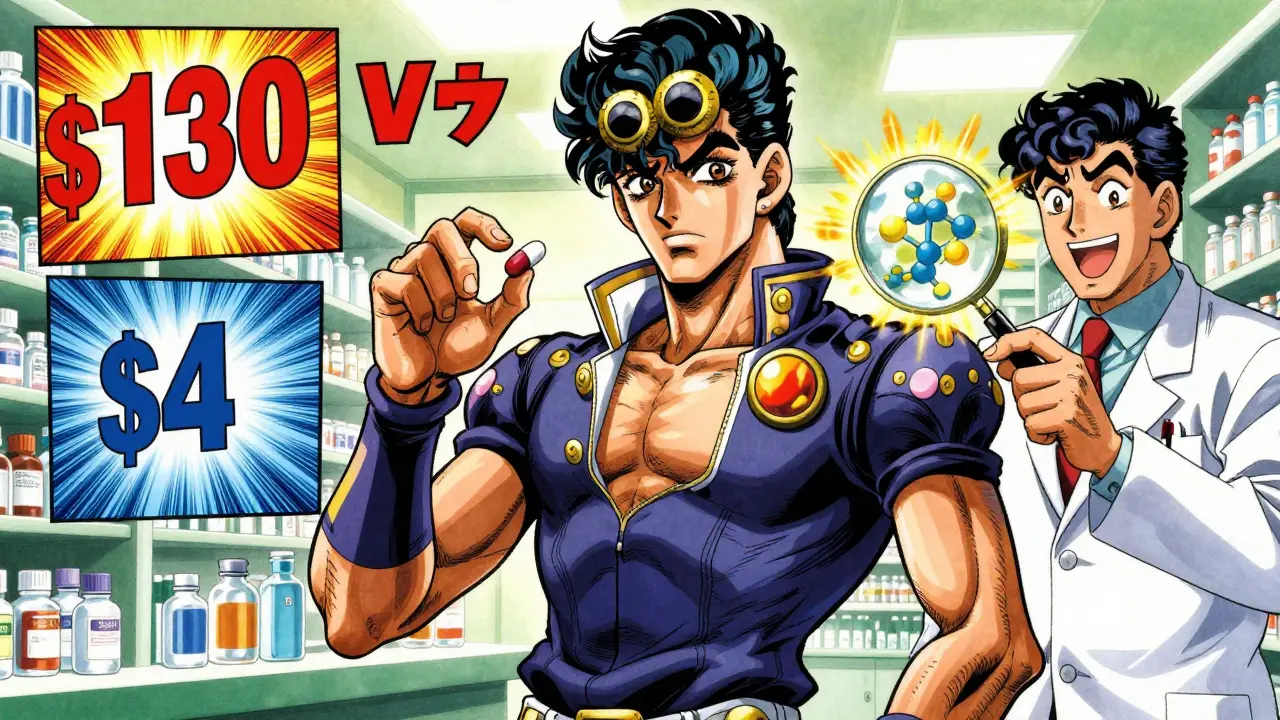
Switching to generic medications saves up to 85% on prescription costs without sacrificing safety or effectiveness. Learn why generics are just as good - and how to make the switch.
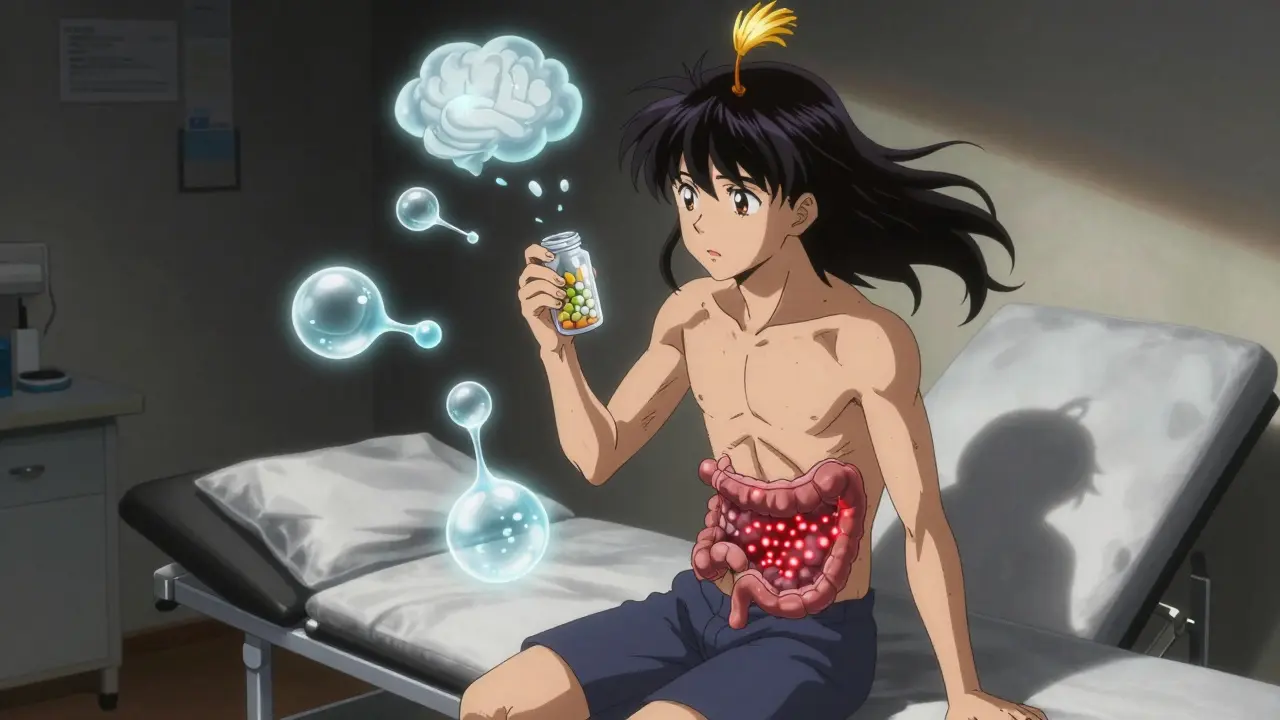
Drug side effects are unintended reactions to medications - ranging from mild drowsiness to life-threatening reactions. Learn what causes them, how common they are, and real examples from everyday drugs - plus how to respond when they happen.
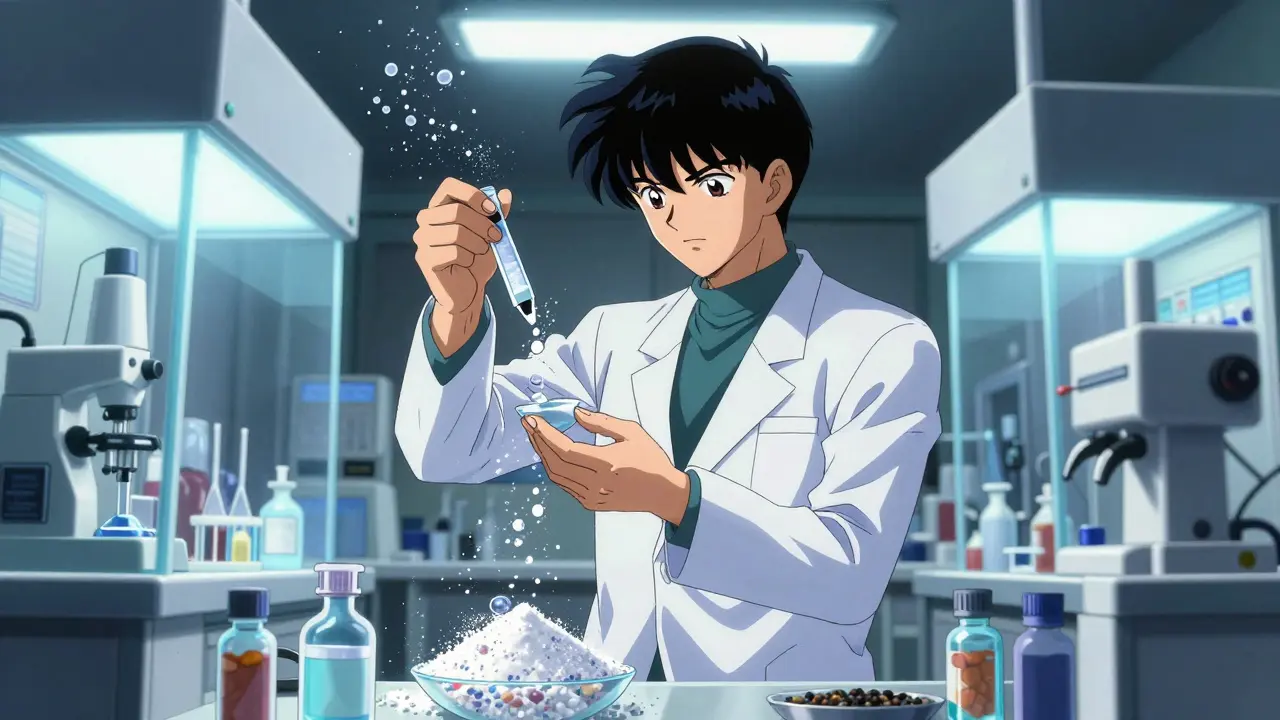
When drugs are unavailable due to shortages or allergies, compounding pharmacies create custom medications tailored to individual needs-offering life-saving alternatives with precise dosing and allergen-free formulas.

Teaching teens to manage their own prescription meds reduces risks of misuse and improves long-term health. Learn how to build routines, use tools, and gradually hand over responsibility before they leave home.

The first generic drug maker to launch after a patent expires captures up to 90% of the market - and holds onto it for years. Here's why being first matters more than price, and how companies win big.