
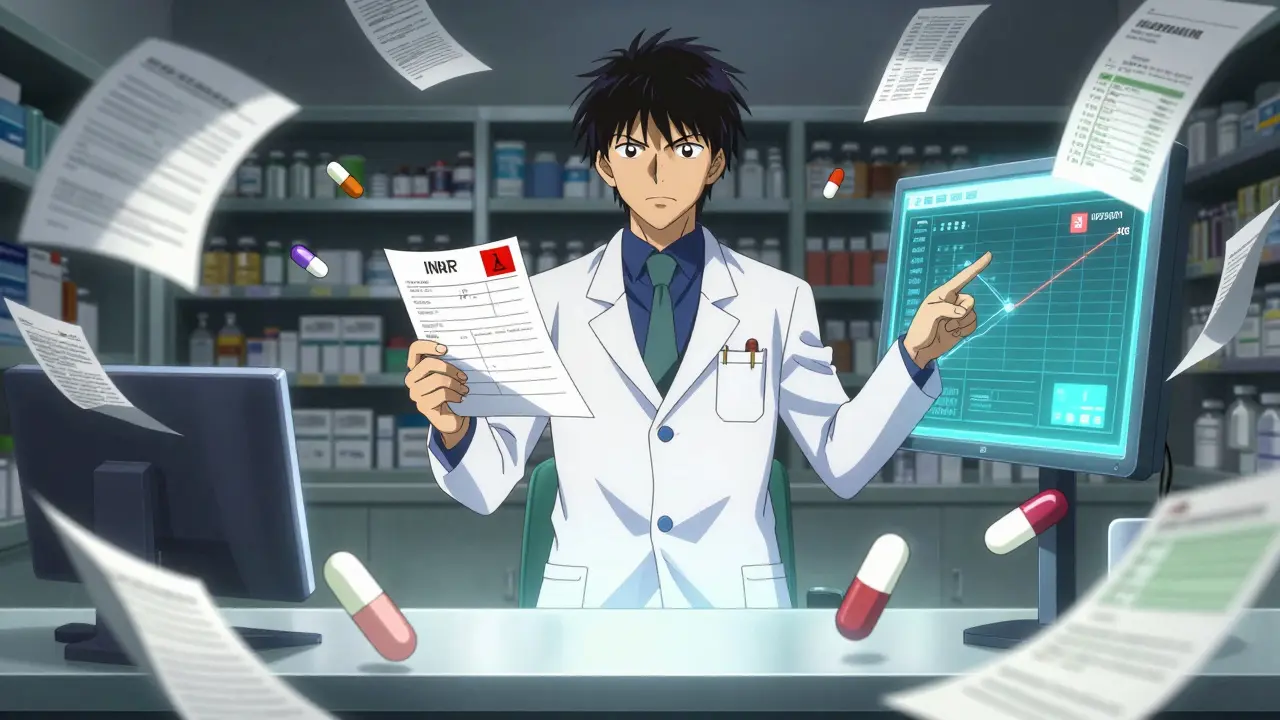
Every year, over 1.5 million people in the U.S. are harmed by medication errors. Many of these mistakes never reach the patient-not because luck was on their side, but because a pharmacist caught them.
Pharmacists aren’t just the people who hand out pills. They’re the final, critical checkpoint in a long chain of steps where things can go wrong. A doctor writes a prescription. It gets transcribed. It’s filled by a technician. And then, before it leaves the pharmacy, a pharmacist reviews it. That’s when most errors get stopped.
Studies show pharmacists prevent about 215,000 medication errors each year in the U.S. alone. That’s not a guess. It’s backed by data from the Agency for Healthcare Research and Quality. And it’s not just about catching the obvious stuff like wrong doses. It’s about spotting hidden dangers-drug interactions, allergies, duplicate therapies, and dosing mistakes that could kill someone.
The System That Keeps You Safe
Modern pharmacies run on layers of technology, but none of it works without a pharmacist’s judgment. Electronic prescribing cut down on errors from illegible handwriting by 95%. Barcode scanning reduced dispensing mistakes by 51%. Automated cabinets lowered errors by 38%. But here’s the truth: those tools flag problems. They don’t solve them.
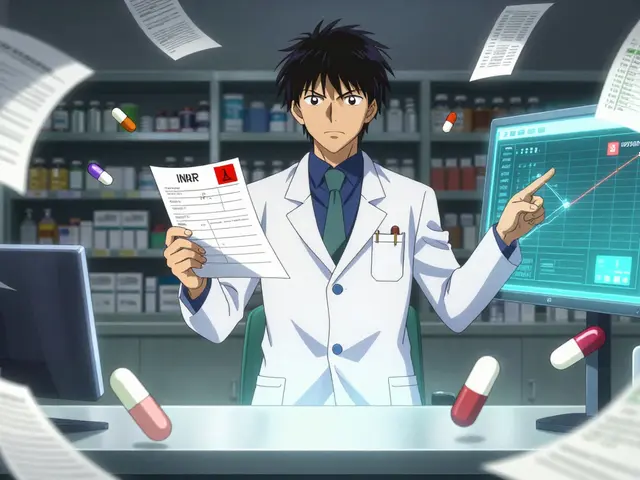
Take a common scenario: a patient on warfarin gets prescribed a new antibiotic. The system flags a potential interaction. But not all interactions are equal. Some are minor. Others can cause internal bleeding. A pharmacist knows the difference. They check the patient’s INR levels, their diet, their other meds, and decide whether to call the doctor, suggest an alternative, or just monitor closely. That’s not something software can do alone.
In hospitals, pharmacists do medication reconciliation every time a patient is admitted, transferred, or discharged. On average, they find 2.3 medication discrepancies per patient. That could mean a patient was taking a blood thinner at home but it got dropped from their hospital list. Or they were prescribed two drugs that shouldn’t be mixed. Without a pharmacist catching that, the patient could end up in the ER-or worse.
Double Checks and High-Risk Meds
Not all prescriptions are created equal. Some meds are called “high-alert”-insulin, heparin, opioids, chemotherapy drugs. One mistake with these can be deadly. That’s why hospitals and many pharmacies use a double-check system: one person prepares the dose, another verifies it. This cuts errors by 42% for these drugs.
Even in community pharmacies, the best practices include independent double-checks for high-risk meds. In Australia, this is becoming standard in major chains. The technician pulls the medication. The pharmacist reviews the prescription, checks the patient’s history, confirms the dose, and only then releases it. If something feels off-even if the system says it’s fine-they stop. They call the doctor. They ask the patient. They don’t rush.
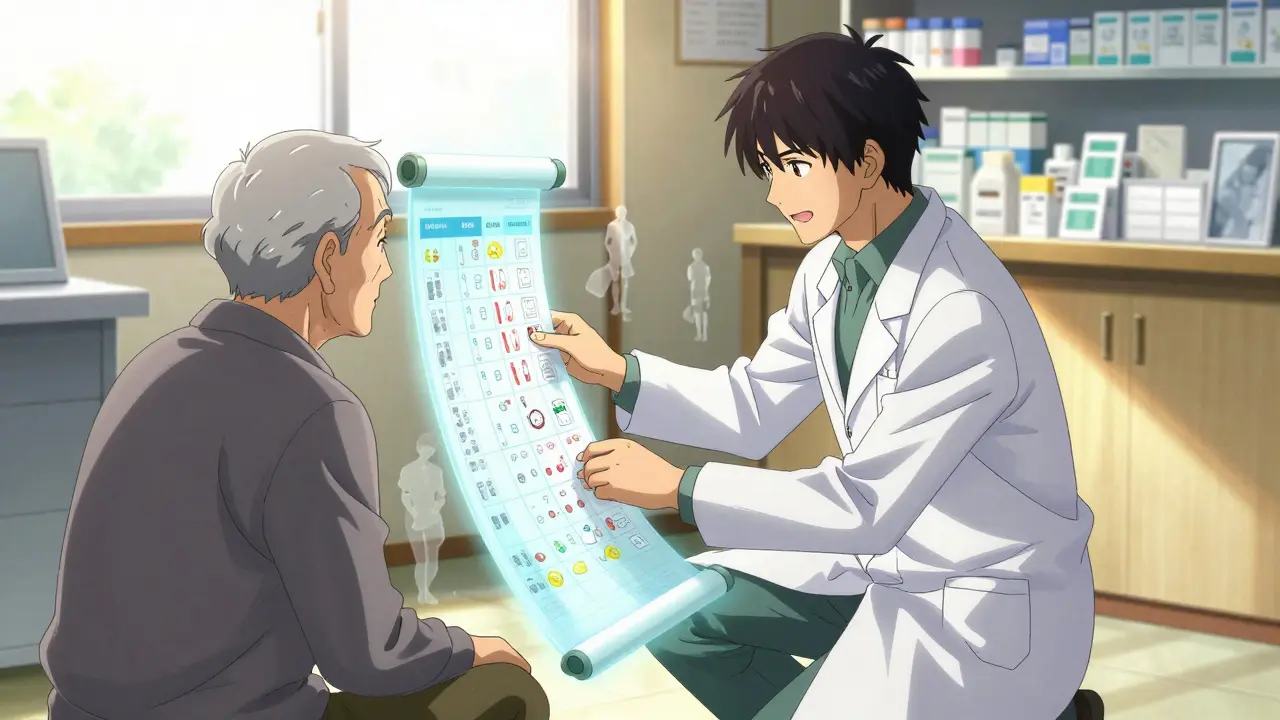
And it’s not just about the pills. It’s about the labels. A patient with poor vision might miss small print. A non-English speaker might misunderstand instructions. Pharmacists adjust labels, add pictograms, or even call the patient at home to explain. That’s part of the job too.
Why Technology Alone Isn’t Enough
Computer systems are great at catching obvious mistakes. But they’re terrible at context. A 2022 study found pharmacists override nearly half of drug interaction alerts because the system flags things that aren’t actually dangerous. That’s called “alert fatigue.” Too many false alarms, and even the best professionals start ignoring them.
The solution? Tiered alerts. Systems that only scream for high-risk interactions-like combining warfarin and trimethoprim-and quietly log the rest. That cut override rates from 49% down to 28%. But even with smarter alerts, it’s still the pharmacist who decides what matters.
And here’s something most people don’t realize: pharmacists catch errors that originate elsewhere. A nurse misreads a chart. A doctor types the wrong drug name. A patient forgets to mention they’re taking an herbal supplement. The pharmacist sees the full picture. They’re the only ones who have access to all the data-prescriptions, lab results, allergies, even over-the-counter meds the patient didn’t tell the doctor about.
Real Stories Behind the Numbers
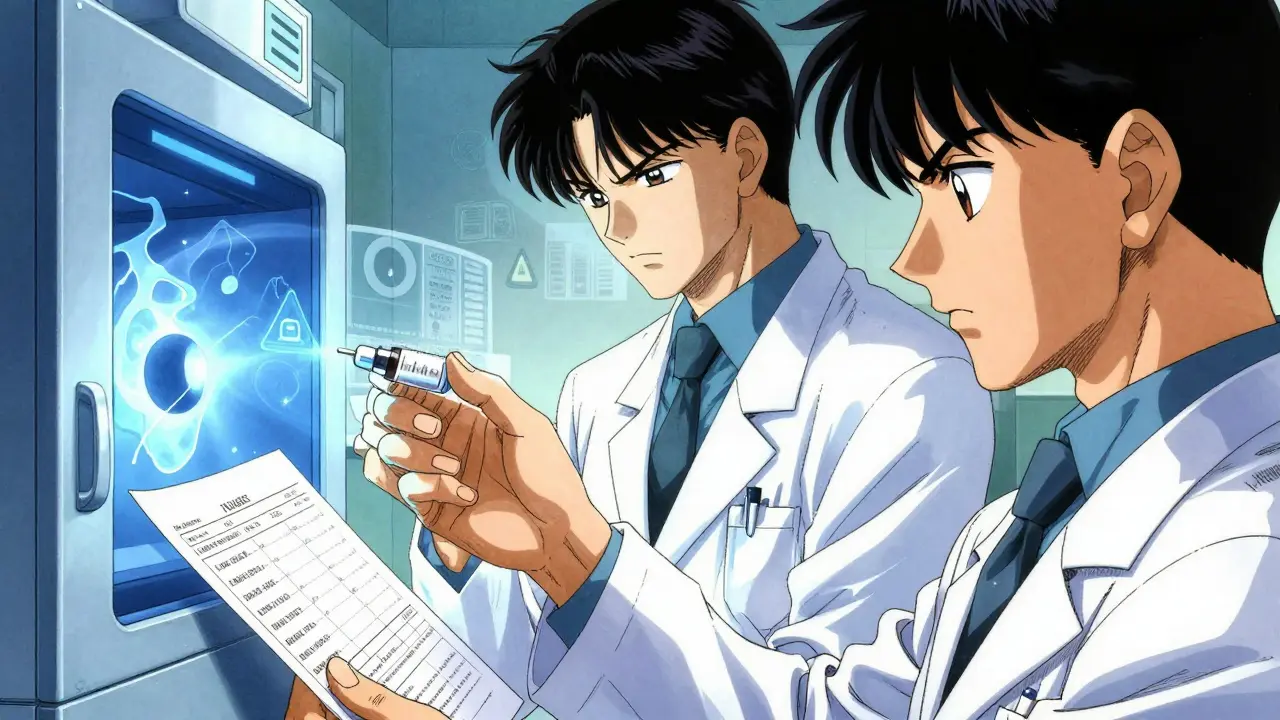
In a clinic in Tehran, pharmacists reviewed 861 patient records and found 112 medication errors. Nearly half came from doctors. Almost half from nurses. A tiny fraction from patients. That’s the reality. Mistakes happen at every level.
One patient in Melbourne was prescribed 10 times the normal dose of warfarin. The prescription came through electronically. The technician saw it, flagged it, and passed it to the pharmacist. The pharmacist checked the patient’s weight, age, kidney function, and recent INR results. It didn’t add up. They called the doctor. Turns out, the prescriber meant 5 mg-not 50 mg. That one error could have caused a stroke or fatal bleeding.
On Reddit, a pharmacy tech wrote: “I see 3 to 4 serious errors a week that slip past pharmacists because they’re rushing.” That’s the flip side. Pressure to fill prescriptions fast can lead to missed errors. That’s why the American Society of Health-System Pharmacists recommends at least 15-20 minutes per complex case. No shortcuts.
The Hidden Work: Communication and Advocacy
Most of a pharmacist’s error-prevention work happens off the counter. They call doctors. They email clinics. They follow up with patients. They spend an average of 2.7 hours a week just resolving potential errors. That’s not billing time. That’s safety time.
They also advocate for patients who don’t know how to speak up. An elderly woman on five different meds might not realize one of them causes dizziness. A teenager on acne medication might not know it interacts with birth control. Pharmacists don’t just dispense-they educate. And that education prevents future errors.
They also track outcomes. If a patient had a bad reaction last month, the pharmacist makes sure it doesn’t happen again. They update the record. They flag the file. They make sure the next pharmacist who sees it knows the history.
What’s Changing Now
Pharmacists are no longer just behind the counter. In 27 U.S. states, they can now adjust prescriptions independently for certain conditions-like diabetes or high blood pressure-under collaborative agreements. That’s a big shift. It means they’re not just catching errors. They’re preventing them before they happen.
AI tools are emerging too. New systems analyze prescriptions and highlight the ones most likely to have errors, so pharmacists can focus on what matters. These tools cut cognitive load by 35% and still catch 98% of critical mistakes.
But here’s the catch: workforce shortages are real. In low-income countries, one pharmacist might serve 500 patients. In some rural U.S. areas, it’s close to 300. That’s too many. Studies show error prevention drops to just 15% under those conditions.
By 2025, the U.S. could face a shortage of 15,000 pharmacists. If that happens, more errors will slip through. More people will get hurt. The system is only as strong as its weakest link-and right now, that link is staffing.
The Bottom Line
Pharmacists are the last line of defense. They’re not perfect. They’re not magic. But they’re trained, they’re vigilant, and they’re the only ones who see the whole picture. Every time you pick up a prescription, someone checked it-not just for accuracy, but for safety.
That’s why pharmacist-led interventions reduce medication error rates by 37% across all settings. That’s why they save an estimated $13,847 per prevented error. And that’s why, despite all the technology, we still need them.
The system works because pharmacists care enough to slow down. To ask questions. To call doctors. To double-check. To speak up-even when no one’s watching.
How often do pharmacists catch medication errors?
Pharmacists prevent an estimated 215,000 medication errors each year in the U.S. alone, according to the Agency for Healthcare Research and Quality. In hospital settings, they catch an average of 2.3 medication discrepancies per patient during transitions of care. In community pharmacies, double-check systems help catch 78% of potential dispensing errors before they reach patients.
Can technology replace pharmacists in catching errors?
No. While electronic prescribing, barcode scanning, and clinical decision support systems reduce errors by up to 95% for handwriting issues and 51% for dispensing mistakes, they still rely on pharmacists to interpret alerts and make clinical decisions. Computer systems flag potential problems, but pharmacists determine which ones are real threats based on the patient’s full medical history.
What types of errors do pharmacists usually catch?
Pharmacists commonly catch dosing errors (like 10x too much warfarin), drug interactions (e.g., mixing blood thinners with antibiotics), allergies, duplicate therapies, incorrect drug selections (especially with look-alike or sound-alike names), and missing patient-specific factors like kidney function or pregnancy status. They also spot errors from prescribers, nurses, and even transcription mistakes.
Why do some errors still get through?
Workflow pressure, understaffing, and alert fatigue are the main reasons. Pharmacists may be asked to fill dozens of prescriptions per hour, leaving little time for deep review. In some areas, one pharmacist serves over 300 patients. When systems flood them with low-priority alerts, they start ignoring them. High-risk settings like emergency rooms or perioperative units also see lower error detection rates due to fast-paced environments.
What can patients do to help prevent errors?
Patients can keep an updated list of all their medications-including supplements and over-the-counter drugs-and share it with every provider. They should ask pharmacists to explain new prescriptions, check for interactions, and confirm dosages. If something feels off-like a pill that looks different than before-they should speak up. Pharmacists are there to help, not just to dispense.
Kristin Dailey
January 17, 2026 at 12:24Pharmacists are the real MVPs. Without them, we'd all be dead by now. Period.
Pat Dean
January 17, 2026 at 17:22You think this is impressive? In other countries, they don't even have pharmacists. We're lucky we still have standards.
Emma #########
January 18, 2026 at 02:08I had a pharmacist stay late just to call my doctor about a conflicting med. She didn't have to do that. I'll never forget it.
Robert Cassidy
January 19, 2026 at 01:18Technology is a crutch. The real danger isn't the error-it's the delusion that a machine can replace human judgment. We're becoming a nation of passive zombies waiting for alerts to save us. Pathetic.
Naomi Keyes
January 19, 2026 at 02:46According to the American Journal of Health-System Pharmacy (2023), pharmacist-led interventions reduce adverse drug events by 37.2%, with a 95% confidence interval of [34.1%, 40.3%]. Moreover, the cost-avoidance metric is $13,847 ± $1,203 per prevented error, per AHRQ data. This is not anecdotal-it's statistically validated.
Andrew Qu
January 20, 2026 at 14:13If you’ve ever been on multiple meds, you know how easy it is to get lost. Pharmacists are the ones who actually listen. They’re not just filling orders-they’re protecting lives. Don’t take them for granted.
kenneth pillet
January 22, 2026 at 04:50i once saw a pharmacist catch a 10x overdose on warfarin. she just looked at the screen, paused, and called the doc. no fanfare. just quiet professionalism. that’s the real deal
Danny Gray
January 23, 2026 at 06:14So we’re glorifying pharmacists because they do their job? What about the doctors who write the errors? The nurses who misread charts? The system’s broken, and we’re just handing out medals to the last guy who catches the mess.
Zoe Brooks
January 23, 2026 at 06:38Pharmacists deserve way more respect. 🙏 They’re the quiet heroes we never think about until something goes wrong. And when they do catch it? You just get your pills like normal. No applause. No headlines. Just safety.
Stacey Marsengill
January 25, 2026 at 00:10Let’s be real-most of these pharmacists are overworked, underpaid, and emotionally drained. They’re not superheroes. They’re just people holding back the tide with their bare hands. And we wonder why burnout’s through the roof.
Aysha Siera
January 25, 2026 at 08:56This is all propaganda. The pharmaceutical industry funds these studies. They want you to think pharmacists are saving you-when really, they’re just the gatekeepers keeping you dependent on expensive drugs. Wake up.
rachel bellet
January 26, 2026 at 20:09The data is statistically significant, but the underlying systemic failure remains unaddressed. The pharmacoeconomic model incentivizes volume over vigilance, and the current reimbursement structure disincentivizes comprehensive medication reconciliation. This is not a hero narrative-it’s a symptom of structural malpractice.
Selina Warren
January 27, 2026 at 08:17We need to pay pharmacists like the life-saving professionals they are. Not just for filling scripts-for saving lives. Stop treating them like order-takers. They’re the final firewall. Treat them like it.
Robert Davis
January 28, 2026 at 08:14I work in a pharmacy. We’re told to fill 80 scripts an hour. You think I have time to dig into every interaction? The system’s rigged. The tech flags stuff. I glance. Sometimes I miss. It’s not laziness. It’s survival.