
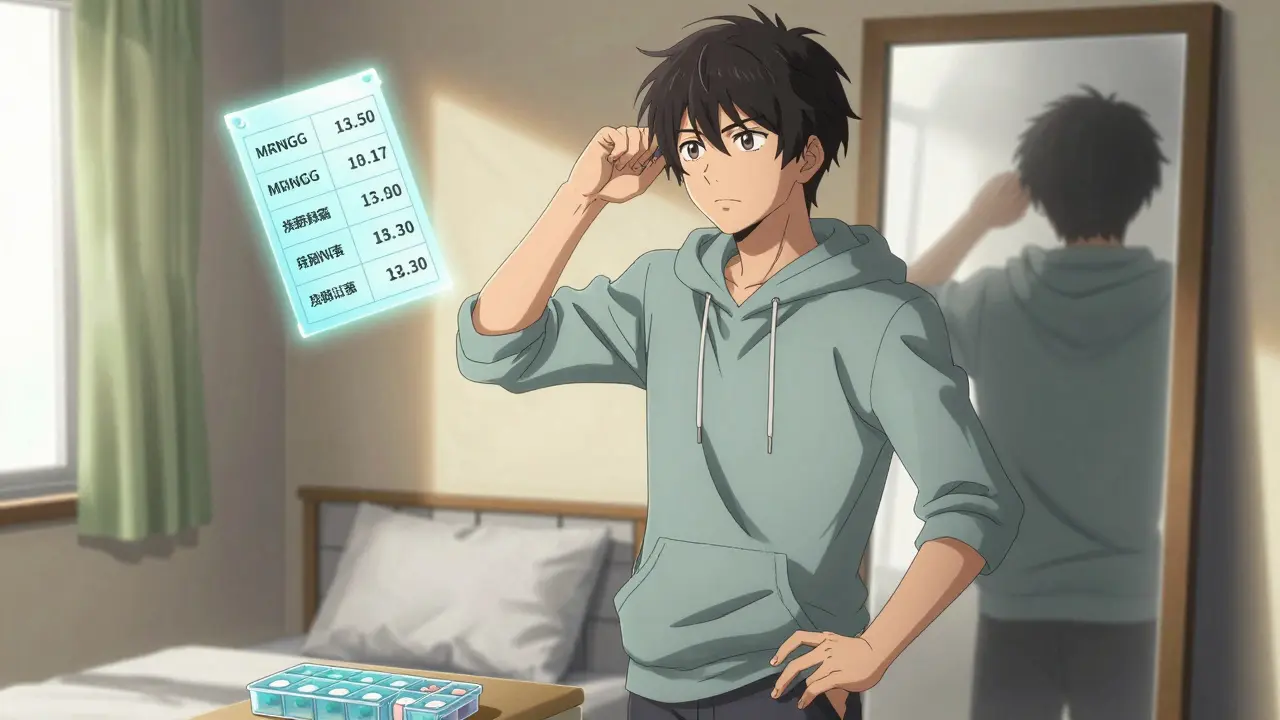
Teaching teens to handle their own prescription medications isn’t just about remembering to take pills. It’s about preparing them for a life where they’re responsible for their own health. Every year, thousands of teens leave home for college, jobs, or independent living without ever learning how to manage their meds safely. The result? Missed doses, dangerous interactions, or worse-misuse. The good news? With the right approach, you can help your teen become confident, capable, and safe when it comes to their medications.
Start Early, But Don’t Rush
Many parents wait until their teen is about to leave for college to start talking about meds. That’s too late. The best time to begin is in 10th grade. By then, most teens are already taking medications for conditions like ADHD, asthma, depression, or acne. This is the perfect window to build skills slowly. You don’t hand a 16-year-old the keys to a car without practice. Don’t hand them control of their meds without practice either. Begin with simple tasks. Ask them to read the label on their pill bottle. What’s the name of the drug? Why are they taking it? What time of day should they take it? If they can’t answer, it’s time to sit down with their doctor and ask. Make this a regular habit-not a one-time lecture.Build a Routine, Not a Checklist
Teens don’t respond well to long lists or complicated systems. What works? Linking medication time to something they already do every day. Brushing teeth. Eating breakfast. Charging their phone. These are habits they don’t skip. A study from the University of Rochester found that teens who paired their meds with an existing habit were 37% more likely to take them on time. That’s huge. If they take their ADHD medication after brushing their teeth in the morning, it becomes automatic. No reminders needed. No arguing. Just routine. Use a pill organizer. Not the fancy one with alarms-just a simple seven-day box with morning and night slots. It’s visual. It’s simple. If they see an empty slot, they know they missed it. No guesswork.Use Tools That Actually Work
There are dozens of medication apps out there. Most are designed for older adults. Only 22% have been tested for teens. But a few work well. Medisafe and MyMeds are two of the most reliable. They send daily reminders, let teens log doses, and even notify a parent if a dose is missed. A 2022 study showed that teens using these apps improved adherence by 28%. That’s not magic. It’s accountability. But don’t rely on tech alone. Set multiple alarms on their phone. One at 7 a.m., another at 7:05 a.m., and a third at 7:10 a.m. Teens ignore one alarm. They rarely ignore three. Also, keep a written log. A small notebook or even a note in their phone where they check off each dose. Seeing progress builds confidence. And if they miss a dose, they can’t say they forgot-they wrote it down.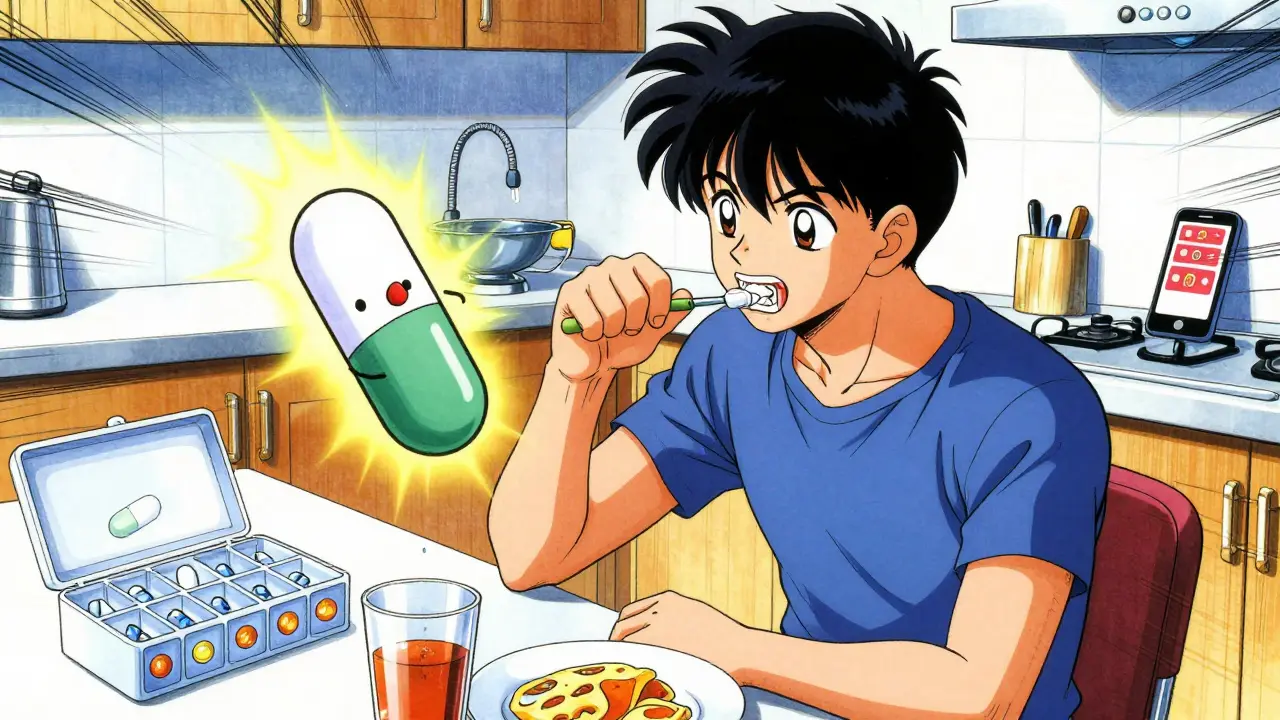
Teach Them to Talk to Their Doctor
One of the biggest risks? Teens never tell their doctor when something’s wrong. Side effects. Stomach pain. Mood swings. They think it’s normal. Or they’re scared of getting in trouble. Start practicing now. Before each appointment, ask your teen: “What’s one thing you want to ask the doctor?” Help them write it down. Role-play the conversation. “I’ve been feeling really tired since I started this med. Is that normal?” By 12th grade, they should be able to walk into the exam room alone and say, “I’ve been having headaches after I take this pill.” That’s not rebellion. That’s independence. And it saves lives.Know the Dangers-And Talk About Them
A lot of teens think prescription drugs are safer than street drugs. They’re wrong. According to the DEA, 70% of teens believe prescription painkillers or ADHD meds are harmless if they’re prescribed. That’s a myth. Opioids, stimulants like Adderall, and anxiety meds like Xanax are the most commonly misused. Why? They’re easy to get. A sibling’s leftover pills. A friend’s extra dose. A bottle left on the counter. Don’t just warn them. Give them real tools. Teach them to say: “No thanks, I’m not into that.” Role-play how to handle peer pressure. Show them how to spot fake pills-some counterfeit painkillers now look exactly like oxycodone but contain deadly fentanyl. The My Generation Rx curriculum, used in schools across the U.S., teaches teens to recognize these risks and build confidence to say no. Schools that used it saw a 33% drop in prescription drug misuse over two years.Supervise, Then Step Back
You don’t have to be a pill police. But you do need to be a coach. Start by watching them take their meds. Then move to texting them: “Did you take your pill?” Then, check their pill box once a week. By 12th grade, you should be doing random spot checks-once a month. If they’ve been consistent, you can stop checking entirely. But here’s the rule: Controlled substances must stay locked up. Painkillers, sedatives, ADHD meds-keep them in a lockbox. Not in their room. Not on the bathroom shelf. A lockbox in a closet or drawer. Aetna’s 2021 guidelines say this is non-negotiable. Also, never leave extra pills lying around. If they’re no longer needed, take them to a pharmacy for safe disposal. There are over 14,000 drop-off locations in the U.S. alone. No need to flush them. No need to throw them in the trash.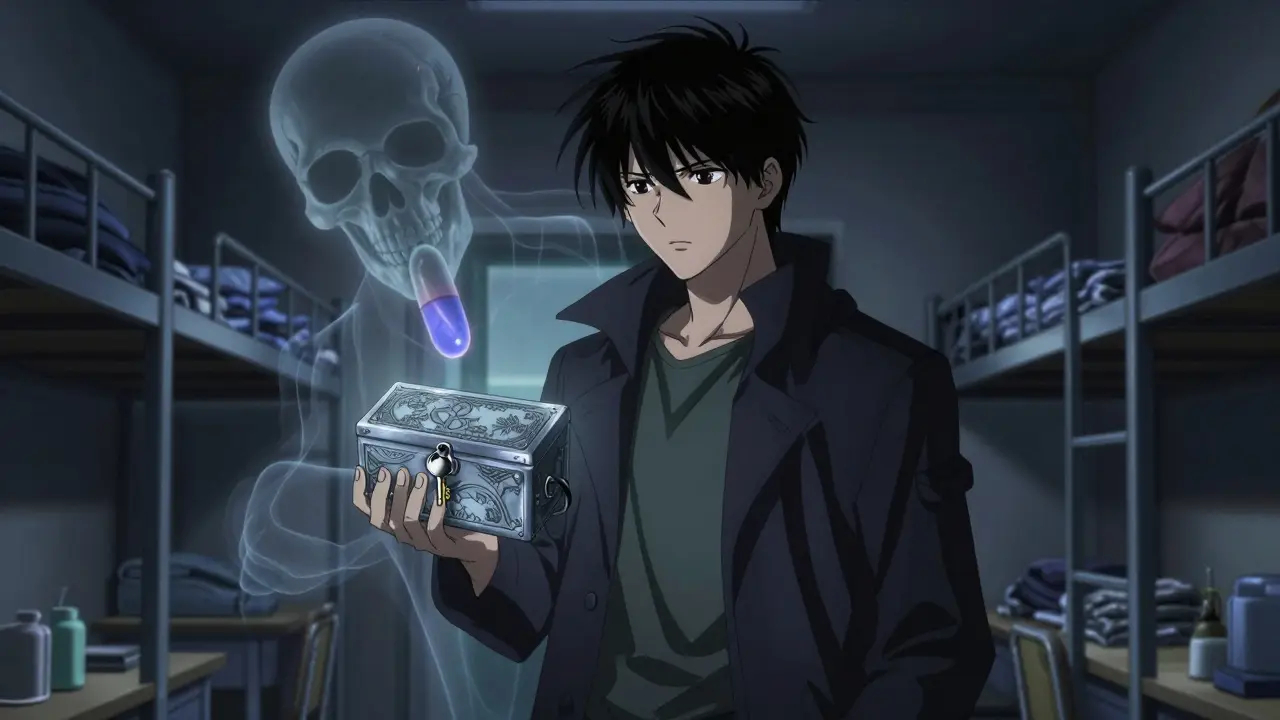
Let Them Own It
The goal isn’t perfection. It’s progress. If they miss a dose, don’t yell. Ask: “What happened?” Maybe they stayed up late. Maybe they forgot because they were stressed. Maybe they didn’t understand the side effects. Turn mistakes into lessons. Help them adjust the routine. Move the alarm. Try a different pill box. Talk to the doctor about changing the time of day. And celebrate wins. “You took your meds every day last week. That’s awesome.” Positive reinforcement works better than punishment.What About College?
If your teen is heading to college, make sure they know how to refill prescriptions. Can they call the pharmacy? Do they have their doctor’s contact info? Do they know if their insurance covers the med out-of-state? Many teens don’t realize their insurance changes when they leave home. Some meds require prior authorization. Others aren’t covered at all. Talk to the pharmacy before they leave. Set up automatic refills. Download the pharmacy’s app. Also, make sure they know where to get help if something goes wrong. Campus health center? Urgent care? Poison control? Give them the numbers. Save them in their phone.It’s Not Just About Pills
Teaching teens to manage meds is about more than taking pills on time. It’s about building self-reliance. It’s about understanding their body. It’s about knowing when to ask for help. The number of teens needing treatment for prescription misuse hit 4.8 million in 2022. That’s not a statistic. That’s a generation of kids who weren’t taught how to handle this. You can change that. Start small. Be patient. Keep talking. And remember-this isn’t a one-time lesson. It’s a lifelong skill.
APRIL HARRINGTON
March 8, 2026 at 19:35I can't believe we're still having this conversation like it's 2005. My 15-year-old takes her Adderall like a pro-after brushing her teeth, no reminders, no drama. Just science and routine. Why are parents still treating this like a chore instead of a life skill?
Leon Hallal
March 10, 2026 at 08:52My kid missed his dose three days last week because he forgot. I didn't yell. I asked what happened. Turns out he was up until 3 a.m. gaming. So we moved the alarm to after his morning coffee. Now he's on track. It's not about control. It's about adaptation.
Peter Kovac
March 11, 2026 at 17:06The empirical data presented here is methodologically sound, yet the underlying assumption-that parental oversight should be gradually relinquished-ignores the neurodevelopmental vulnerabilities of adolescents. The prefrontal cortex does not mature until age 25. To delegate pharmaceutical responsibility before this point is not autonomy-it is negligence.
Judith Manzano
March 11, 2026 at 18:19I love how this breaks it down into real steps instead of just saying 'be responsible.' My daughter used to hate her asthma inhaler until we linked it to brushing her teeth. Now she does it without being asked. Small habits make the biggest difference. Keep teaching them like this.
rafeq khlo
March 12, 2026 at 12:30This is why America is failing its youth. You let children manage controlled substances without government oversight or mandatory psychological evaluations. No wonder overdose rates are rising. The state must intervene before parents make reckless decisions
Melba Miller
March 12, 2026 at 17:02My son got his first prescription at 14. I locked it in the safe. No exceptions. No trust. No 'letting them own it.' If you can't be trusted with a pill bottle, you don't deserve one. This isn't parenting. It's surrender.
Katy Shamitz
March 14, 2026 at 01:05Honestly I'm shocked anyone still uses pill organizers. My niece uses Medisafe and it's life changing. She gets a notification, logs it, and her mom gets a text if she skips. No drama. No yelling. Just tech doing what humans can't. Why are we still using paper?
Nicholas Gama
March 14, 2026 at 14:28The DEA data is cherry-picked. Most teens who misuse prescriptions get them from family members. Not strangers. Not pharmacies. Their own parents. So what's the real solution? Locking the meds? Or stopping the prescriptions entirely?
Mary Beth Brook
March 15, 2026 at 00:54The My Generation Rx curriculum is a federal overreach. It pathologizes normal adolescent behavior under the guise of harm reduction. We are creating a generation of medicalized teenagers who believe every mood swing requires pharmaceutical intervention.
Neeti Rustagi
March 15, 2026 at 18:39In India, we teach children about medication responsibility from a young age through school programs and community health workers. It is not seen as a burden but as a civic duty. Perhaps Western parenting overcomplicates what should be a simple, structured habit.
Dan Mayer
March 16, 2026 at 23:48Ive been using MyMeds for my sons ADHD meds and it works great. I get the alerts and he gets to feel in control. But you guys are overthinking it. Just set alarms. Its not rocket science.
Janelle Pearl
March 18, 2026 at 13:43I used to panic every time my daughter missed a dose. Then I realized: she wasn't being lazy. She was overwhelmed. So we stopped the checklist. Started the conversation. Now she tells me when she's feeling off. That's the win. Not perfect adherence. Honest communication.