
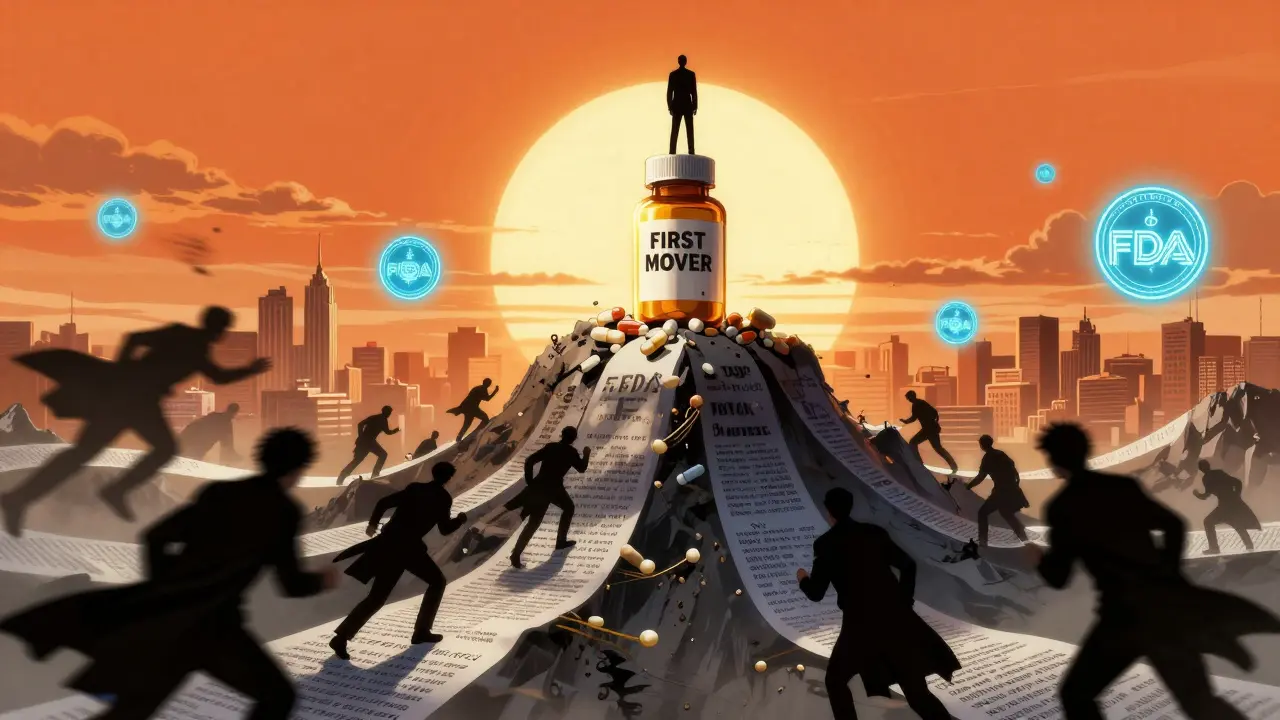
The first generic drug maker to launch after a patent expires captures up to 90% of the market - and holds onto it for years. Here's why being first matters more than price, and how companies win big.
Tag: Hatch-Waxman Act

Market exclusivity extensions let pharmaceutical companies block generic drugs for years after patents expire. Learn how NCE, orphan, and pediatric exclusivities stack to create 20+ year monopolies - and why it matters for drug prices.
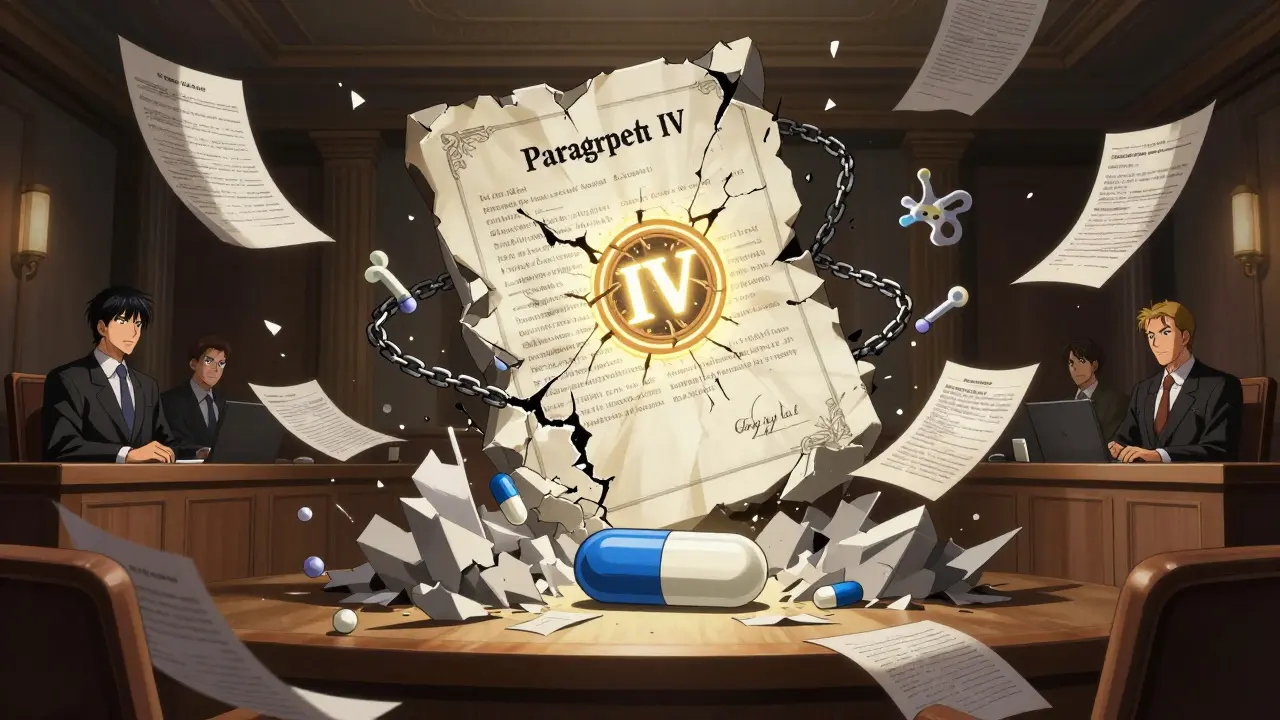
Landmark court decisions like Amgen v. Sanofi and Allergan v. Teva are reshaping how generic drugs enter the market, delaying access and raising prices. Learn how patent law affects what you pay for medicine.
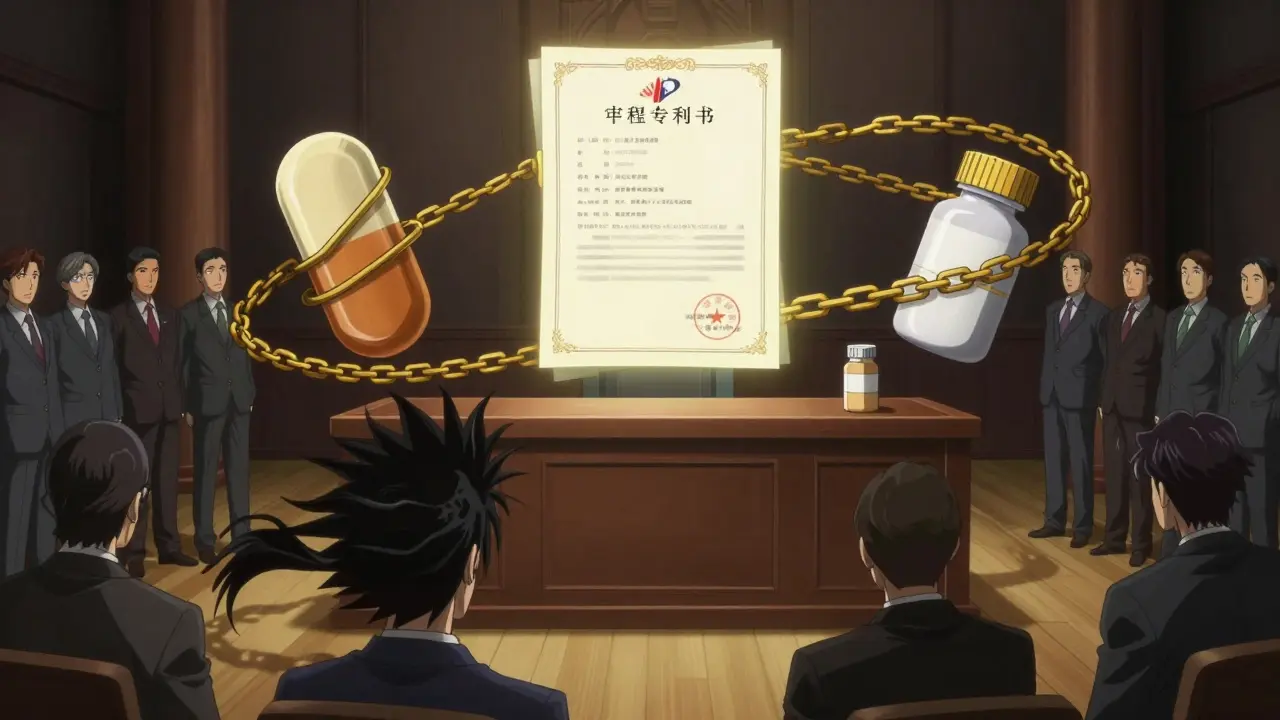
Patent law in pharmaceuticals balances innovation with access by granting exclusive rights to drug makers while enabling generics to enter after patent expiration. The Hatch-Waxman Act created this system, saving billions but facing abuse through patent thickets and pay-for-delay deals.
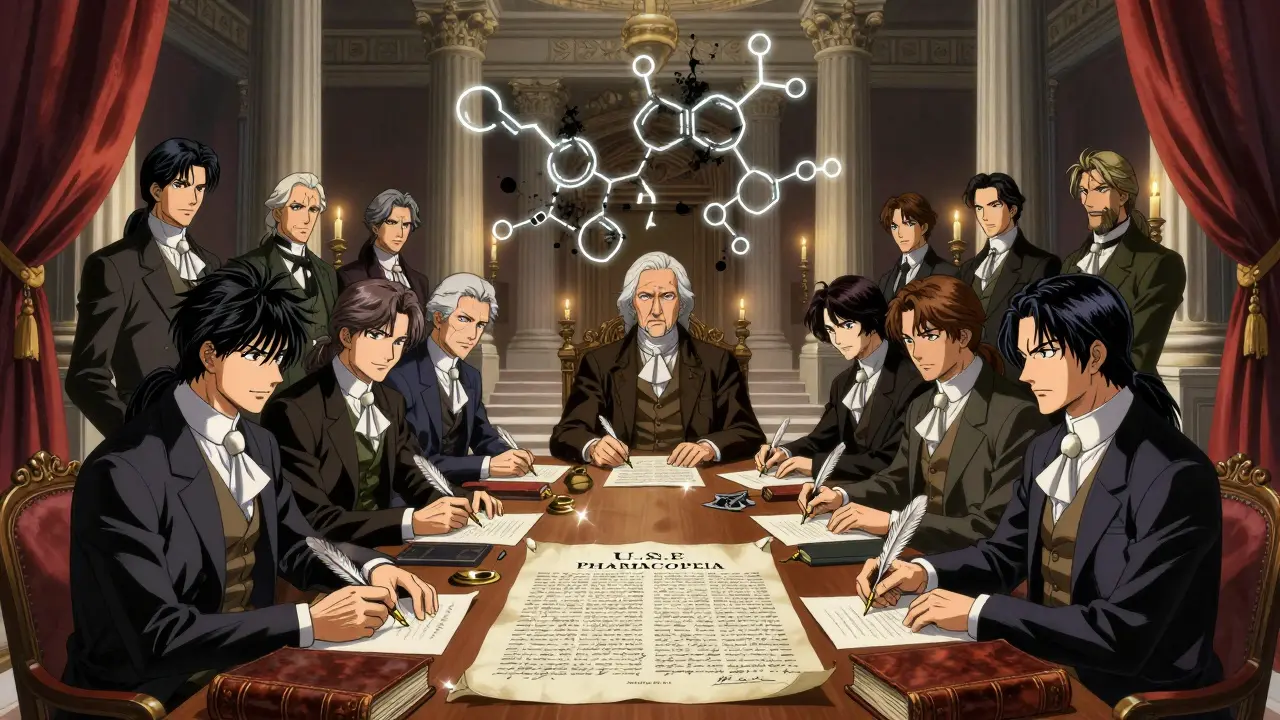
Generic drugs now make up over 90% of U.S. prescriptions, saving billions annually. Their history spans from 19th-century drug standards to the Hatch-Waxman Act and modern supply chain challenges.
Paragraph IV certifications let generic drug makers challenge brand-name patents before launch, accelerating affordable drug access. Learn how the Hatch-Waxman Act enables this system, why it saves billions, and how companies navigate legal battles over patents.