
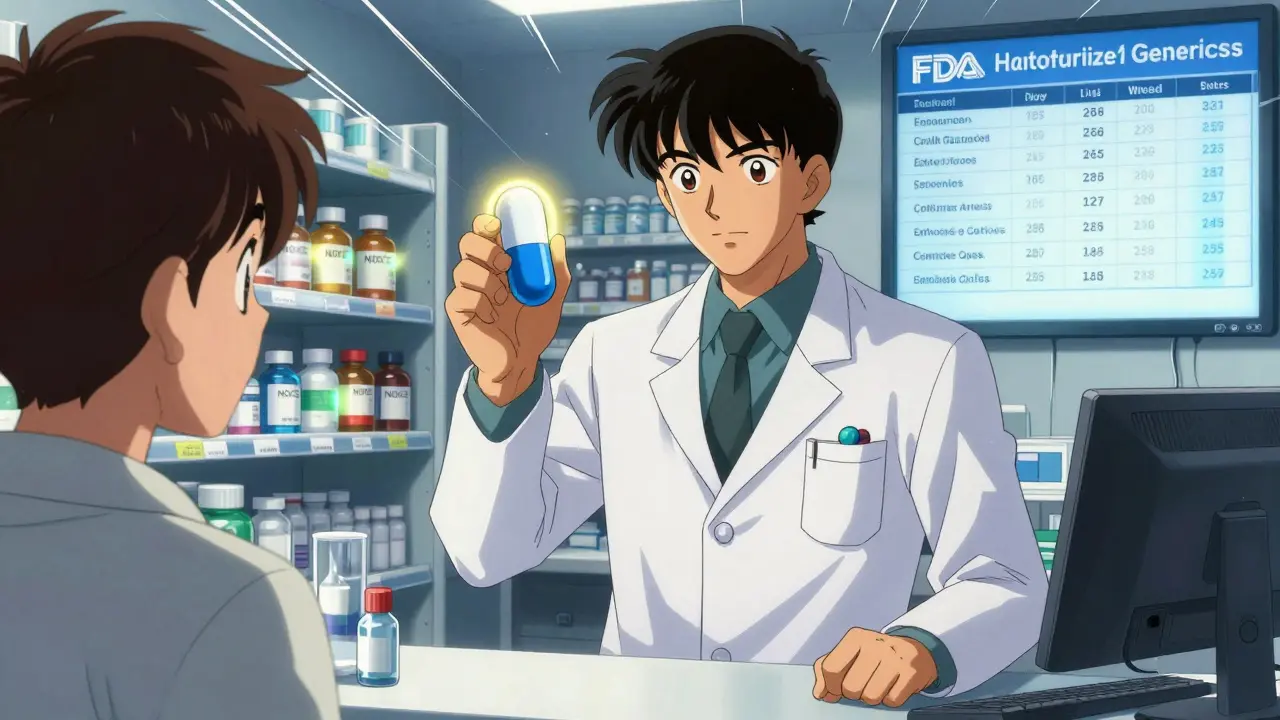
Pharmacists should recommend authorized generics when patients have allergies to inactive ingredients, take narrow therapeutic index drugs, or use modified-release formulations. These are identical to brand-name meds but cost significantly less.
Generic Drugs: What They Are, Why Prices Vary, and How to Save Money
When you hear generic drugs, lower-cost versions of brand-name medications that contain the same active ingredients and meet the same FDA standards. Also known as non-branded drugs, they make up over 90% of prescriptions filled in the U.S. But knowing they’re the same doesn’t explain why the same pill costs $3 in one pharmacy and $40 in another.
The drug names, the labels on pills that include chemical, generic, and brand versions. Also known as pharmaceutical nomenclature, they’re not just for scientists—they’re your roadmap to saving money. For example, the brand name Viagra has the generic name sildenafil. Both have the same active ingredient, same dosage, same side effects. But only one is priced like a luxury item. The real puzzle isn’t the name—it’s the pharmacy pricing, how much you pay at the counter, shaped by middlemen, insurance rules, and state-level loopholes. One state might cap what a pharmacy can charge for a 30-day supply of metformin. Another lets pharmacy benefit managers (PBMs) mark it up without transparency. That’s why a $12 bottle of lisinopril in Ohio becomes $45 in Texas—even if the pill came from the same factory.
And here’s the kicker: generic vs brand, the choice between cheaper generics and more expensive brand-name drugs isn’t always about cost. Sometimes, brand drugs work better for you—not because they’re stronger, but because of fillers, coatings, or how your body absorbs them. If your insurance denies your brand-name prescription, you can appeal. But if you’re stuck with a generic that gives you nausea or doesn’t control your blood pressure, you’re not imagining it. The FDA says they’re bioequivalent, but real people report differences. That’s why some doctors still write "do not substitute" on prescriptions.
You’ll find posts here that break down why generic drugs cost so much in some places and so little in others. You’ll learn how to read drug labels so you know exactly what’s in your bottle. You’ll see how insurance rules trick you into paying more—even when you think you’re saving. And you’ll get real tips on how to pay less, whether you’re on Medicare, have no insurance, or just want to stop overpaying for pills that should be cheap.
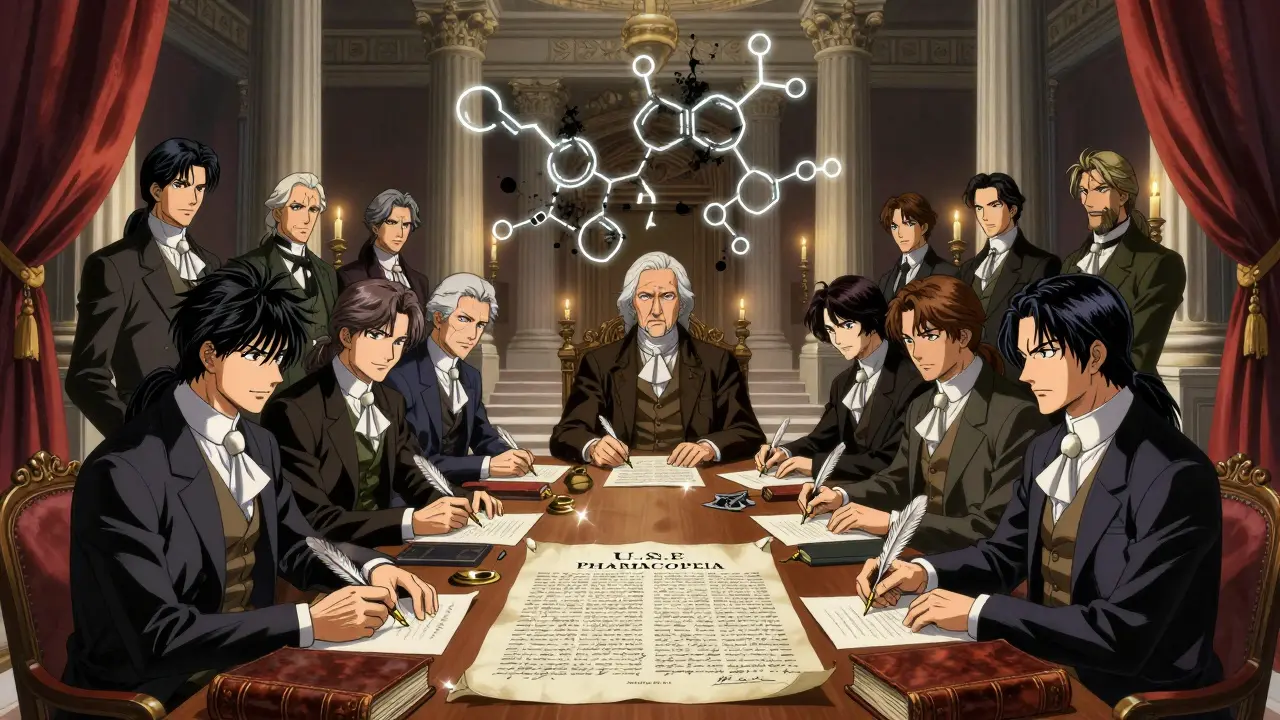
Generic drugs now make up over 90% of U.S. prescriptions, saving billions annually. Their history spans from 19th-century drug standards to the Hatch-Waxman Act and modern supply chain challenges.

Paragraph IV certifications let generic drug makers challenge brand-name patents before launch, accelerating affordable drug access. Learn how the Hatch-Waxman Act enables this system, why it saves billions, and how companies navigate legal battles over patents.
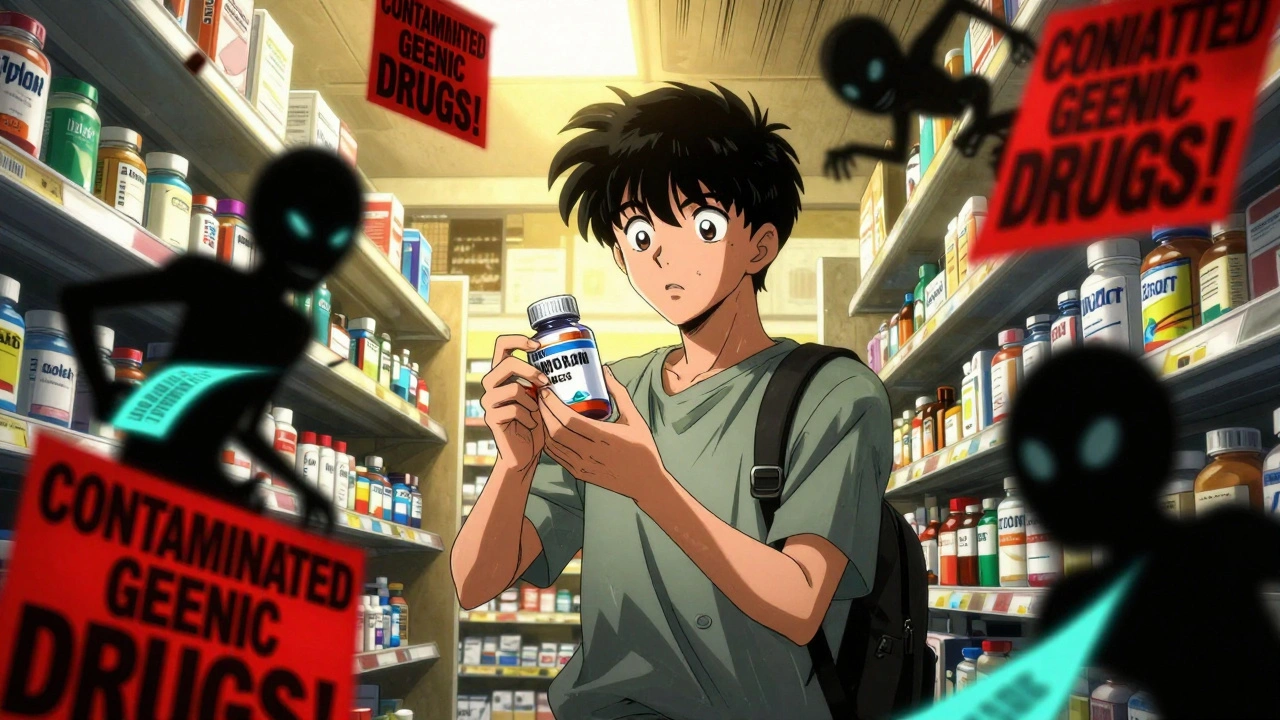
Media coverage often fuels mistrust in generic drugs despite scientific proof they're just as safe and effective as brand-name versions. Learn how headlines, naming bias, and fear-driven reporting shape patient choices-and what you can do about it.
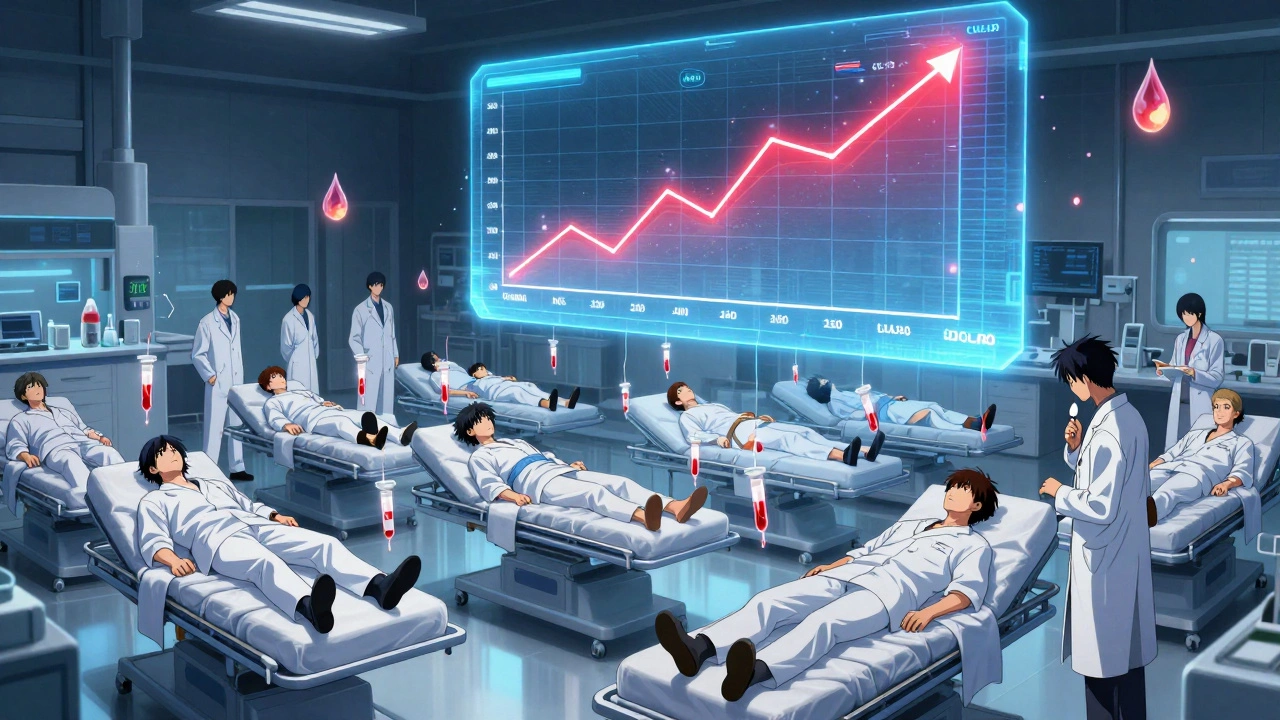
In vivo bioequivalence testing uses human subjects to measure drug absorption, while in vitro testing relies on lab methods like dissolution. Each has its place: in vitro for simple, well-understood drugs; in vivo for high-risk or complex formulations.

Generic drugs save billions annually but force brand manufacturers into a financial crisis when patents expire. Learn how they fight back, why patients still overpay, and what’s next for drug pricing.