
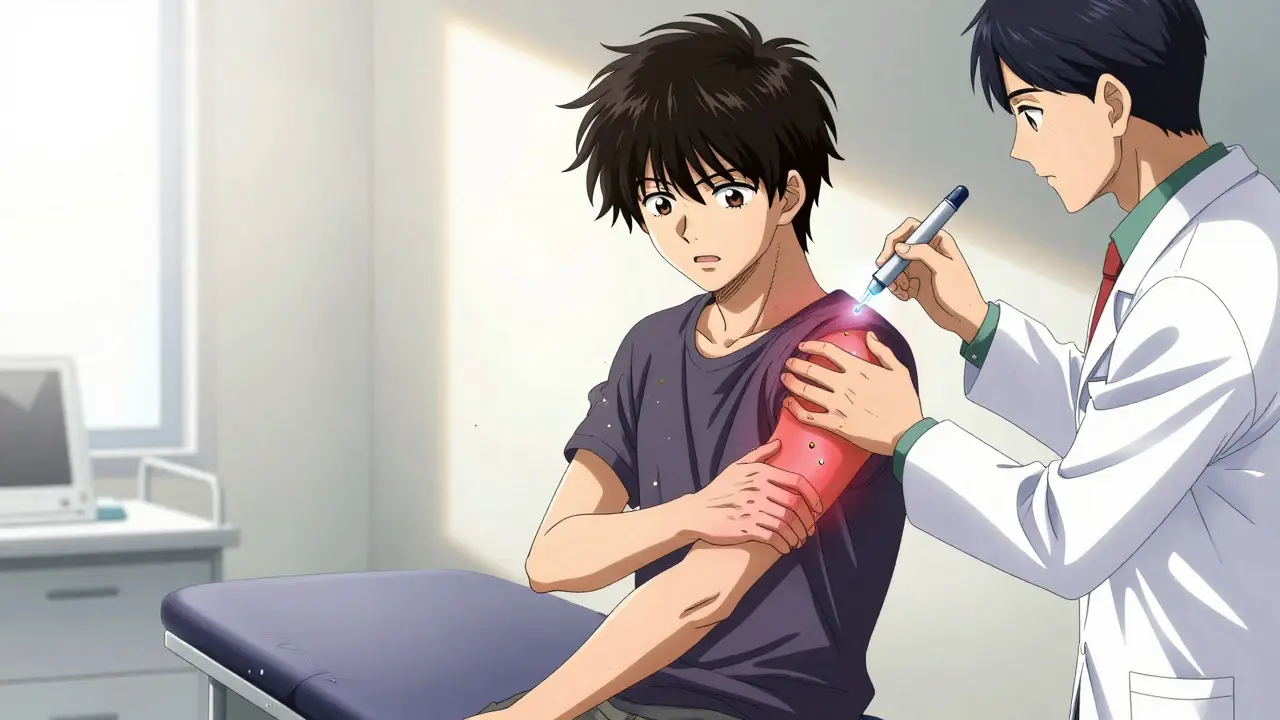
Many people think they're allergic to penicillin, but most aren't. Learn how to confirm a true drug allergy, find safe alternatives, and avoid unnecessary risks from mislabeled reactions.
Category: Medications - Page 2
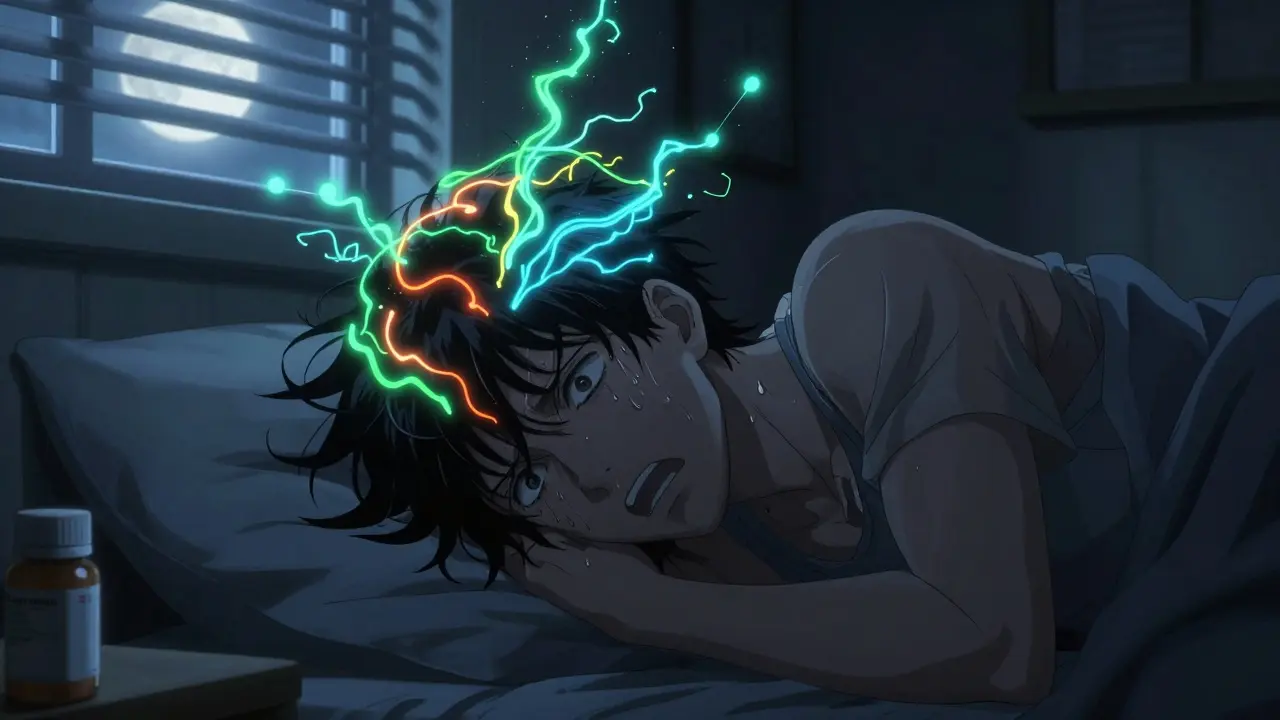
Bupropion can help with depression and smoking cessation without sexual side effects, but it carries real risks: insomnia in 19% of users, anxiety in 20-25%, and a small but dangerous seizure risk. Learn how to manage these side effects safely.

Market exclusivity extensions let pharmaceutical companies block generic drugs for years after patents expire. Learn how NCE, orphan, and pediatric exclusivities stack to create 20+ year monopolies - and why it matters for drug prices.
FDA deficiency letters delay generic drug approvals by highlighting critical gaps in submissions. Learn the top 5 reasons for these letters-and how to avoid them with better preparation, testing, and communication.
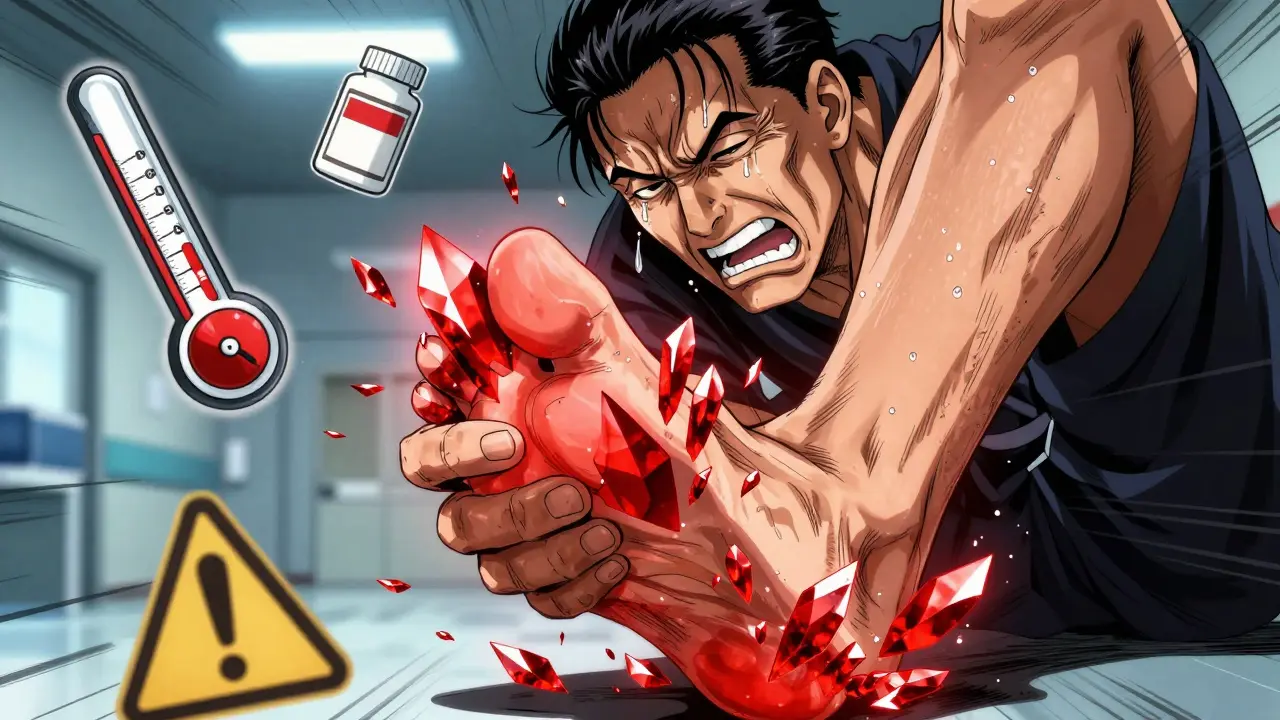
Bempedoic acid helps lower cholesterol for statin-intolerant patients but carries risks like gout, tendon rupture, and elevated liver enzymes. Know the signs, manage the risks, and ask the right questions before starting.
Many patients believe dangerous myths about medications-from OTC drugs being harmless to stopping antibiotics early. These myths lead to thousands of preventable hospital visits. Here are the facts that can save your life.
OTC switches make medications more accessible, but they also increase risks of misuse, interactions, and hidden dangers. Learn how to use over-the-counter drugs safely and avoid common mistakes that lead to serious health problems.
The first generic drug company to file a patent challenge gets 180 days of exclusive sales rights. This rule was meant to speed up affordable drugs-but loopholes let companies block competition without selling anything.
Inactive ingredients in medications-called excipients-may not be as harmless as once thought. Research shows some can affect biological targets, alter drug absorption, and trigger reactions in sensitive individuals.
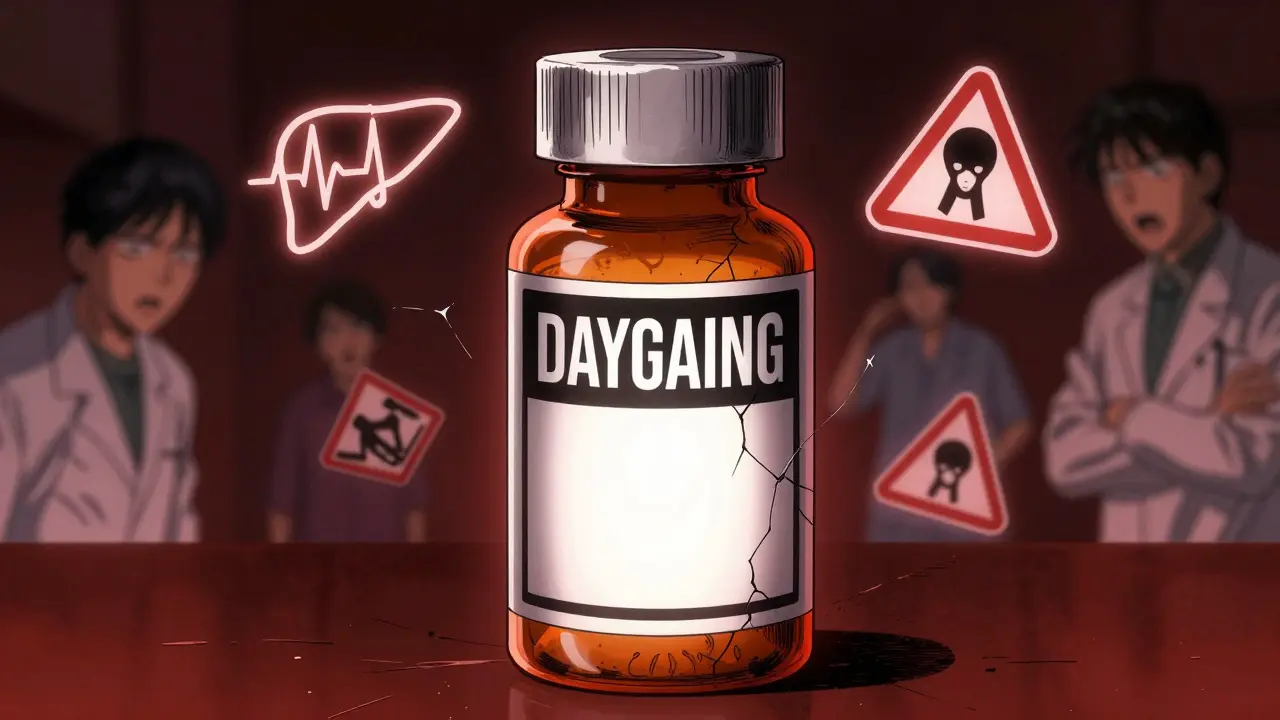
Boxed warnings, or black box warnings, are the FDA's strongest safety alerts for prescription drugs. Learn what they mean, which drugs carry them, how to respond, and what to ask your doctor to stay safe.