
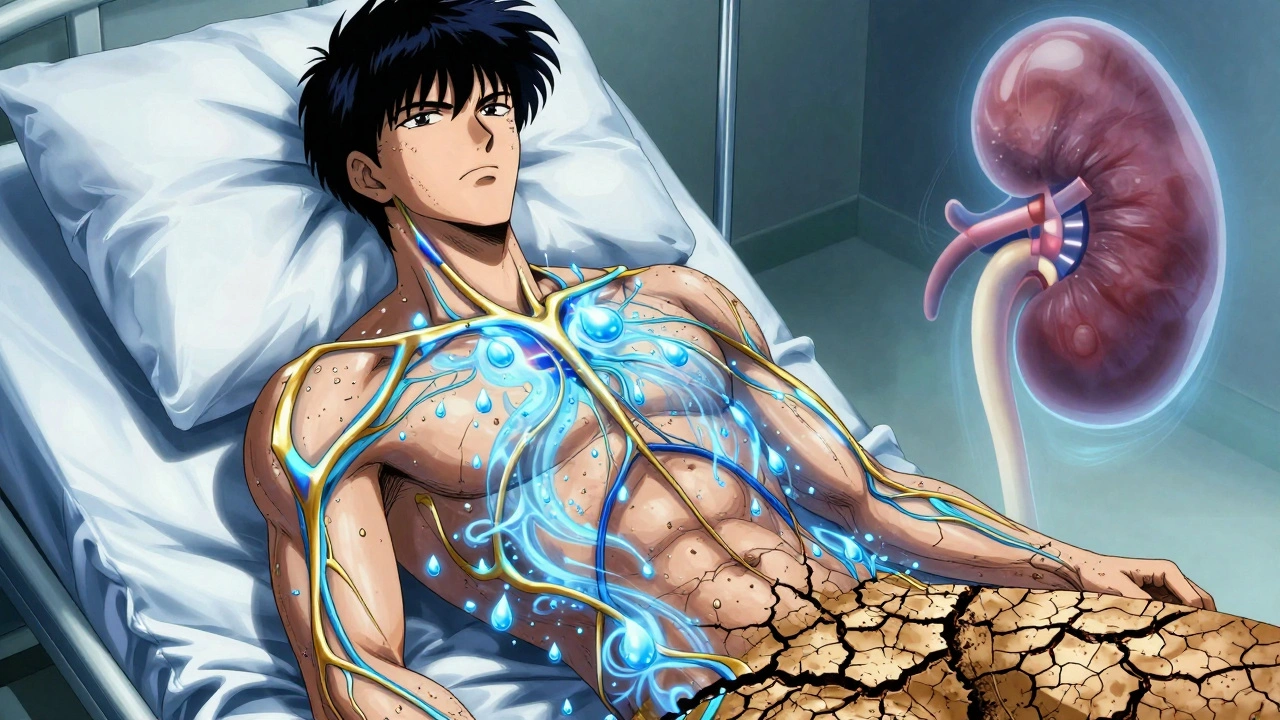
Hyponatremia and hypernatremia are common, dangerous electrolyte disorders in kidney disease. Learn how kidney failure disrupts sodium balance, why diet restrictions can backfire, and how to avoid life-threatening mistakes in treatment.
Kidney Disease: Causes, Treatments, and Medication Risks You Need to Know
When your kidney disease, a condition where the kidneys lose their ability to filter waste and excess fluids from the blood. Also known as chronic kidney disease, it often creeps up silently—many people don’t know they have it until damage is advanced. Your kidneys work 24/7 to clean your blood, control blood pressure, and keep your bones and blood healthy. When they start failing, toxins build up, fluids swell in your legs, and your body struggles to make red blood cells. It’s not just about urinating less—it’s about your whole system slowing down.
What causes it? Most often, it’s high blood pressure and a condition where the force of blood against artery walls stays too high, damaging kidney filters over time. Also known as hypertension, it’s the top driver of kidney damage. Diabetes, a metabolic disorder where the body can’t properly use or make insulin, leading to high blood sugar that scars kidney tissue. Also known as type 2 diabetes, it’s the second biggest cause. But there are other risks: long-term use of painkillers like ibuprofen, certain antibiotics, and even some heart meds. That’s why drug interactions and how different medications affect kidney function when taken together. Also known as medication toxicity, it’s a hidden danger for people with early-stage kidney disease. Grapefruit and statins? They can spike kidney stress. Even common OTC meds like acetaminophen can be risky if your kidneys are already weak.
It’s not all bad news. Early detection can slow or even stop progression. Blood tests, urine checks, and simple lifestyle changes—cutting salt, staying hydrated, avoiding smoking—make a real difference. But if things get worse, you might need dialysis, a medical procedure that filters waste from the blood when kidneys can’t. Also known as renal replacement therapy, it’s life-saving but demanding. Some people end up waiting for a transplant. The key is catching it before it gets there.
What you’ll find below are real, practical guides on how medications affect kidney health, what to avoid, and how to stay safe while managing other conditions like heart disease, diabetes, or chronic pain. You’ll learn why the same pill can be harmless for one person and dangerous for another. No fluff. Just what you need to protect your kidneys—and your future.