
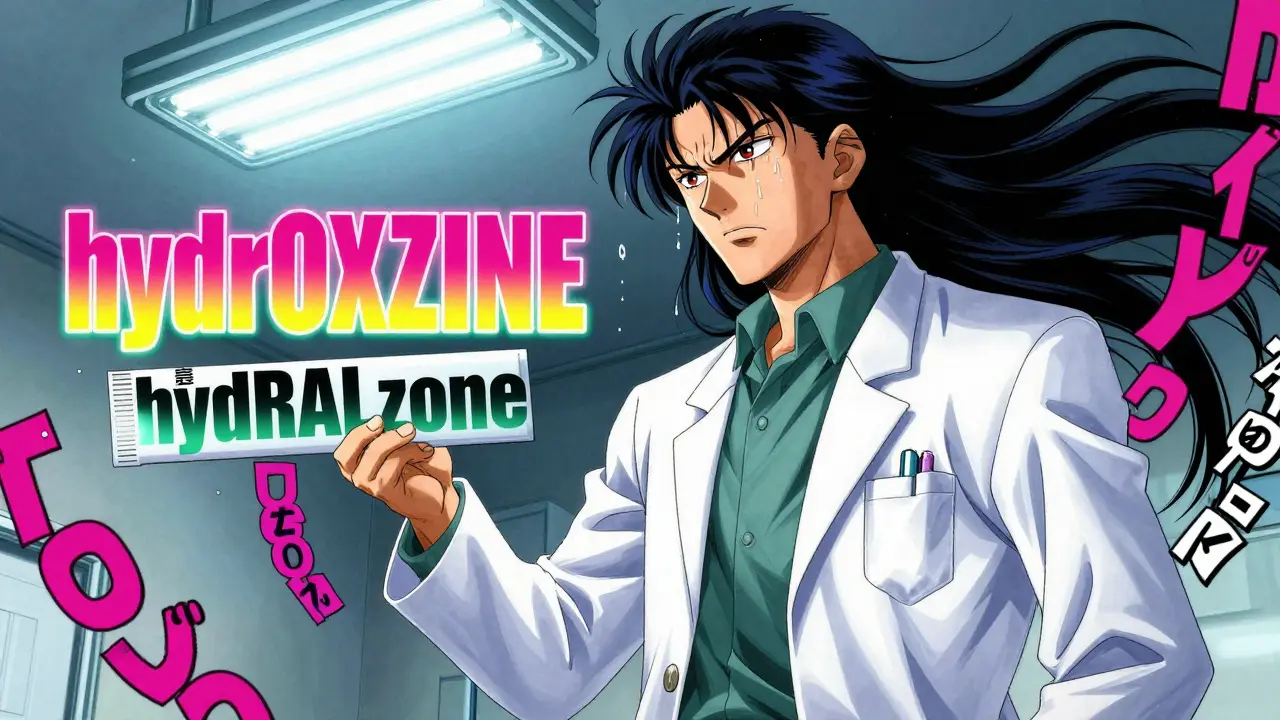
Every year, thousands of patients in the U.S. and Australia are at risk of taking the wrong medication-not because of a mistake in dosage, but because two drug names look or sound almost identical. Think hydroCODONE and hydroALAzine. Or doXEPamine and doBUTamine. These aren’t typos. They’re look-alike and sound-alike (LASA) drug names, and they’re one of the leading causes of preventable medication errors in hospitals, pharmacies, and even at home.
If you’ve ever picked up a prescription and thought, ‘Wait, is this right?’, you’re not imagining things. The problem is real, widespread, and getting worse. The Institute for Safe Medication Practices (ISMP) says LASA errors make up about 25% of all reported medication mistakes. That’s one in four. And while technology has helped, it hasn’t fixed everything. Many errors still happen because labels aren’t clear, systems don’t match up, or someone’s rushing.
What Makes Drug Names Look or Sound the Same?
Not all similar names are dangerous. But when two drugs share 60-80% of their letters-or sound nearly identical when spoken aloud-the risk spikes. For example:
- Hydralazine (for high blood pressure) vs. Hydroxyzine (for allergies)
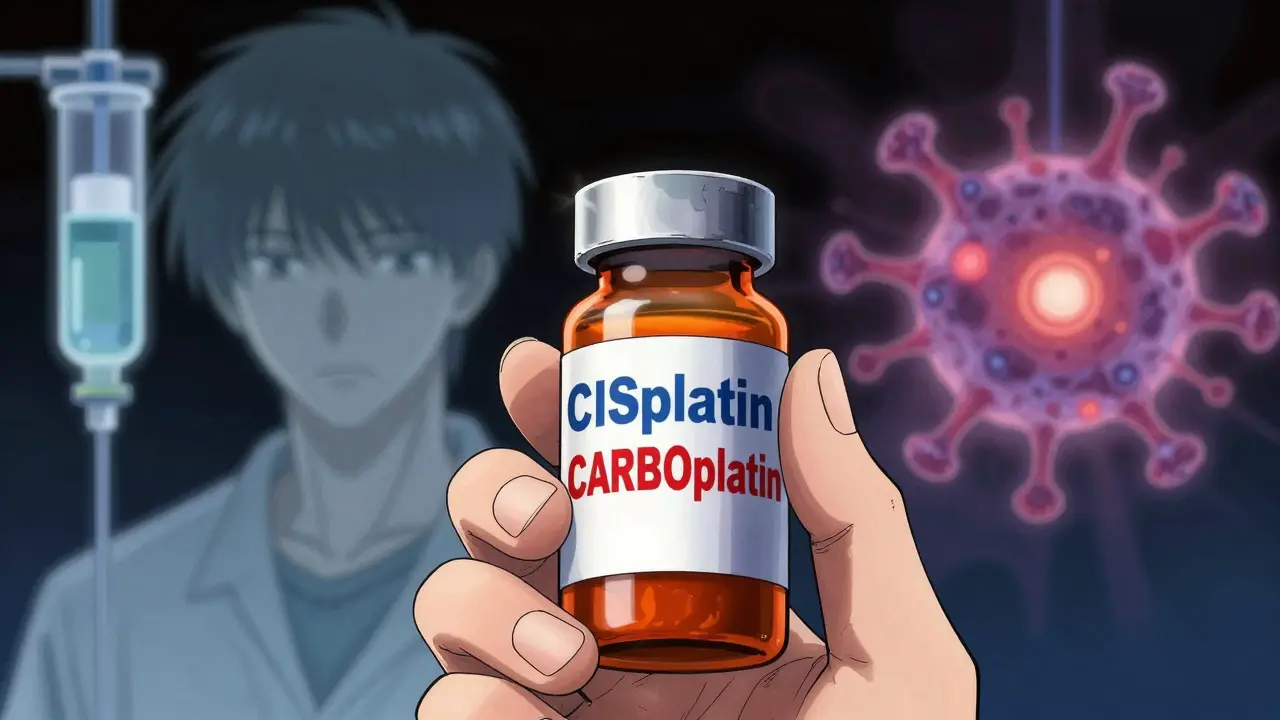
- Cisplatin (chemotherapy) vs. Carboplatin (also chemotherapy)
- Insulin glargine (Lantus) vs. Insulin glulisine (Apidra)
These aren’t just minor spelling differences. They’re different drugs with completely different uses-and sometimes, deadly consequences. A mix-up between hydroxyzine and hydralazine can cause a patient to go into shock. Mixing up insulin types can send blood sugar soaring or crashing.
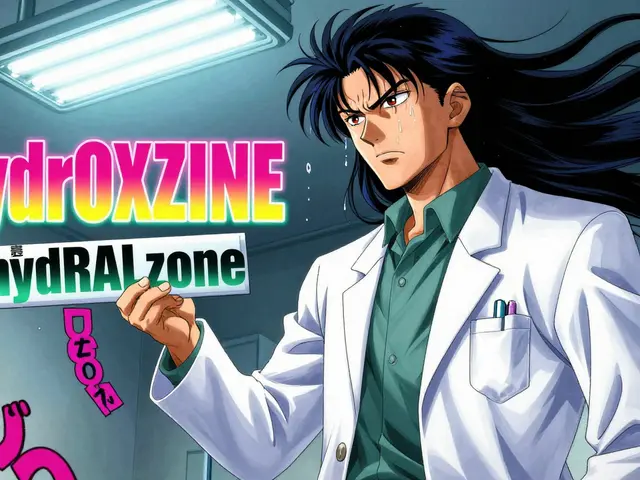
Researchers found that the most confusing pairs share the same first few letters and end similarly. That’s why systems now use tall man lettering-a method where key different letters are capitalized to make the distinction obvious. So instead of writing ‘hydroxyzine,’ it’s written as ‘hydrOXYZINE’ and ‘hydralazine’ becomes ‘hydRALazine.’
Tall Man Lettering: The Standard Visual Fix
Tall man lettering (TML) isn’t new. The FDA started pushing for it in 2001 after a string of fatal mix-ups. Today, it’s the most common tool used in electronic health records, pharmacy labels, and automated dispensing cabinets.
The FDA officially recommends TML for 35 high-risk drug pairs as of 2024, up from just 23 in 2023. These include:
- hydrOXYzine vs. hydrALAzine
- doXEPamine vs. doBUTamine
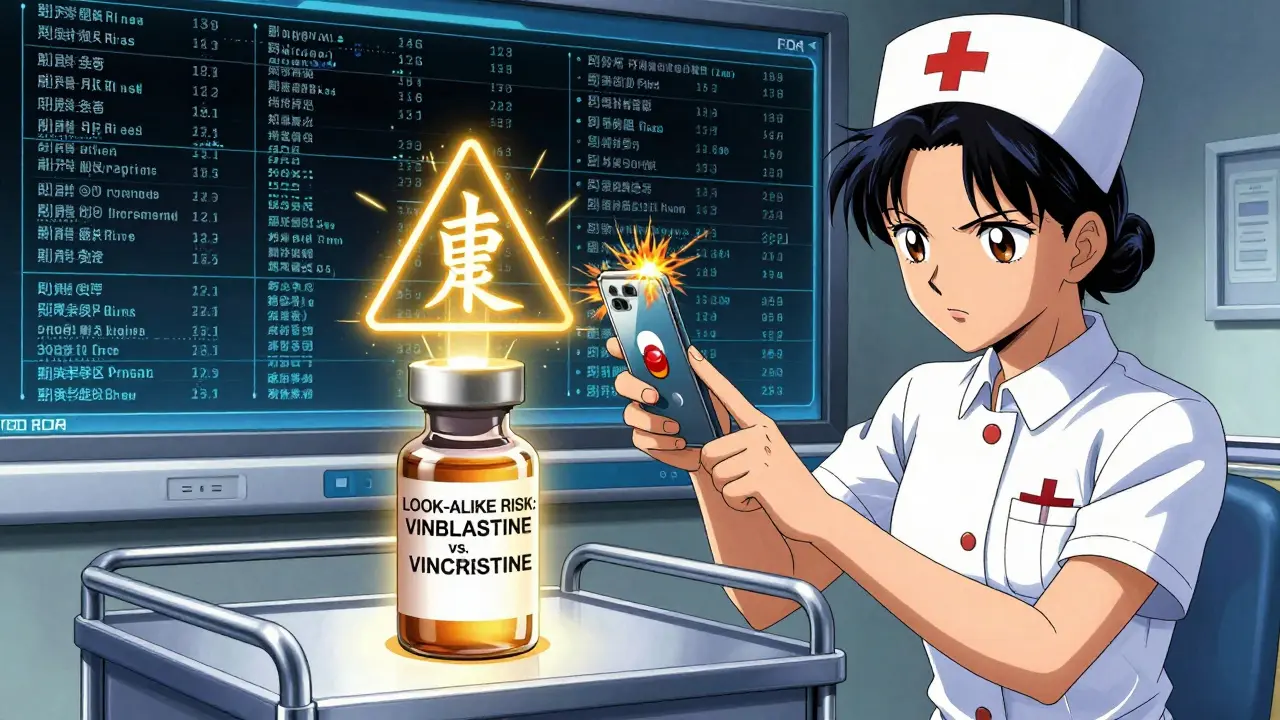
- vinBLAStine vs. vinCRIStine
- CISplatin vs. CARBOplatin
It’s not just about capitalizing random letters. The FDA and ISMP use algorithms like BI-SIM (for visual similarity) and ALINE (for sound similarity) to decide exactly which letters to uppercase. The goal is to highlight the part of the name that’s different-and make it impossible to miss.
Studies show TML reduces visual confusion by about 32%. But here’s the catch: it only works if it’s applied everywhere. If a doctor writes ‘hydroxyzine’ on a handwritten script, but the pharmacy label says ‘hydrOXYZINE,’ the nurse on the floor gets confused. That mismatch is a huge problem.
Why TML Alone Isn’t Enough
Many people think if a label has tall man letters, they’re safe. That’s a dangerous assumption.
One nurse in Melbourne told a reporter: ‘I saw ‘hydrOXYZINE’ on the EHR, but the printed label from the pharmacy had no capitals. I almost gave it to the wrong patient.’
Research from the University of California San Francisco found that when TML was used inconsistently across systems, error rates stayed high-even with the tool in place. Why? Because humans rely on patterns. If one screen shows capitals and another doesn’t, your brain defaults to what it expects.
Also, TML doesn’t help with handwritten prescriptions. If a doctor scribbles ‘hydroxyzine’ on a slip of paper, there’s no capitalization. And if the pharmacy prints it on a low-resolution label, the uppercase letters might be blurry or missing.
Even worse, some systems don’t use TML at all. Older EHRs, small clinics, and home care pharmacies often skip it due to cost or lack of training. That’s why the Joint Commission now requires hospitals to maintain a list of LASA drugs and review it every year. If they don’t, they risk losing accreditation.
What Works Better Than TML Alone
Top hospitals don’t rely on tall man letters alone. They layer in multiple safeguards:
- Color coding - Some pharmacies use red labels for insulin, blue for anticoagulants. When combined with TML, this cuts errors by 47%.
- Purpose-of-treatment info - Adding ‘for anxiety’ next to hydroxyzine or ‘for hypertension’ next to hydralazine helps staff confirm they’re grabbing the right drug. Studies show this reduces errors by 59%.
- Barcode scanning - Scanning the drug and the patient’s wristband before administration stops 89% of errors. But it costs hospitals over $150,000 to install and train staff.
- Computer alerts - EHRs can pop up a warning if you try to order ‘hydralazine’ for a patient already on ‘hydroxyzine.’ But 49% of these alerts get ignored because they’re too frequent. Smart systems now only trigger alerts for the top 35 high-risk pairs.
Johns Hopkins Hospital cut LASA errors by 67% over two years by combining TML, purpose labels, barcode scanning, and staff training. They didn’t just change labels-they changed how people work.
How to Check for Look-Alike Names Yourself
You don’t need to be a pharmacist to spot a potential mix-up. Here’s a simple 3-step check you can use every time you pick up a prescription:
- Read the full label - Don’t just glance at the first few letters. Read the entire drug name out loud. Is it spelled the way your doctor said? Does it match what’s on your prescription slip?
- Compare to the reason you’re taking it - If your doctor prescribed it for ‘anxiety,’ but the label says ‘hydralazine’ (a blood pressure drug), that’s a red flag. Always ask: ‘Why am I taking this?’
- Double-check with the pharmacist - Don’t be shy. Say: ‘I’ve heard there are similar-sounding drugs. Can you confirm this is the right one?’ Pharmacists are trained for this. They expect the question.
At the University of California San Francisco, pharmacists who spent just 2-3 extra minutes verifying high-risk drugs saw accuracy jump from 82% to 97%.
What’s Changing in 2025-2026
The fight against LASA errors is accelerating. In January 2023, the National Council for Prescription Drug Programs released Version 3.0 of its LASA Data Standard. This lets EHRs, pharmacies, and insurers share real-time warnings about confusing drug names-even across different systems.
The FDA has added 12 new drug pairs to its TML list and requires full implementation by December 2024. The ISMP is pushing for mandatory TML on all prescriptions by 2026.
Even AI is stepping in. Google Health’s Med-PaLM 2 can now predict which drug names are likely to be confused with 89% accuracy. But it’s not replacing humans-it’s helping them. The best systems now combine AI warnings with human verification.
One pilot at Mayo Clinic used smartphone cameras to scan medication vials and flag look-alike packaging. It worked 94% of the time. Imagine pointing your phone at a bottle and getting an instant alert: ‘This looks like a different drug. Confirm before use.’
Final Takeaway: Stay Alert, Stay Involved
Medication errors aren’t always the fault of the system. Sometimes, they’re the result of assumptions. ‘It looks right. It sounds right. It must be right.’ But in pharmacy, looks and sounds can be deadly.
The tools are better than ever. Tall man lettering, color codes, barcodes, and purpose labels all help. But they only work if they’re used consistently-and if you, the patient, stay involved.
Next time you get a prescription, take a second to read the label. Ask questions. Don’t assume. Your life might depend on it.
What is tall man lettering and how does it help prevent medication errors?
Tall man lettering is a technique that uses uppercase letters to highlight the parts of drug names that differ, making look-alike names easier to tell apart. For example, ‘hydrOXYZINE’ and ‘hydRALazine’ show the key differences clearly. This visual cue helps pharmacists, nurses, and doctors avoid mixing up similar-sounding drugs. Studies show it reduces visual confusion errors by about 32% when used correctly across all systems.
Are handwritten prescriptions still a risk for look-alike drug errors?
Yes. Handwritten prescriptions are one of the biggest remaining risks. Tall man lettering only works on digital or printed labels-if the doctor writes ‘hydroxyzine’ by hand, there’s no capitalization. Studies show 41% of LASA errors occur because of unclear handwriting. That’s why many hospitals now require electronic prescribing for high-risk drugs.
Which drugs are most commonly confused on prescription labels?
The FDA’s 2024 list includes 35 high-risk pairs. Top examples are: hydrOXYzine vs. hydrALAzine, doXEPamine vs. doBUTamine, vinBLAStine vs. vinCRIStine, and CISplatin vs. CARBOplatin. Insulin types like glargine and glulisine are also frequent sources of confusion. These drugs are often prescribed for very different conditions, so a mix-up can be life-threatening.
Can barcode scanning prevent all look-alike drug errors?
Barcode scanning prevents about 89% of errors when used at all critical points: stocking, dispensing, refilling automated cabinets, and before administration. But it’s not foolproof. If the barcode is damaged, the label is misprinted, or the system isn’t connected properly, it can fail. It also requires training and infrastructure. It’s one of the strongest tools-but works best when combined with other safety steps.
What should I do if I notice a drug name looks similar to another I’ve taken before?
Don’t take it. Take the label to the pharmacist and say: ‘This name looks like another medication I’ve taken. Can you confirm this is the right one?’ Pharmacists are trained to check for look-alike names and can verify the drug’s purpose, dosage, and appearance. It’s better to ask twice than to risk a mistake.

Lance Nickie
January 13, 2026 at 23:39Tall man lettering? More like tall man messing with my eyes. 🤷♂️
Damario Brown
January 14, 2026 at 15:32i seen this happen at my uncle's pharmacy. they gave him hydralazine instead of hydroxyzine and he nearly died. the label looked the same. no caps, no color, no nothing. just a typo on a printout. we sued. they didn't change shit. 😒
Priyanka Kumari
January 15, 2026 at 04:06This is such an important topic! I've trained new pharmacy techs using the 3-step check you mentioned - reading aloud, matching purpose, and double-checking. It’s simple, but it saves lives. 🙌 Small habits = big impact. Keep spreading awareness!
Clay .Haeber
January 17, 2026 at 00:24Oh wow, the FDA’s got a list now? How novel. I’m sure the $200k EHR upgrade that ‘solves’ this will be covered by my insurance. /s
Meanwhile, my grandma’s prescription still says ‘hydroxyzine’ on a 1998 printer with ink that looks like a toddler’s fingerpaint. TML doesn’t fix dumb. It just makes it look fancy.
Kimberly Mitchell
January 17, 2026 at 22:20Barcodes? AI? Color coding? This is all just corporate theater. The real problem is that nurses are overworked, pharmacists are understaffed, and doctors still write like they’re texting in 2007. No amount of capitalization fixes systemic neglect.
Randall Little
January 18, 2026 at 23:26Funny how we’re told to ‘read the label’ but the labels themselves are designed to confuse. Tall man lettering only works if every system uses it - and they don’t. One hospital’s ‘hydrOXYZINE’ is another’s ‘hydroxyzine’. Your brain doesn’t know what to trust. It’s cognitive dissonance with a prescription pad.
Milla Masliy
January 20, 2026 at 15:44I work in a rural clinic in Texas. We don’t have barcode scanners or fancy EHRs. We print labels on thermal paper that fades by noon. But we use colored sticky notes - red for insulin, green for anticoagulants. Simple. Cheap. Works. Sometimes the low-tech stuff beats the Silicon Valley hype.
Trevor Davis
January 21, 2026 at 01:46I’m a nurse. I’ve almost given the wrong insulin twice. Once because the label was blurry. Once because the EHR auto-filled the wrong one. I don’t blame the tech. I blame the system that lets it happen. We need mandatory double-checks - not just for high-risk drugs, but for *every* med. Always.
Lethabo Phalafala
January 21, 2026 at 11:33In South Africa, we don’t even have consistent digital systems. I once saw a patient given ‘CISplatin’ because the nurse thought ‘CARBOplatin’ was ‘carbo’ for carbon. No capitals. No color. No training. Just a handwritten note and a prayer. This isn’t a U.S. problem - it’s a global failure of care.
Angel Tiestos lopez
January 22, 2026 at 23:15AI can predict confusion with 89% accuracy?? 🤖🧠
But we still let humans write prescriptions by hand??
Y’all are literally using a smartphone to navigate a horse-drawn cart. We need to ban handwriting. Like, now. 🚫✍️
Avneet Singh
January 23, 2026 at 20:59The ISMP’s ‘BI-SIM’ and ‘ALINE’ algorithms? Sounds like buzzword bingo. The real issue is that pharmaceutical companies intentionally design names to be similar - it’s a marketing tactic disguised as pharmacology. They profit from the confusion. The system is rigged.
mike swinchoski
January 24, 2026 at 06:23I work in a pharmacy. We use tall man letters. But patients still ask if it's the same as the other one. Why? Because they don't read. They just take it. So we're all wasting our time.
sam abas
January 25, 2026 at 19:48Let’s be real - if you’re relying on capitalization to distinguish between life-altering drugs, you’ve already lost. The entire pharmaceutical naming system is a goddamn circus. Why do we have ‘hydroxyzine’ and ‘hydralazine’ in the first place? Why not ‘HydroAllergy’ and ‘HydroPressure’? Because Big Pharma wants you to confuse them. They know you won’t read the label. They bank on it. And now we’re supposed to be impressed that someone finally capitalized a few letters? Pathetic. This isn’t a fix - it’s damage control for a system that should’ve been redesigned 40 years ago. The real solution? Ban similar-sounding names. Period. No exceptions. No ‘but it’s too expensive’ nonsense. If a drug name can kill someone because of a vowel shift, it shouldn’t exist. And yes, I’ve read the FDA guidelines. I know they’re useless. I’ve seen the reports. I’ve held the vial that nearly killed my sister. We’re not fixing the problem. We’re just decorating the coffin.