
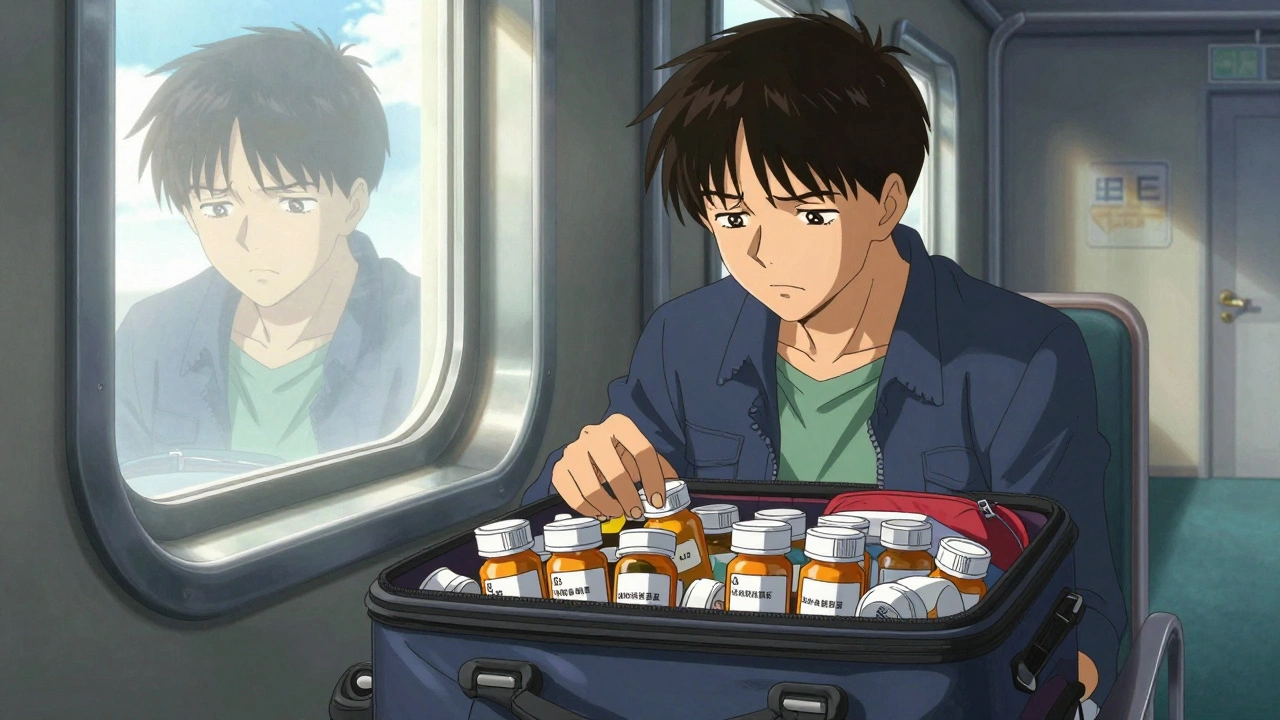
Learn how to manage prescriptions on a cruise ship-what medications are available, what you must bring yourself, and how to avoid costly or dangerous mistakes. Essential advice for travelers with chronic conditions.
Prescription on Cruise: What You Need to Know Before Traveling with Medications
When you're heading out on a prescription on cruise, a legal and safe way to carry controlled or non-controlled medications while traveling by sea. Also known as traveling with prescription drugs, it's not just about packing your pills—it's about understanding the laws that change every port you dock at. You might think if it’s legal at home, it’s legal everywhere. That’s a dangerous assumption. The U.S. allows oxycodone? Great. Thailand doesn’t. Australia bans certain antidepressants without a special permit. One wrong pill in your bag, and you could face fines, detention, or even jail time—no matter how well-intentioned you are.
That’s why international medication rules, the legal guidelines for carrying drugs across national borders matter more than ever. Cruise lines don’t enforce these rules—you do. Countries like Japan, Dubai, and the U.K. have strict lists of banned substances, including common OTC painkillers like pseudoephedrine and even some allergy meds. And it’s not just about quantity. A 30-day supply might be fine, but 90 days? That looks like intent to sell. The customs medication limits, the maximum allowable amount of a drug you can bring into a country without special paperwork vary wildly. Some countries require a doctor’s letter. Others demand a translated prescription. A few ask for pre-approval months in advance.
And don’t forget the bringing meds abroad, the practical process of carrying pharmaceuticals through multiple checkpoints during international travel. Airlines and cruise terminals often scan luggage. If your meds aren’t in original bottles with your name on them, you’re asking for trouble. Even if you’re just carrying a few extra days’ worth for a longer trip, keep your prescription handy. A PDF on your phone isn’t enough—paper copies still win. Some travelers stash meds in checked luggage. Big mistake. Lost luggage means lost meds. Keep everything in your carry-on, labeled, and organized. And if you’re on something like insulin, anticoagulants, or seizure meds? Bring twice as much as you think you’ll need. Medical emergencies on a cruise ship are rare, but when they happen, your access to meds is your lifeline.
There’s no one-size-fits-all answer here. What works on a Caribbean cruise won’t fly in Asia. What’s fine on a Mediterranean route could get you arrested in the Middle East. The good news? You don’t need to guess. The posts below give you real, updated rules from 2025, exact country-by-country limits, and stories from people who got caught—and how they got out. You’ll find out which common prescriptions are banned where, how to get a doctor’s letter that actually works, and what to do if your meds get seized. No theory. No fluff. Just what you need to pack safely and sail without stress.