
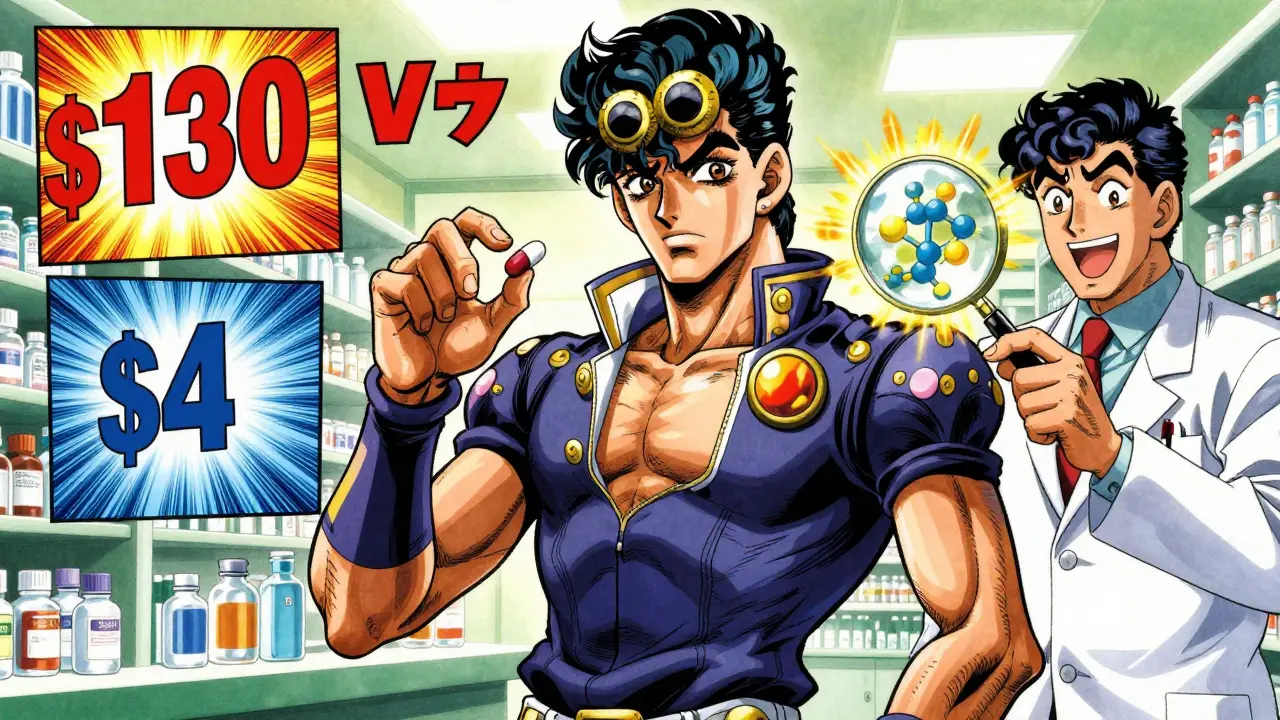
Switching to generic medications saves up to 85% on prescription costs without sacrificing safety or effectiveness. Learn why generics are just as good - and how to make the switch.
Prescription Costs: What You Pay and How to Lower It
When you walk out of the pharmacy with a new prescription, the price tag can feel like a punch in the gut. Prescription costs, the amount you pay out-of-pocket for medications prescribed by a doctor. Also known as drug pricing, they’re not just about the pill itself—they’re tied to insurance rules, patent laws, and how pharmacies negotiate with manufacturers. You’re not alone if you’ve stared at a $300 bill for a 30-day supply of something your doctor says you need. The real question isn’t just why it’s expensive—it’s what you can actually do about it.
Brand-name drugs, medications sold under a specific company’s trademark, often with no generic version available yet are the main drivers of high prescription costs. Take a drug like Dapoxetine or Avanafil—when they’re new, the maker has a monopoly. That means they can set prices high, and insurers often won’t cover them unless you’ve tried cheaper options first. But here’s the catch: generic alternatives, medications with the same active ingredient as brand-name drugs but sold under their chemical name can cost 80% less. Yet many patients never ask for them. Why? Because they assume generics are weaker, or their doctor didn’t mention them. The truth? Most generics work just as well. And if your insurance denies coverage for the brand-name version, you’re not stuck—you can appeal. Insurance denial, when your health plan refuses to pay for a prescribed medication happens more often than you think, especially for newer or expensive drugs. But there’s a process. You can get your doctor to write a letter, submit forms, and sometimes win the appeal. It takes time, but it works.
Prescription costs aren’t just about the drug. They’re about timing, access, and knowing your rights. If you’re on a long-term medication like levothyroxine or spironolactone, small savings add up fast. Some people use mail-order pharmacies. Others split pills (with doctor approval). A few even switch countries for cheaper meds—yes, it’s legal in some cases. The posts below show real stories: how people got their insurance to cover Avana after a denial, how others saved hundreds on Alli by switching to a natural alternative, and why some skipped the brand-name drug entirely and used a cheaper SSRI instead. You don’t have to accept the first price you’re given. There’s always a way to push back, ask questions, and find a better deal.

Generic copays don't count toward your health insurance deductible-but they do count toward your out-of-pocket maximum. Understand how this works to avoid surprise bills and make smarter care decisions.