
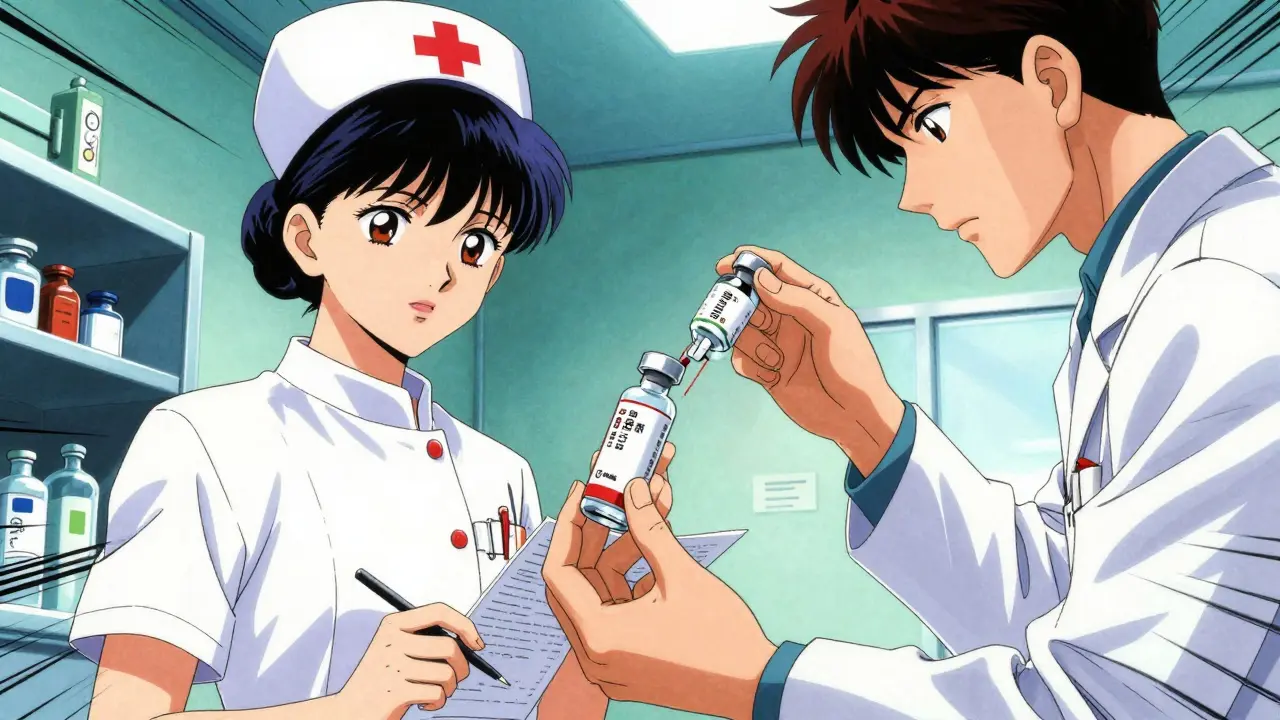
Every year, medication errors cause harm to millions of patients worldwide. Healthcare workers make 1-3 errors per day on average, and 1 in 100 causes serious harm. When dose changes happen, miscommunication between providers is a top reason for these mistakes. Proper medication dose verification is the first line of defense against dangerous errors. Medication Dose Verification is a systematic process to confirm the accuracy of medication dosages before administration. This process is critical because medication errors are the fourth leading cause of death in the US.
Why Verification Matters
A 2020 study of 129,234 medication administrations showed that double-checked doses had error rates of 2.12 per 1,000 compared to 2.98 per 1,000 for single-checked ones. That’s a 28.9% reduction in errors just by adding verification steps. The Joint Commission reports miscommunication during dose changes causes 65% of medication error sentinel events. For high-alert medications like insulin or heparin, a single mistake can lead to overdose, organ failure, or death. Verification isn’t just paperwork-it’s lifesaving work.
Step-by-Step Verification Process
The Institute for Safe Medication Practices (ISMP) recommends a 3-step verification process for dose changes:
- Independent Double Check requires two qualified staff to verify the "5 rights" (right patient, drug, dose, route, time) separately without discussing their findings. This takes 2-3 minutes per dose and catches errors like wrong-vial mix-ups.
- Cross-reference patient-specific factors like renal function, weight, or lab values (e.g., INR for warfarin). For pediatric doses, calculations must be precise to 0.1mg/kg. This step adds 1-2 minutes but prevents dosing errors based on patient condition.
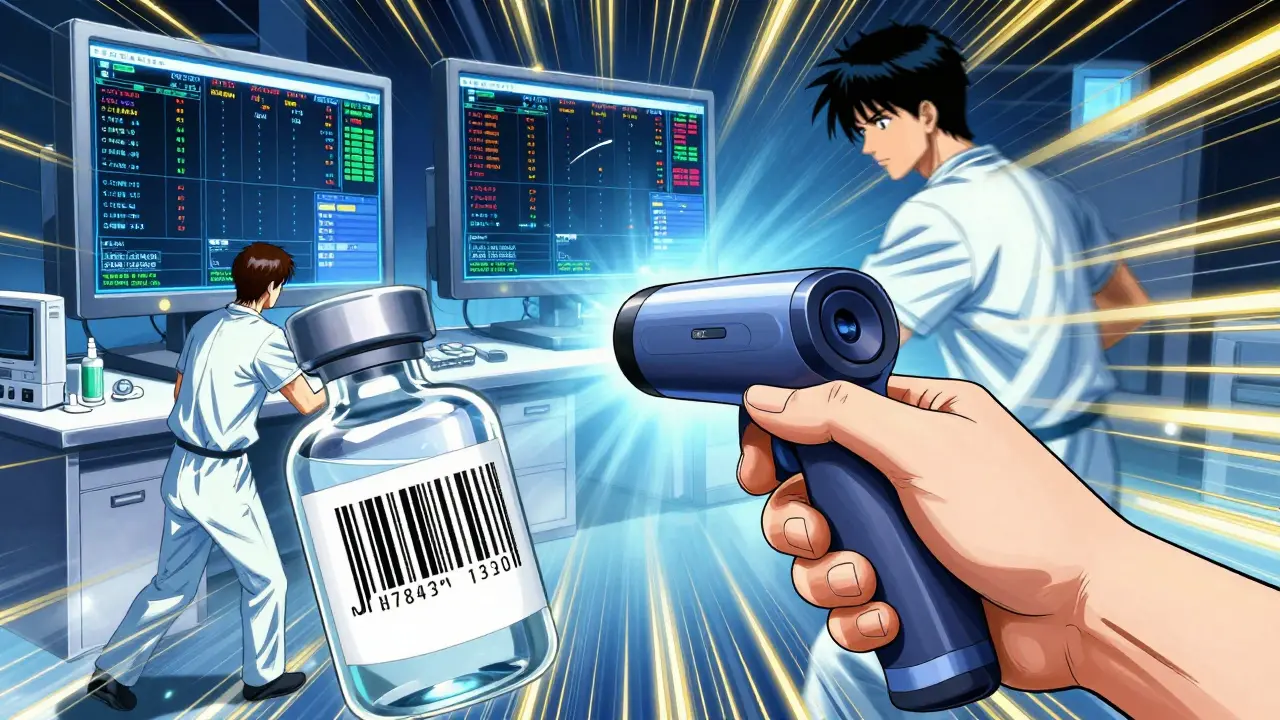
- Final verification at bedside with barcode scanning ensures the right drug and dose match the patient’s record. This takes 30-60 seconds and integrates with electronic health records (EHRs).
Choosing the Right Verification Method
Not all verification methods work the same. Here’s how they compare:
| Method | Best For | Error Prevention Rate | Time Required | Limitations |
|---|---|---|---|---|
| Barcode Medication Administration (BCMA) | Drug, patient, and dose checks | 86% of potential errors prevented | 30-60 seconds per dose | Fails to detect wrong-patient errors |
| Independent Double Check | Infusion pump errors and high-alert meds | 100% detection of wrong-vial errors | 2-3 minutes per dose | Compliance drops to 45% during peak workload |
| SBAR Communication | Handoffs and dose change discussions | 41% reduction in miscommunication errors | 1-2 minutes per handoff | Requires structured training |
For high-alert medications like opioids or chemotherapy drugs, the American Society of Health-System Pharmacists (ASHP) recommends combining BCMA with independent double checks. This approach catches 95% of errors, according to 2021 studies.
Clear Communication Strategies
Miscommunication during dose changes often happens during shift handoffs or when prescriptions are unclear. SBAR Communication (Situation-Background-Assessment-Recommendation) is a structured tool that reduces errors by 41%. Here’s how it works:
- Situation: "I’m calling about Mr. Smith’s insulin dose. His blood sugar is 250 mg/dL this morning."
- Background: "He was prescribed 10 units of insulin at 8 AM, but his last dose was 5 units. He has kidney disease."
- Assessment: "His creatinine is 1.8 mg/dL, and his insulin dose needs adjustment."
- Recommendation: "I recommend reducing to 7 units. Can you confirm?"
Documentation is equally important. Electronic Health Records (EHRs) must include time of verification, verifier credentials, and patient-specific factors like renal function. Incomplete documentation contributes to 29% of verification failures, per AHRQ data.
Common Pitfalls and How to Avoid Them
Even with protocols in place, mistakes happen. Here are the top issues:
- Alert fatigue: Nurses ignore 85% of BCMA alerts during busy shifts. Fix this by customizing alerts to only trigger for high-risk scenarios.
- Skipping steps during rush hours: 73% of nurses skip verification due to time pressure. Build "safety time" into shifts-Johns Hopkins Hospital reduced errors by 37% by adding 15 minutes per shift for verification.
- Pediatric dosing errors: Weight-based calculations must be precise to 0.1mg/kg. Always double-check calculations with a second person for children.
- Handwritten orders: "10U" for insulin can mean 10 units or 1.0 unit. Always write "10 units" or "1.0 unit" clearly. Use electronic prescribing where possible.
Real-World Example
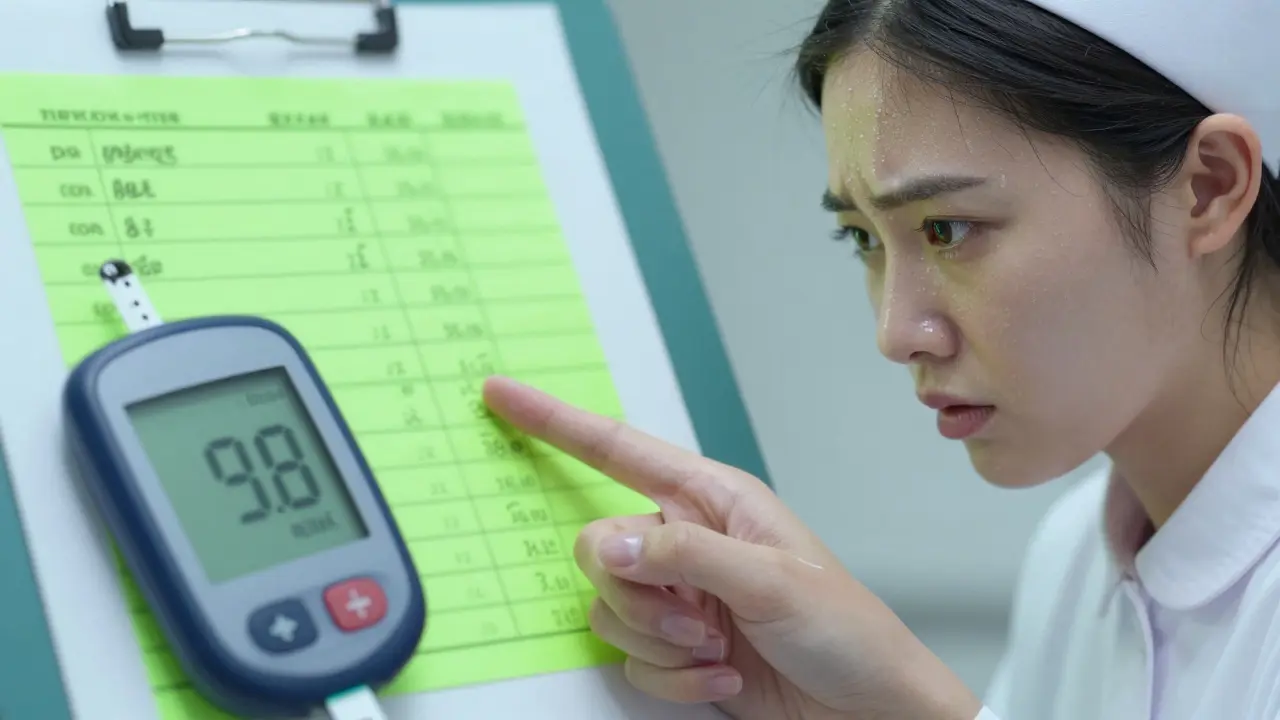
A nurse at a Florida hospital almost gave 10 units of insulin instead of 1 unit because the doctor wrote "10U" without a decimal. The double-check caught it-she verified the order against the patient’s blood sugar trend and noticed the inconsistency. Another case involved a pharmacist who spotted a 10-fold dosing error when a barcode system failed to flag it. The concentration was correct, but the dose was wrong. Human verification was essential here.
Frequently Asked Questions
What’s the difference between independent double checks and barcode scanning?
Independent double checks require two healthcare workers to verify the dose separately without discussing their findings. They’re especially effective for detecting infusion pump errors and wrong-vial mix-ups. Barcode scanning (BCMA) automatically checks the drug, dose, and patient against electronic records. While BCMA prevents 86% of errors, it can’t catch all issues like wrong-patient errors. Using both methods together provides the best safety net.
When should I use a double check for dose changes?
Use independent double checks for high-alert medications like insulin, heparin, and opioids. Also apply them for pediatric doses, narrow therapeutic index drugs (e.g., warfarin), and any dose change exceeding 25% of the usual amount. The ISMP recommends focusing double checks on highest-risk scenarios to avoid "complacency" from overuse.
How does SBAR communication reduce errors?
SBAR structures handoffs into clear sections: Situation, Background, Assessment, Recommendation. This prevents vague or incomplete information. A 2020 study showed it reduced miscommunication-related errors by 41% during dose change handoffs. Nurses who used SBAR reported feeling more confident about their decisions, and doctors received clearer requests for clarification.
What’s the biggest mistake in dose verification?
Skipping the patient-specific factors step. For example, giving a standard dose to a patient with kidney failure without adjusting for reduced clearance. Always check lab values like creatinine or INR before finalizing dose changes. This simple step prevents 30% of overdose errors in high-risk patients.
How can I improve compliance with verification protocols?
Integrate verification into workflow, not as an extra step. For example, use smart infusion pumps that auto-calculate doses based on weight and lab values. Train staff with simulations-89% adherence improves when training includes hands-on practice. Also, create a culture where staff feel safe speaking up about unclear orders without fear of blame.

Savannah Edwards
February 7, 2026 at 10:56I've been a nurse for 15 years and I can't stress enough how crucial proper dose verification is.
I remember a case where a new intern almost gave a patient 10 times the insulin dose because the prescription said '10U' without a decimal.
If it wasn't for the double-check, that would've been a disaster.
It's not just about following protocols-it's about seeing the human behind the chart.
Every time I verify a dose, I take a second to think about the person who'll be taking it.
Are they a young kid with asthma? An elderly person on multiple meds?
It's easy to get caught up in the rush, but taking that extra minute could save a life.
I've seen colleagues skip steps during busy shifts, and it's scary.
We need to build systems that support us, like smart pumps that auto-calculate, but also a culture where speaking up is encouraged.
Medication errors aren't just statistics-they're real people.
I've had patients who almost died from a simple dose mix-up.
It's heartbreaking.
The key is to never assume, always verify, and advocate for your patients.
Hospitals should invest in training that emphasizes empathy alongside procedure.
Because at the end of the day, we're all here to help people get better.
Mayank Dobhal
February 7, 2026 at 19:10Double-checks save lives. Period.
Marcus Jackson
February 9, 2026 at 06:19BCMA prevents 86% errors but misses wrong-patient. Always pair with independent double-check for high-risk meds. The data's clear.
Natasha Bhala
February 10, 2026 at 20:16i'm so glad we're talking about this. small steps matter. keep doing good work
Gouris Patnaik
February 11, 2026 at 08:15In India, we have better protocols. Why do US hospitals still have such high error rates? Maybe because of lazy staff. We need stricter regulations.
Jesse Lord
February 11, 2026 at 13:06I've seen how important clear communication is during handoffs. SBAR really helps. We should all use it more
AMIT JINDAL
February 12, 2026 at 09:08Ah, the beauty of modern medicine! 🌟 But let me tell you, in my experience, the real issue is lack of proper education. Without proper training, even the best systems fail. Remember, knowledge is power! 💡 Always double-check and never assume. The stakes are too high for complacency.
Catherine Wybourne
February 13, 2026 at 14:21Oh sure, let's just add more steps to the process. Because who has time for that? /s Not really, but seriously, structured communication like SBAR is a game-changer. It's not rocket science.
Eric Knobelspiesse
February 14, 2026 at 23:25the data shows that double checks reduce errors but compliance is low. why? because people are lazy. we need to fire the ones who skip steps. simple as that
Heather Burrows
February 16, 2026 at 23:03I don't know why we even have to do all this. It's not like anyone actually follows them. Just do your job properly.
Ritu Singh
February 17, 2026 at 13:54It is imperative that healthcare professionals recognize the gravity of medication errors. A systematic approach to verification, incorporating both technological and human elements, is essential. We must prioritize patient safety above all else.
Mark Harris
February 18, 2026 at 10:29Let's get after it! Small changes make big differences. Double-check every time, and keep your team accountable. We can do this!
Ashley Hutchins
February 20, 2026 at 08:28Why do we even have to do all this? Just follow the damn rules. People need to take responsibility