
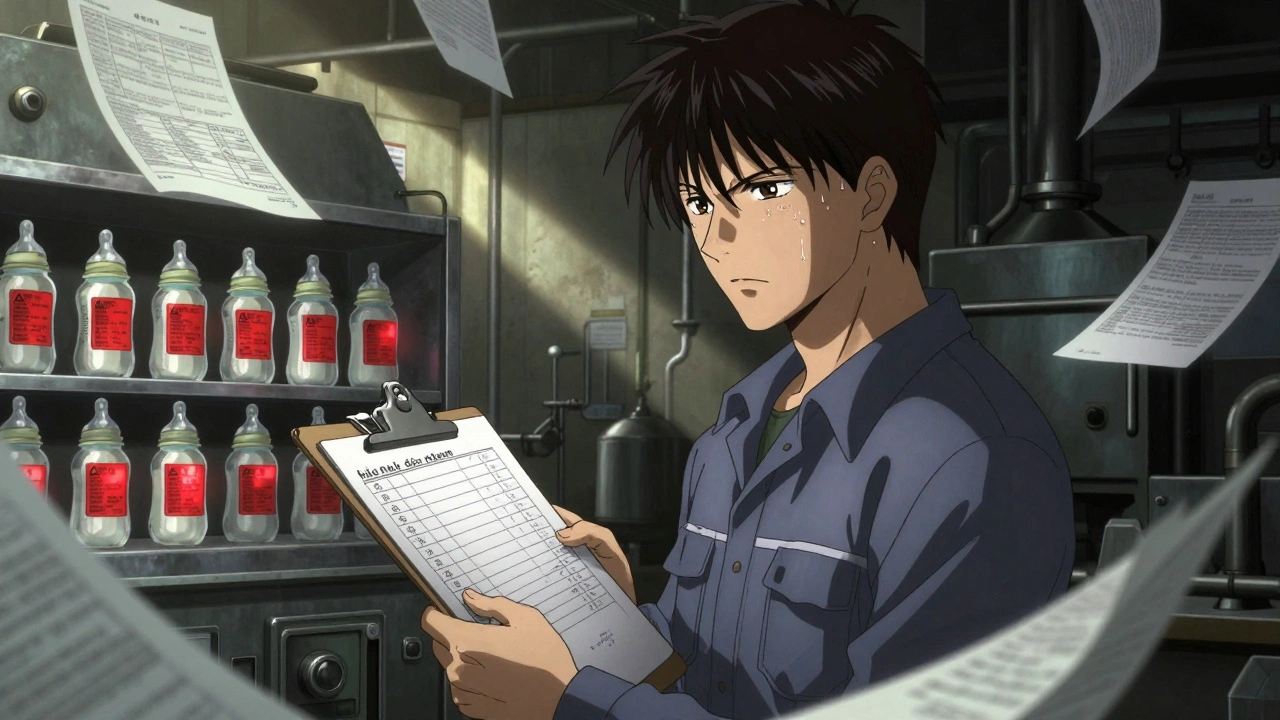
Learn how whistleblower protections work when reporting manufacturing quality issues. Know your rights, deadlines, and how to avoid retaliation while keeping products safe.
OSHA Whistleblower Protections: What You Need to Know About Reporting Unsafe Drug Practices
When someone in a pharmacy, manufacturing plant, or clinic speaks up about dangerous drug practices—like fake labels, wrong dosages, or unsafe storage—they’re protected by OSHA whistleblower, a legal safeguard under the Occupational Safety and Health Act that protects employees who report violations of federal safety laws. Also known as workplace safety whistleblower, it’s not just about reporting accidents; it covers illegal drug handling, falsified records, and even pressure to skip safety steps to meet production quotas. These protections exist because lives depend on it. A single mislabeled vial, a contaminated batch, or a pharmacist forced to dispense expired meds can kill. And if you’re the one who notices it, the law says you can’t be fired, demoted, or punished for speaking up.
Many people think whistleblowing means going public with a scandal. But most OSHA whistleblower cases start with an internal report—telling your supervisor, HR, or compliance officer. If they ignore you or retaliate, you can file a formal complaint with OSHA within 30 days. The FDA MedWatch, the federal system for reporting adverse drug events and safety concerns is another route, especially for issues tied to drug quality or labeling. You don’t have to choose one or the other. Reporting to OSHA protects your job; reporting to MedWatch helps fix the system. Both matter.
Pharmaceutical workers are often caught between pressure to meet targets and the duty to keep patients safe. That’s why OSHA whistleblower rules are so critical. They apply to everyone—from lab techs mixing generics to warehouse staff handling controlled substances. If you’ve seen someone being forced to skip quality checks, if you’ve been told to ignore expired inventory, or if you’ve been threatened for asking about safety protocols—you’re not overreacting. You’re doing the right thing. And the law is on your side.
The posts below show how drug safety isn’t just about pills—it’s about systems, people, and the courage to speak up. You’ll find guides on how to report bad drug practices, what counts as retaliation, how pharmacies handle safety violations, and why whistleblowers are essential to keeping medications safe. These aren’t abstract rules. They’re real protections for real people who see something wrong and refuse to look away.