
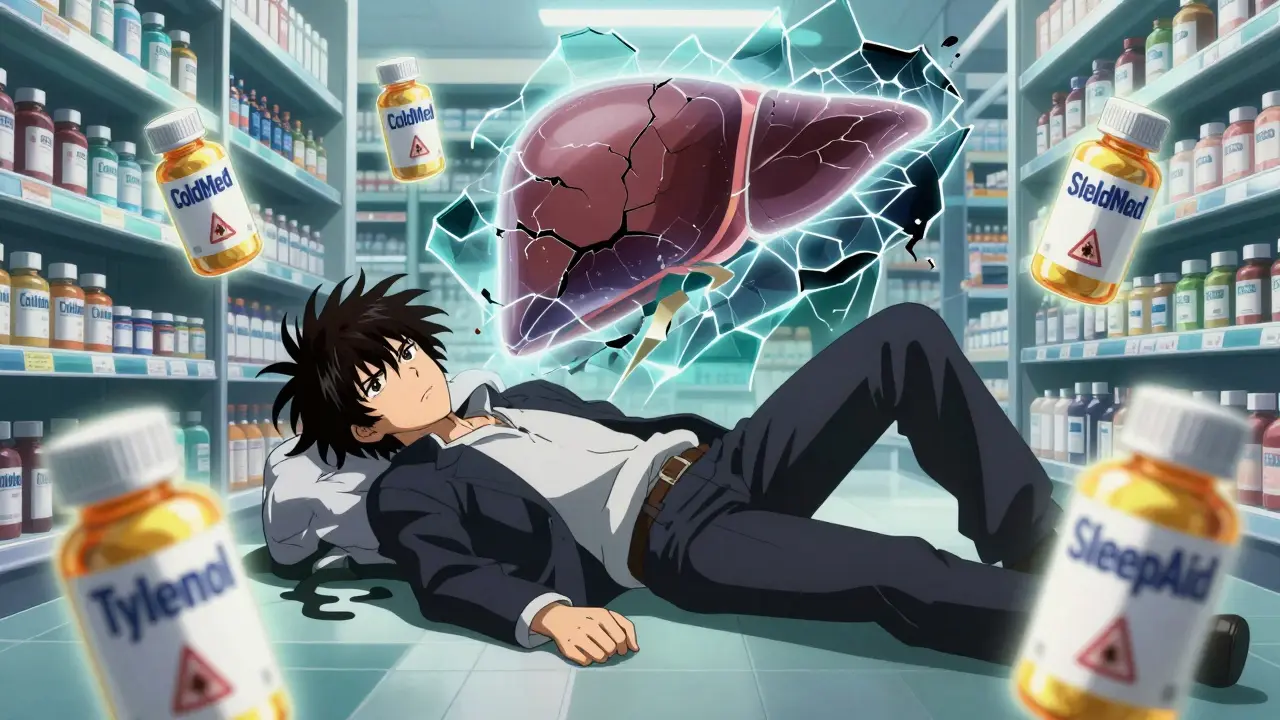
Many patients believe dangerous myths about medications-from OTC drugs being harmless to stopping antibiotics early. These myths lead to thousands of preventable hospital visits. Here are the facts that can save your life.
Medication Safety: Protect Yourself from Harmful Side Effects and Errors
When you take a pill, injection, or inhaler, you trust it will help—not hurt. But medication safety, the practice of using drugs correctly to avoid harm. Also known as safe drug use, it’s not just about following labels—it’s about knowing what to watch for, when to speak up, and how to spot hidden risks. Every year, hundreds of thousands of people end up in the hospital because of mistakes with their medicines. Some of these aren’t accidents—they’re preventable.
One big piece of medication safety, the practice of using drugs correctly to avoid harm. Also known as safe drug use, it’s not just about following labels—it’s about knowing what to watch for, when to speak up, and how to spot hidden risks. is understanding adverse drug events, harmful reactions caused by medications, whether from side effects, interactions, or dosing errors. Also known as drug side effects, these can range from mild rashes to life-threatening bleeding or organ damage.. You might think only doctors need to report them, but your report to systems like FDA MedWatch helps uncover patterns that protect others. A rash from a blood thinner like apixaban? A strange dizziness after starting a new diabetes pill? Those aren’t just "bad luck." They’re signals. And when enough people report them, the FDA can act.
Then there’s the hidden cost: drug interactions, when two or more medications, foods, or supplements change how a drug works in your body. Also known as medication conflicts, these can turn a safe treatment into a danger zone.. Think insulin and steroids spiking your blood sugar, or a common antifungal making your blood thinner too strong. These aren’t rare. They’re common—and often missed because no one asked the right questions. Even something as simple as your OTC cold medicine can interfere with your heart pill or antidepressant.
And it’s not just about what’s in the bottle. prescription errors, mistakes in writing, filling, or taking a prescription that lead to harm. Also known as medication mistakes, these happen in pharmacies, clinics, and homes every day.. A wrong dose. A confusing label. A child given adult cough syrup. These aren’t just statistics—they’re real stories. Parents need to know why OTC cold meds are risky for kids under six. Moms need to know they don’t have to pump and dump every time they take a pill. People with chronic pain need to understand that constipation from opioids isn’t normal—it’s treatable with PAMORAs.
Medication safety isn’t about being scared of medicine. It’s about being smart with it. It’s asking: "Does this interact with what else I’m taking?" "What side effects should I call my doctor about?" "Is this really the best option for me?" It’s knowing your out-of-pocket maximum so you don’t skip doses because of cost. It’s learning how to use your inhaler right so the medicine actually reaches your lungs. It’s understanding that generics don’t always count toward your deductible—but they do count toward your limit.
Below, you’ll find real, practical guides that cut through the noise. From how to report a bad reaction to the FDA, to why your arthritis meds might be hurting your kidneys, to what actually works for kids with colds—this isn’t theory. It’s what people are using right now to stay safe. You don’t need a medical degree to protect yourself. You just need the right information. And you’re about to get it.
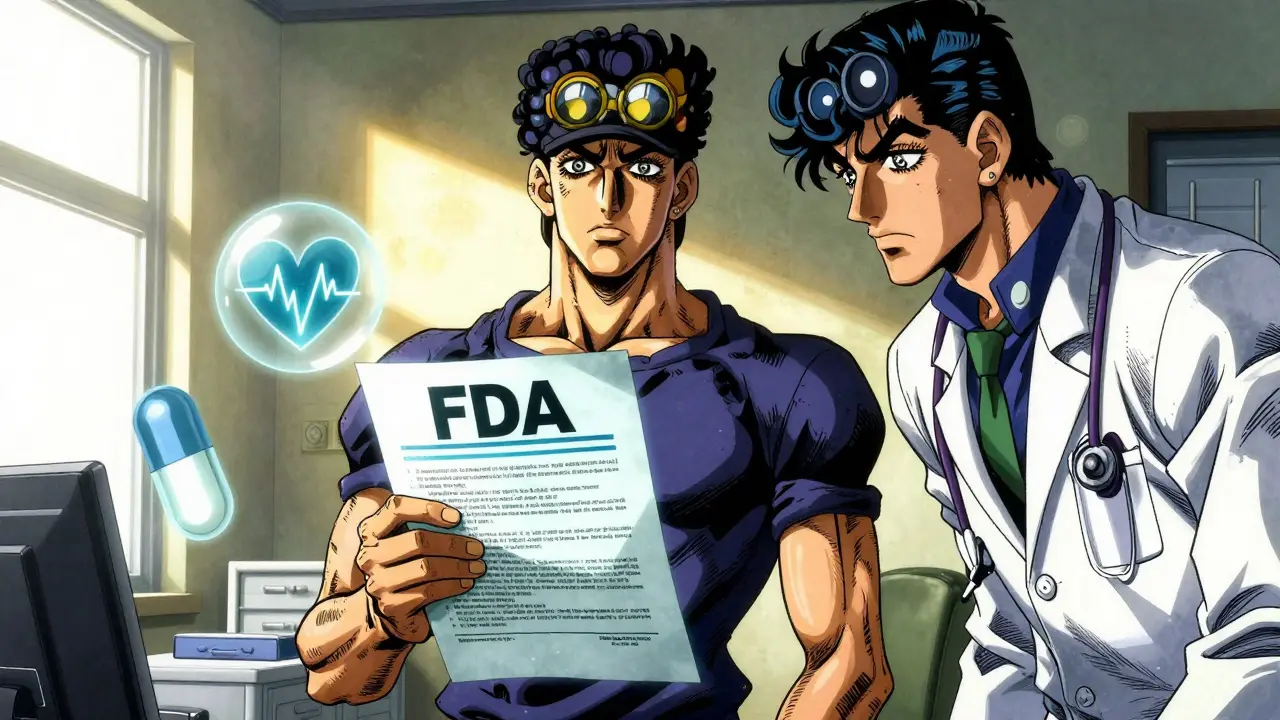
Learn how to calmly and effectively discuss FDA drug safety alerts with your doctor - without panic or confusion. Get the right questions to ask, what to bring to your appointment, and how to avoid common mistakes.

Learn how to report adverse drug reactions to the FDA using MedWatch. Step-by-step guide for patients, caregivers, and healthcare providers on submitting effective reports to improve medication safety.
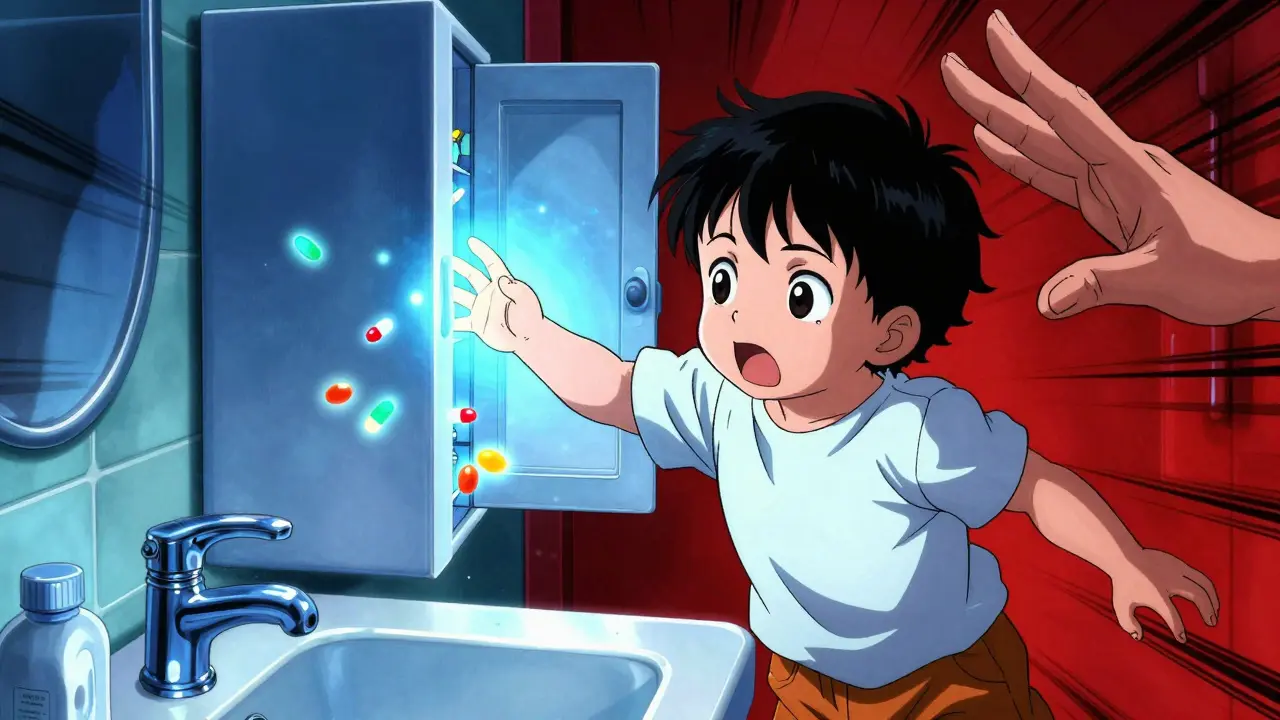
Every year, 60,000 children under five are rushed to the ER after swallowing medicine. Learn the real safety practices that work-beyond child-resistant caps-to protect your kids from accidental poisoning.
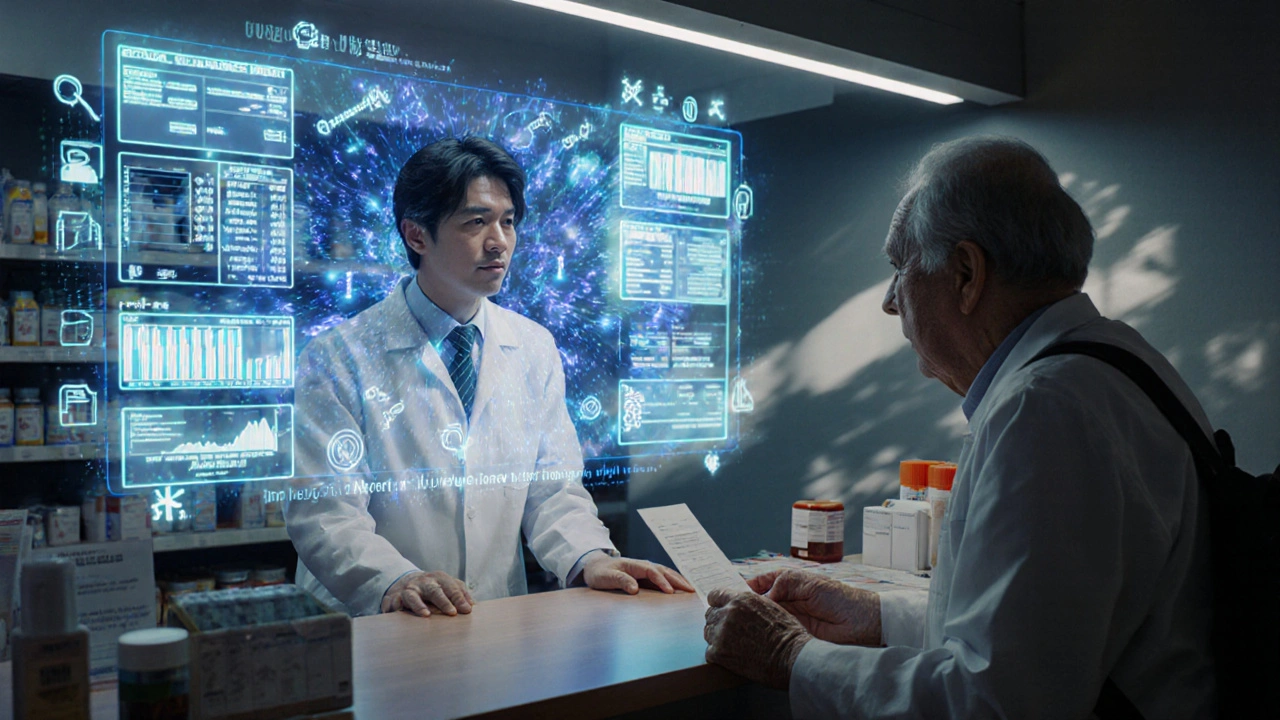
EHR integration connects pharmacies and providers to improve prescription safety, reduce errors, and cut hospital readmissions. Learn how it works, why most pharmacies still lack it, and what’s changing in 2025.