
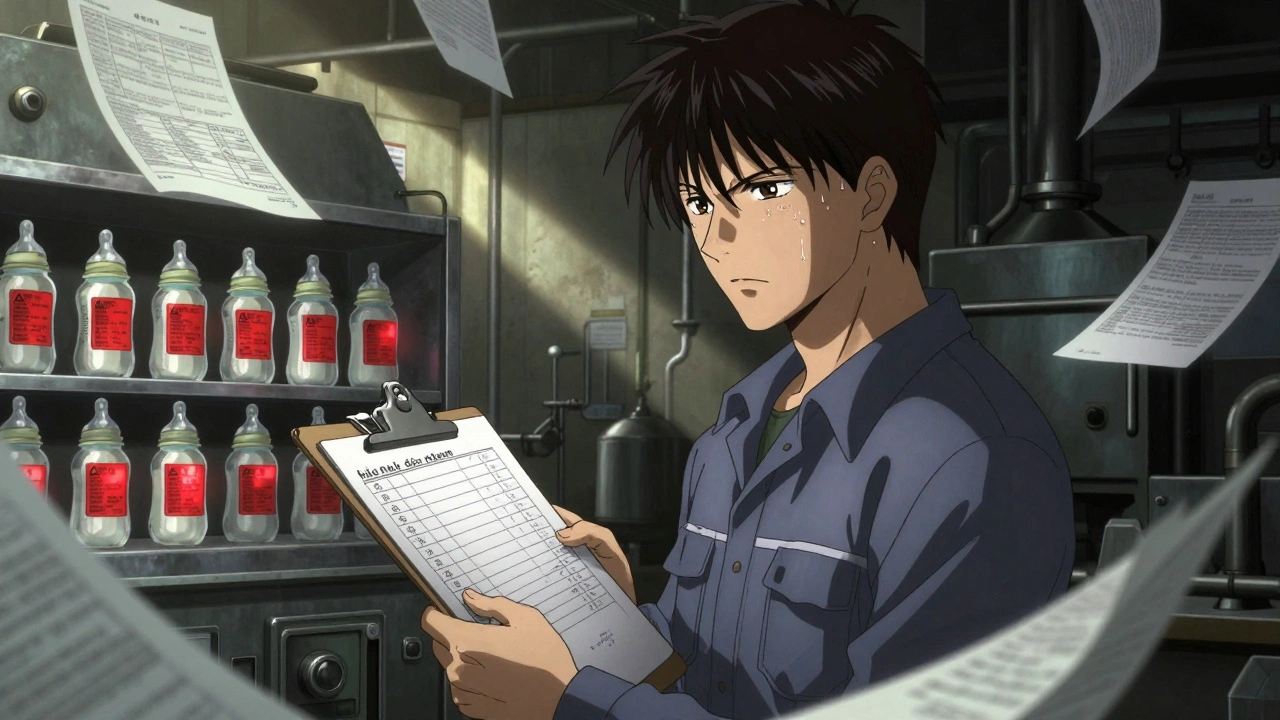
Learn how whistleblower protections work when reporting manufacturing quality issues. Know your rights, deadlines, and how to avoid retaliation while keeping products safe.
Manufacturing Quality in Pharmaceuticals: Standards, Training, and Why It Matters
When you take a pill, you expect it to work the same way every time. That consistency? It doesn’t happen by accident. Manufacturing quality, the system of controls, procedures, and training that ensures every batch of medicine meets strict safety and effectiveness standards. Also known as cGMP—current Good Manufacturing Practices—it’s the invisible guardrail between a life-saving drug and a dangerous mistake. This isn’t just about clean rooms and gloves. It’s about people trained to catch tiny errors before they reach your medicine cabinet.
Every step in drug production—from mixing ingredients to sealing bottles—has to follow rules set by agencies like the FDA. These rules aren’t suggestions. They’re enforced with inspections, audits, and penalties. If a company cuts corners on manufacturing staff training, the formal education and certification required for workers handling pharmaceutical production, even a small mistake can lead to wrong dosages, contamination, or inactive pills. That’s why certifications like CPT and Six Sigma aren’t just buzzwords—they’re non-negotiable. A technician who doesn’t know how to calibrate a mixer correctly might produce 10,000 bottles of medicine that won’t help you. And you’d never know until it’s too late.
cGMP, the global standard for pharmaceutical manufacturing that ensures products are consistently produced and controlled according to quality standards covers everything: how materials are stored, how equipment is cleaned, how records are kept. It’s why two pills from the same bottle should have identical strength. It’s why a batch of insulin can’t be released unless every single test passes. And it’s why your pharmacist can trust the generic version just as much as the brand name—because both had to pass the same quality bar.
Manufacturing quality also connects to how you report problems. If a pill makes you sick, that’s not just bad luck—it could be a sign of a breakdown in quality control. Reporting it to FDA MedWatch, the system used by patients and providers to report adverse drug events and manufacturing issues helps fix problems before more people are affected. The same attention to detail that keeps your medicine safe also helps track when something goes wrong.
What you’ll find in these posts isn’t theory. It’s real-world insight. You’ll read about how staff training impacts product safety, why two identical drugs can cost wildly different prices, and how even small errors in labeling or mixing can have serious consequences. These articles show you how quality isn’t just a department—it’s every person, every machine, every step in the chain that gets your medicine from the lab to your hand. And if you’ve ever wondered why your prescription works, or why a generic is safe, this is where the answer begins.