
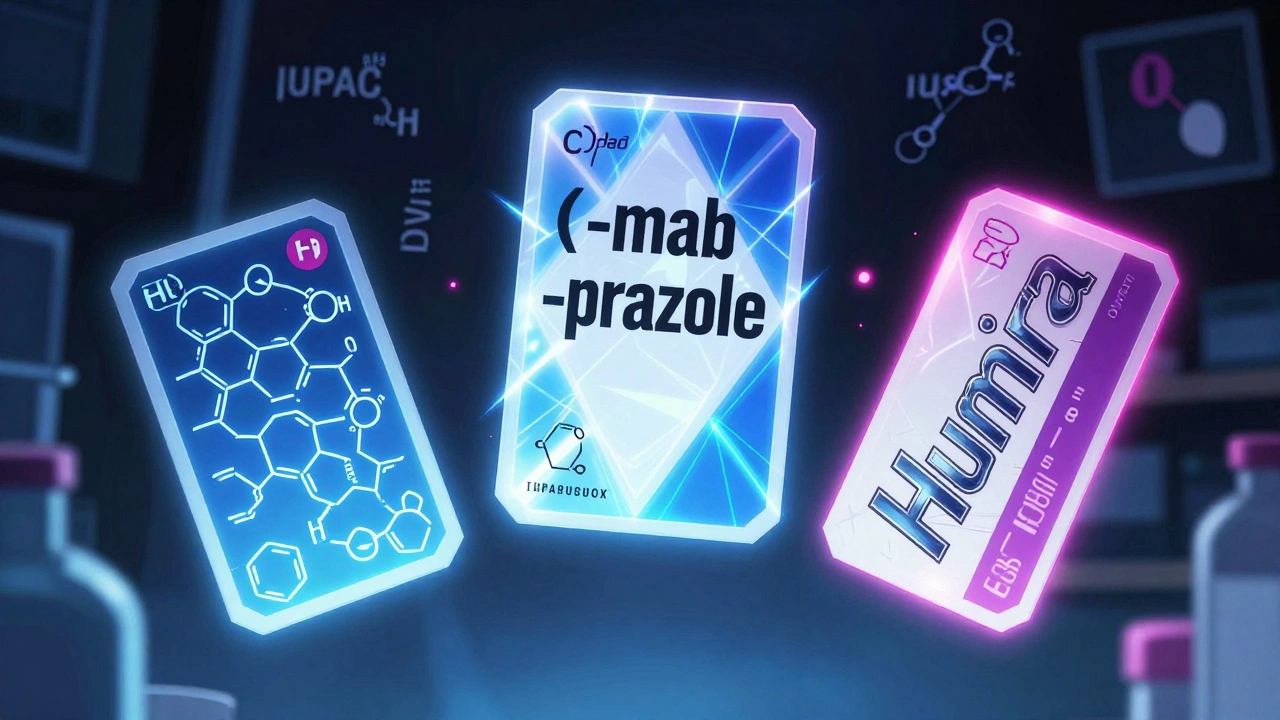
Learn how drugs get their chemical, generic, and brand names - and why these naming systems exist to prevent dangerous medication errors. Understand the science behind the labels on your pills.
Chemical Names: What They Mean and Why They Matter in Medications
When you see a drug labeled as avafil, the chemical name for the erectile dysfunction medication sold as Avana, you’re not just seeing a brand. You’re seeing the actual molecular structure that makes the drug work. Chemical names are the scientific blueprint of every medicine—whether it’s a generic pill, a prescription, or an over-the-counter remedy. They don’t change based on the pharmacy or the price tag. That’s why two different brands of the same drug can have wildly different names but identical effects: they share the same chemical backbone.
Understanding chemical names helps you avoid dangerous mix-ups. For example, acetaminophen, the active ingredient in Tylenol and many cold medicines is also called paracetamol outside the U.S. If you’re taking multiple products, you might accidentally double your dose without realizing it. Same goes for metformin, the most common drug for type 2 diabetes. It’s sold under dozens of brand names, but its chemical identity stays the same. Knowing it means you can spot generic versions, compare prices, and ask your pharmacist if a cheaper version is safe for you.
Chemical names also reveal why some drugs interact badly with food or other pills. Grapefruit isn’t just a fruit—it’s a chemical disruptor. It interferes with how your body breaks down simvastatin, a statin used to lower cholesterol, causing dangerous buildup in your blood. That’s not a coincidence—it’s chemistry. The same goes for apixaban, a blood thinner that can cause skin reactions in some people. Its chemical structure makes it sensitive to certain enzymes. If you’re on multiple meds, knowing the chemical names lets you check for hidden conflicts instead of guessing.
And it’s not just about safety. Chemical names explain why prices vary so wildly. The same generic drug can cost $12 in one state and $45 in another—not because one is better, but because of how it’s labeled, packaged, and distributed. When you know the chemical name, you’re no longer tied to a brand. You can ask for the exact compound, compare it across pharmacies, and save money without risking your health.
What you’ll find below are real-world stories about how chemical names affect daily life: from infant drops with confusing concentrations, to hormone therapies that clash with HIV meds, to how opioid constipation drugs target specific receptors without dulling pain. These aren’t textbook definitions—they’re practical guides written by people who’ve been there. Whether you’re managing a chronic condition, caring for a child, or just trying to avoid a pharmacy mistake, knowing what’s in your medicine isn’t just helpful—it’s essential.