
Every year, more than a million people die from fake medicines. Not because they didn’t follow their doctor’s advice. Not because their condition got worse. But because the pill they took didn’t have the right ingredients - or worse, had something toxic in it. This isn’t science fiction. It’s happening right now, in your city, in your neighborhood, and possibly even in your medicine cabinet.
What Exactly Are Counterfeit Medications?
Counterfeit medications are fake drugs made to look like the real thing. They might have the same color, shape, and branding as OxyContin, Xanax, Ozempic, or Mounjaro. But inside? They could be chalk, flour, rat poison, or a tiny bit of the real drug mixed with dangerous chemicals. Some are completely empty shells. Others contain the wrong dose - too little to work, or too much to be safe. The World Health Organization says these aren’t just mistakes. They’re deliberate fraud. Fake drugs are made in secret labs, often overseas, with zero quality control. They’re shipped across borders, sold on shady websites, and sometimes even handed out by people posing as pharmacists. The U.S. Food and Drug Administration (FDA) calls them “falsified” or “substandard” - meaning they’re either made to deceive or made poorly. Either way, they’re deadly.How to Spot a Fake Pill - 7 Clear Warning Signs
You can’t always tell just by looking. But there are red flags you can’t ignore.- Packaging looks off. Spelling mistakes, blurry logos, mismatched fonts, or labels that feel cheap are huge red flags. Real pharmaceutical companies don’t cut corners. If the box looks like it was printed on a home printer, walk away.
- Pills look different. Did your Xanax used to be a small white oval and now it’s a large yellow round tablet? Did the imprint change from “XAN 1” to “XAN 2”? Even slight changes in size, color, or markings mean something’s wrong.
- It tastes or smells weird. If your medication suddenly tastes bitter, metallic, or smells like plastic, stop taking it. Real pills have a consistent, neutral taste. Fake ones often use cheap fillers that alter flavor.
- No lot number or expiration date. Every legitimate medicine has a batch number and expiry date printed on the packaging. If it’s missing, or if the date looks smudged or altered, it’s fake.
- It came from an online pharmacy you don’t trust. If you bought it from a website that doesn’t ask for a prescription, or if the site looks like a sketchy eBay listing, it’s likely fake. The FDA says only buy from pharmacies licensed in your state.
- The price is too good to be true. If someone’s selling Ozempic for $20 a pen when the real one costs $1,000, it’s a trap. Counterfeiters lure people in with discounts - especially for high-demand drugs like weight-loss injections or painkillers.
- You feel different after taking it. New nausea, dizziness, rash, or sudden fatigue? These could be signs of poisoning. Don’t assume it’s your body adjusting. Call your doctor or pharmacist immediately.
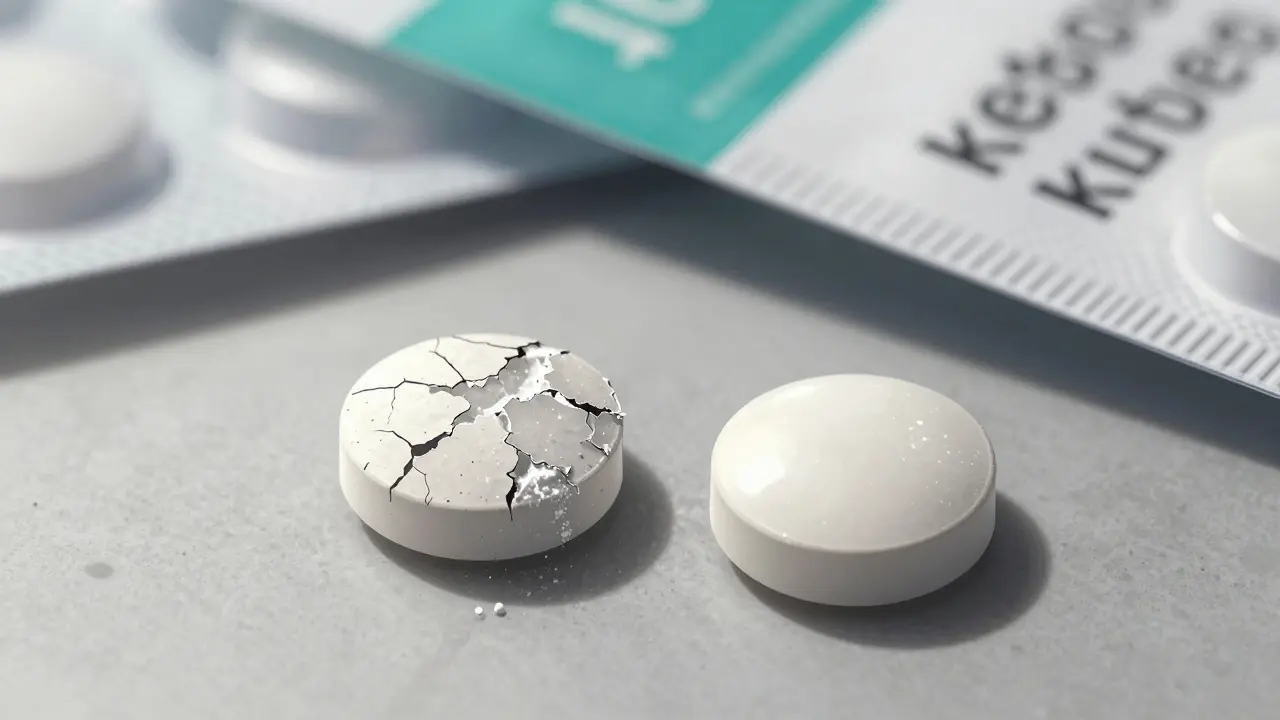
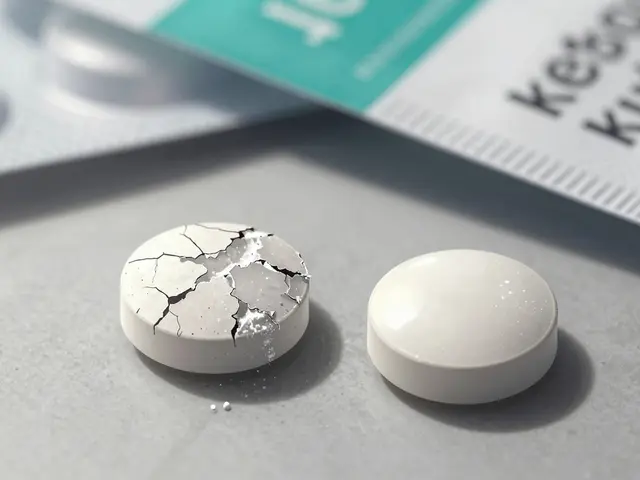
Pfizer’s security team says real pills are factory-made - smooth, uniform, and firm. If your tablet is crumbly, cracked, or has a bubbled coating, it’s not real. Moldy pills? That’s not a storage issue. That’s a warning sign someone used unsterile conditions to make them.
Where Are Fake Medicines Coming From?
Most fake drugs start in underground labs in countries like China, India, or Eastern Europe. But they don’t stay there. Criminal networks use social media, encrypted apps like Telegram, and fake websites to sell directly to consumers. You might think you’re buying from a pharmacy - but you’re actually texting with someone in a basement who’s never seen a medical license. The National Association of Boards of Pharmacy (NABP) found over 10,000 illegal online pharmacies selling GLP-1 drugs like Mounjaro and Zepbound. Many of these sites look professional. They have fake licenses, real-looking logos, and even customer reviews. But they’re all scams. Even injectable medications - once thought too complex to fake - are now being counterfeited. In 2024, the WHO issued a global alert about fake versions of tirzepatide injections being sold across North America and Europe. These weren’t just weak versions. Some contained no active ingredient at all. Others had the wrong concentration - enough to cause severe hypoglycemia or organ damage.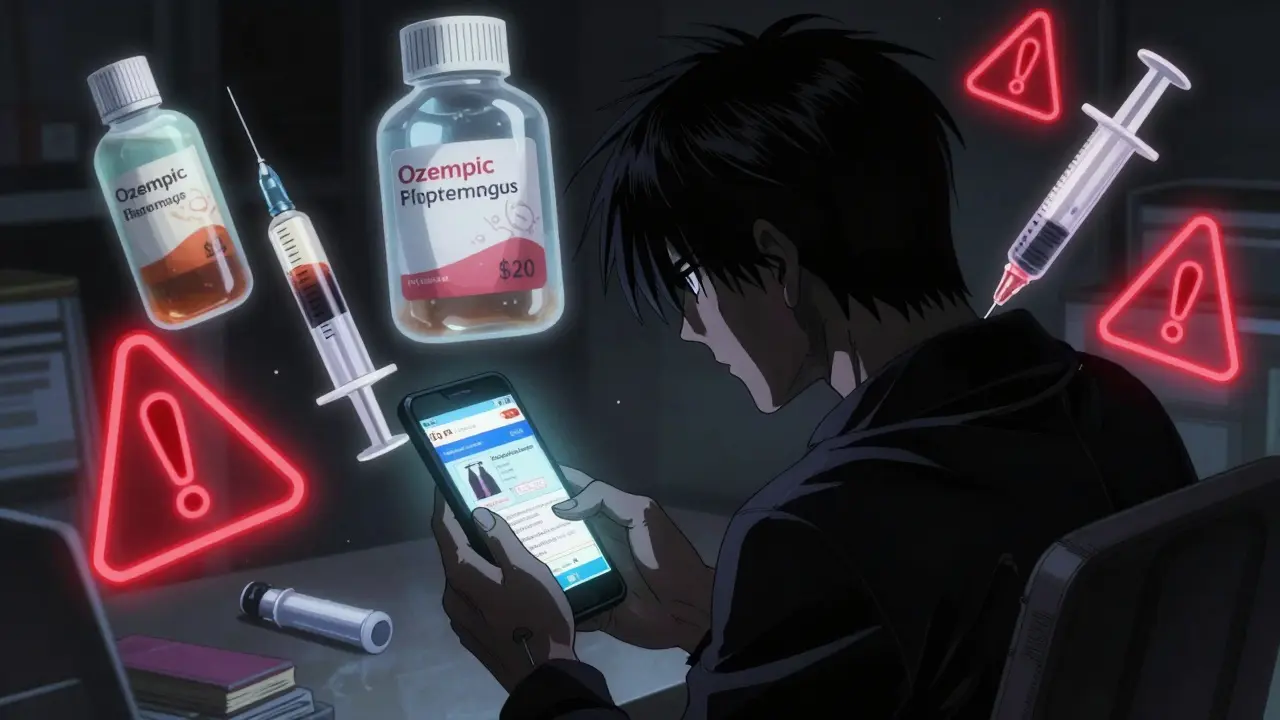
How to Buy Medications Safely
You don’t need to live in fear. You just need to be smart.- Only use licensed pharmacies. In Australia, that means pharmacies regulated by the Therapeutic Goods Administration (TGA). In the U.S., look for the VIPPS seal from the NABP. You can verify a pharmacy’s license online.
- Never buy from social media or strangers. If someone on Instagram says they’ve got extra Ozempic pens, walk away. No one is giving away prescription drugs for $50.
- Always get a prescription. Legitimate pharmacies require one. If a site lets you buy without one, it’s illegal - and dangerous.
- Ask your pharmacist. If your pill looks different, ask why. Pharmacists are trained to spot counterfeits. They’ll check the batch number, compare it to previous batches, and call the manufacturer if something’s off.
- Don’t share pills. Never take someone else’s medication, even if they say it’s the same. Two people can have the same diagnosis but different dosages, allergies, or interactions.
The FDA and TGA both say: if you’re unsure, don’t take it. Call your doctor or pharmacy. Better safe than sorry.
What to Do If You Think You Have a Fake
If you suspect your medication is fake, don’t throw it away. Don’t flush it. Don’t hide it.- Stop taking it. Right now.
- Save the packaging. Keep the bottle, box, and any labels. Take photos if you can.
- Call your pharmacist or doctor. They’ll report it to health authorities.
- Report it to the manufacturer. Eli Lilly, Pfizer, and other big pharma companies have hotlines to track counterfeits. If you have a lot number, they can tell you if it’s real.
- Report to your national health agency. In Australia, contact the TGA. In the U.S., use the FDA’s MedWatch program. Your report helps stop others from getting hurt.
One person reporting a fake pill can lead to a whole batch being pulled off the market. Your action saves lives.
Why This Matters More Than Ever
The rise of online shopping, social media, and high-demand drugs like weight-loss injections has created the perfect storm for counterfeiters. People are desperate. They want results fast. And criminals are happy to sell them hope - wrapped in a fake pill. But here’s the truth: there’s no shortcut to health. A real prescription, a licensed pharmacy, and a trusted doctor are your only guarantees. No app, no discount, no Instagram influencer can replace that. The next time you pick up a new prescription, take a second to look at the pill. Check the packaging. Ask questions. Don’t assume it’s safe because it looks right. Real medicine doesn’t need to look perfect - it just needs to be real.Frequently Asked Questions
Can I tell if a pill is fake just by looking at it?
Sometimes - but not always. Many counterfeit pills are made to look identical to the real thing. You might notice differences in color, size, or packaging, but the only way to be 100% sure is through lab testing. That’s why it’s critical to buy from licensed pharmacies and report anything unusual.
Are online pharmacies ever safe?
Only if they’re verified. In the U.S., look for the VIPPS seal from the National Association of Boards of Pharmacy. In Australia, check if the pharmacy is registered with the Therapeutic Goods Administration. If the site doesn’t ask for a prescription or doesn’t show a physical address, avoid it.
What should I do if I bought fake medicine from a website?
Stop using it immediately. Save the packaging and report it to your national health agency - like the TGA in Australia or the FDA in the U.S. Also notify the manufacturer of the drug. They track these reports to help shut down counterfeit operations. Don’t wait - fake drugs can cause harm even after one dose.
Why are fake weight-loss drugs like Ozempic and Mounjaro so common?
Because they’re expensive and in high demand. A single pen of Ozempic can cost over $1,000, making it a prime target for counterfeiters. Criminals sell fake versions for as little as $50 online, preying on people who can’t afford the real thing. But these fake pens often contain no active ingredient - or worse, dangerous chemicals that can cause liver damage or severe blood sugar crashes.
Can counterfeit drugs be harmless?
Rarely. Even if a fake pill contains no poison, it likely doesn’t have the right dose. If you’re taking it for high blood pressure, diabetes, or heart disease, missing the right amount can lead to a stroke, heart attack, or uncontrolled illness. There’s no such thing as a “safe” counterfeit.

Sue Stone
January 23, 2026 at 16:26Just bought my diabetes meds online last month because the pharmacy wanted $800. I didn’t check the packaging. Now I’m paranoid every time I open a bottle. Thanks for the warning.
dana torgersen
January 24, 2026 at 02:03So… like… if the pill looks right, but the bottle has a typo… is it still dangerous?? I mean, like… maybe it’s just a printing error?? Or is that… like… the whole point??
Andrew Smirnykh
January 24, 2026 at 16:42I’ve seen this happen in rural areas where people can’t afford prescriptions. The desperation makes them vulnerable. It’s not just about fraud-it’s about systemic failure. We need better access, not just more warnings.
Stacy Thomes
January 25, 2026 at 13:33MY MOM TOOK A FAKE OZEMPIC PEN AND ALMOST DIED. I SWEAR TO GOD, IF YOU BUY MEDS OFF INSTAGRAM, YOU’RE PLAYING RUSSIAN ROULETTE WITH YOUR LIFE. THIS ISN’T A DRILL. STOP IT. NOW.
Anna Pryde-Smith
January 26, 2026 at 02:13Who even trusts pharmacies anymore? I heard the FDA gets bribed. Big Pharma doesn’t want you to know the truth-your pills are designed to keep you sick. Fake or real, they’re all part of the game.
Dawson Taylor
January 26, 2026 at 02:38Verification protocols exist for a reason. The burden of due diligence rests with the consumer. Licensed pharmacies are not difficult to locate. The failure lies in the absence of diligence, not in systemic neglect.
Sallie Jane Barnes
January 26, 2026 at 21:21I’ve worked in a pharmacy for 18 years. We check every batch. If your pill looks off, bring it in. We’ll compare it. We’ve caught fakes before. Don’t be embarrassed. Ask. It’s what we’re here for.
charley lopez
January 28, 2026 at 04:58The pharmacokinetic variability introduced by substandard active pharmaceutical ingredients (APIs) can result in non-therapeutic plasma concentrations or toxic accumulation. This is a public health crisis requiring regulatory harmonization across jurisdictions.
Kerry Evans
January 29, 2026 at 03:12People who buy drugs off the internet deserve what they get. No one forced them to be lazy. If you can’t afford your meds, get a job. Or go on disability. Don’t risk your life because you’re too cheap to do the right thing.
Susannah Green
January 30, 2026 at 22:48Always check the lot number on the FDA’s website! And if the pill is crumbly? That’s a dead giveaway. I once saw a fake Xanax that had glitter in it-glitter! I reported it. They shut down the whole operation. You can make a difference.
Kerry Moore
January 31, 2026 at 20:40I’ve been researching this for months. The global counterfeit drug market is estimated at $200 billion annually. What’s rarely discussed is how it disproportionately affects elderly populations and low-income communities. We need community outreach programs, not just online warnings.
Oladeji Omobolaji
February 1, 2026 at 20:33Back home in Nigeria, we see this all the time. People buy antibiotics from street vendors. They die. No one reports it because they’re scared of the police. This isn’t just an American problem.
Janet King
February 2, 2026 at 12:38My sister took a fake blood pressure pill. She had a stroke. The packaging looked perfect. The pill looked right. The only way we knew was because she ended up in the ER. Don’t assume anything. Always verify.
Vanessa Barber
February 3, 2026 at 12:01Actually, most of these ‘fake’ drugs are just generic versions sold without a brand name. You’re being manipulated by fear marketing. Big pharma doesn’t want you buying cheaper alternatives.