
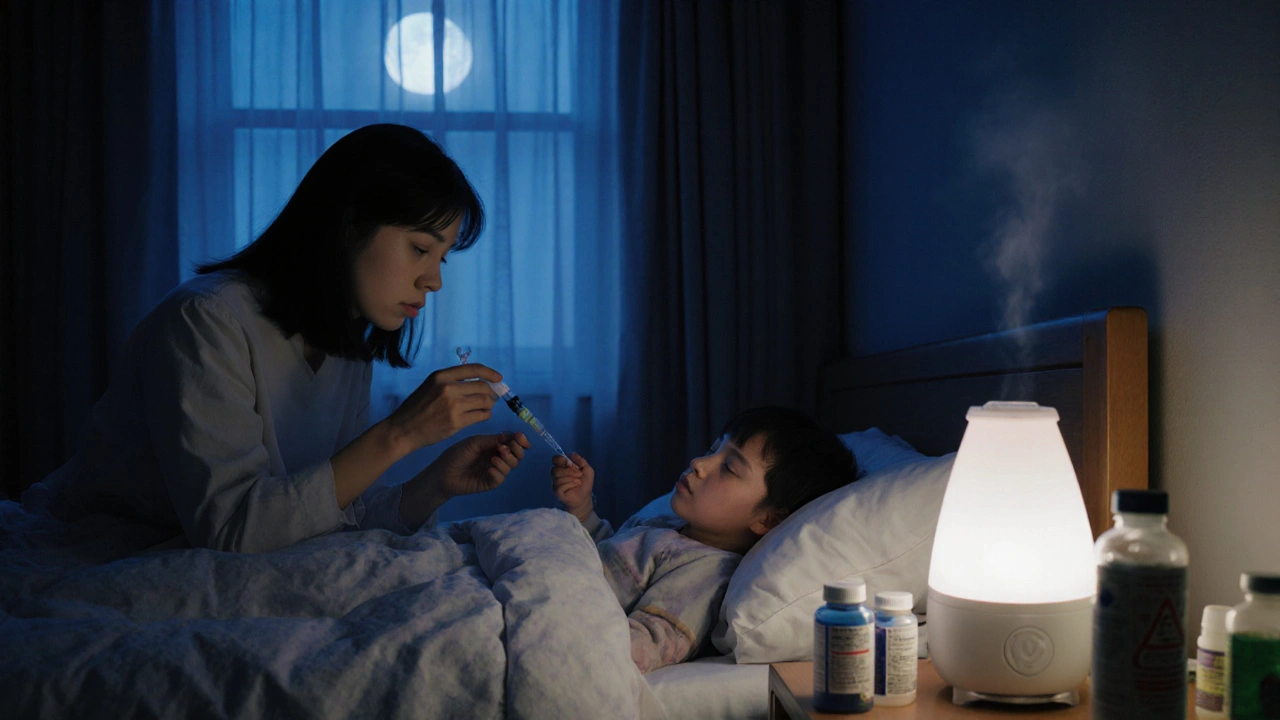
Cough and cold medicines aren't safe or effective for kids under 6. Learn what actually works-like honey and saline drops-and why OTC meds can be dangerous. Expert-backed advice for parents.
Safe Cold Remedies for Toddlers: What Works and What to Avoid
When your toddler has a cold, you want relief—fast. But not all remedies are safe for little ones. The safe cold remedies for toddlers, non-prescription treatments approved for children under two. Also known as pediatric cold care, these are treatments backed by pediatric guidelines, not internet myths or old wives’ tales. Many parents reach for cough syrups or decongestants because they worked for them as kids. But the FDA and AAP warn against giving those to children under six. The risk isn’t just side effects—it’s that those drugs don’t work for toddlers anyway. Their bodies process meds differently, and the ingredients can cause serious reactions like rapid heart rate or seizures.
So what actually helps? The real answer is simple: hydration, humidity, and rest. A cool-mist humidifier in the bedroom loosens mucus. Saline drops and a bulb syringe clear nasal passages. Warm fluids like broth or water soothe sore throats and keep them from getting dehydrated. Honey is a proven cough suppressant—but only for kids over one year old. Never give honey to babies under twelve months; it can cause botulism. Fever? Acetaminophen or ibuprofen (at the right weight-based dose) are the only safe options. No aspirin. Ever. It’s linked to Reye’s syndrome, a rare but deadly condition.
There’s a lot of noise out there about herbal teas, essential oils, and homeopathic drops. Some parents swear by them. But the science? Almost none. Essential oils like eucalyptus can irritate toddler airways. Herbal teas might contain unregulated ingredients. Even zinc lozenges or vitamin C gummies marketed for kids aren’t proven to shorten colds in toddlers—and can cause nausea or tooth damage. The over-the-counter cold meds for kids, products labeled for children but often containing the same risky ingredients as adult versions. Always check the active ingredients. If it says "dextromethorphan," "phenylephrine," or "pseudoephedrine," skip it. Those are for adults. Look for products labeled "toddler-safe" or better yet, talk to your pediatrician before buying anything.
What you’ll find below are real, tested approaches. No fluff. No marketing. Just what works based on current medical advice and what doesn’t—backed by studies and pediatric guidelines. You’ll see how to manage fever without drugs, how to use a humidifier right, and which natural methods actually reduce coughing and congestion. You’ll also learn what to watch for that means it’s time to call the doctor. These aren’t suggestions from bloggers. They’re tools used by pediatricians every day. If your toddler has a cold, you’re not alone. And you don’t need to guess what’s safe. The answers are here.