
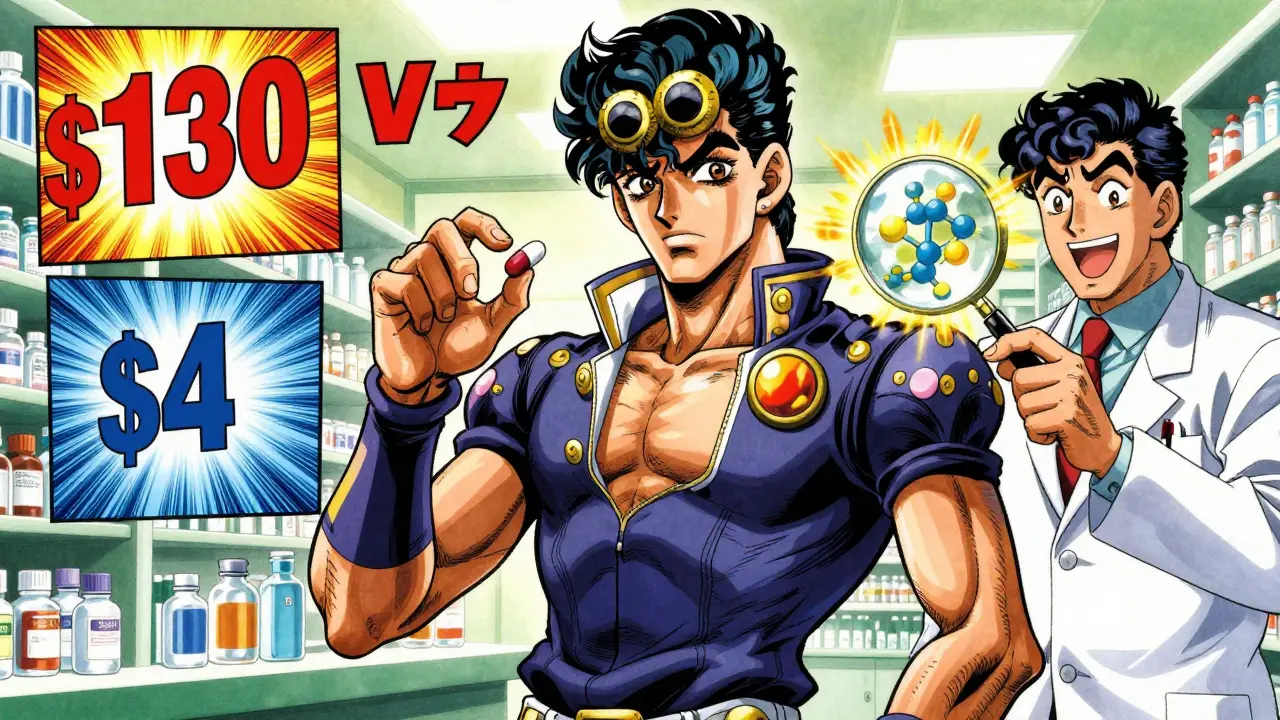
Switching to generic medications saves up to 85% on prescription costs without sacrificing safety or effectiveness. Learn why generics are just as good - and how to make the switch.
Generic vs Brand Medications: What You Really Need to Know
When you pick up a prescription, you might see two options: the generic drug, a medication with the same active ingredient as a brand-name drug but sold under its chemical name. Also known as generic medication, it's often much cheaper and just as effective. Or you might get the brand name drug, the original version developed by a pharmaceutical company, protected by patent until it expires. Also known as proprietary drug, it carries the company’s logo and usually a higher price tag. The big question isn’t whether one is better—it’s whether you’re being told the whole story.
Here’s the truth: generic vs brand isn’t about quality. The FDA requires generics to have the same active ingredient, strength, dosage form, and route of administration as the brand. They must also prove they work the same way in your body. That means if your brand-name pill lowers blood pressure by 20%, the generic does too—same speed, same results. The difference? Fillers, color, shape, and packaging. No magic. No hidden ingredients. Just savings. Many people assume generics are "weaker" because they cost less, but that’s like thinking a store-brand cereal is less nutritious than the name-brand one. It’s not. In fact, the same factories often make both versions. One just has a fancy label.
Pharmacist substitution authority plays a big role here. In most states, pharmacists can swap a brand for a generic unless the doctor says "do not substitute." That’s not a loophole—it’s a system designed to save you money without sacrificing care. But not everyone knows this. Some patients ask for the brand because they’re used to it. Others get confused when the pill looks different. That’s why understanding therapeutic interchange, when a pharmacist switches one drug for another with similar effects. Also known as drug substitution, it’s a routine part of modern pharmacy practice. matters. It’s not about cutting corners. It’s about smart, safe, affordable care.
And it’s not just about pills. The same logic applies to over-the-counter meds. Ibuprofen is ibuprofen, whether it’s Advil or the store brand. Same for acetaminophen, omeprazole, or loratadine. You’re not losing anything by choosing the cheaper option—unless you have a rare allergy to an inactive ingredient, which is extremely uncommon. Even then, your pharmacist can help you find an alternative that fits.
What you’ll find in the posts below isn’t theory. It’s real-world insight. You’ll see how out-of-pocket maximums, the cap on what you pay for care in a year, including copays and deductibles. Also known as annual out-of-pocket limit, it’s a key part of insurance planning. work with generic copays. You’ll learn how pharmacist substitution, when a pharmacist changes your prescription to a different but equivalent drug. Also known as drug interchange, it’s legal and common in most states. affects your daily life. And you’ll get straight answers on whether switching from brand to generic is safe for conditions like thyroid disease, high blood pressure, or even ED. No fluff. No marketing. Just what works, what doesn’t, and what you need to ask your pharmacist next time you pick up a prescription.

Learn how to successfully appeal insurance denials for brand-name medications when generics won’t work. Step-by-step guide with real data, doctor tips, and legal rights to get your prescription covered.