
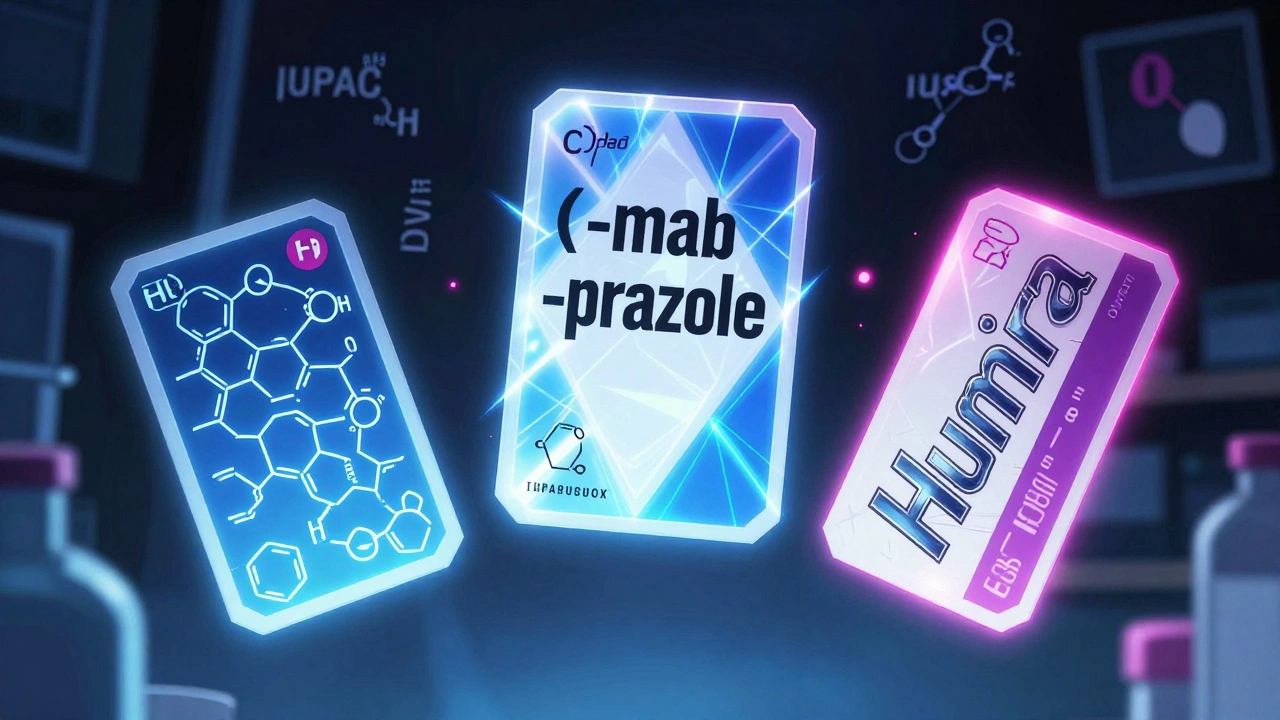
Learn how drugs get their chemical, generic, and brand names - and why these naming systems exist to prevent dangerous medication errors. Understand the science behind the labels on your pills.
Generic Drug Names: What They Are, Why Prices Differ, and How to Save
When you hear generic drug names, the official non-brand chemical names for medications that work just like their brand-name versions. Also known as generic medications, they're the backbone of affordable healthcare in the U.S. But here’s the catch: just because two pills have the same generic drug name doesn’t mean they cost the same. The same 10 mg lisinopril tablet can cost $4 in one pharmacy and $40 in another—same active ingredient, same manufacturer sometimes, totally different price. Why? It’s not about quality. It’s about middlemen, pharmacy benefit managers (PBMs), and state-level pricing chaos.
Generic drug names like metformin, the most common first-line treatment for type 2 diabetes, or atorvastatin, the generic version of Lipitor used to lower cholesterol, are exact copies of brand drugs. They have the same active ingredients, same dosage, same safety profile. But the packaging, color, and price? Totally different. And here’s what most people don’t know: your insurance plan might force you to take one generic version over another—even if they’re chemically identical—because of hidden deals between PBMs and drug distributors. That’s why generic drug prices, the out-of-pocket cost for non-brand medications vary so wildly by state. Some states have laws that cap pharmacy markups. Others don’t. Some pharmacies negotiate bulk deals. Others don’t. And if your pharmacist doesn’t know the difference between generic versions, you might end up paying more for no reason.
It’s not just about money. It’s about access. If you’re on a fixed income, or juggling multiple prescriptions, a $15 difference on your monthly generic drug name can mean skipping a dose or choosing food over medicine. That’s why understanding how generic vs brand, the choice between chemically identical medications with different pricing works matters. You don’t need the brand name unless your body reacts differently to the filler ingredients—which is rare. Most of the time, the generic is just as safe, just as effective, and way cheaper. But you have to know how to ask for it, how to compare prices, and when to push back.
Below, you’ll find real stories and facts from people who’ve been there: why the same generic drug name costs $12 in Ohio and $45 in Texas, how pharmacists can legally switch your prescription without telling you, and what to do when your insurance denies your generic. You’ll see how people saved hundreds by switching pharmacies, how to spot a bad generic substitution, and why some generic versions work better for you than others—even if they have the same name. This isn’t theory. It’s what’s happening in pharmacies right now, and you deserve to know how to play the system so it works for you, not against you.