

Learn how to protect kidneys by managing AKI risks in CKD patients. Guide on avoiding contrast dyes and harmful drugs.
Chronic Kidney Disease: Causes, Treatments, and Medication Risks
When your chronic kidney disease, a long-term condition where the kidneys gradually lose their ability to filter waste and excess fluids from the blood. Also known as chronic renal disease, it doesn’t hit like a sudden illness—it creeps in, often without warning signs until damage is serious. Your kidneys don’t just make urine. They balance electrolytes, control blood pressure, and help make red blood cells. When they fail slowly over months or years, everything else in your body starts to struggle.
This isn’t just about aging. diabetes, a condition where high blood sugar damages small blood vessels, including those in the kidneys is the top cause. high blood pressure, a force that strains the kidney’s filtering units over time is right behind it. Even common drugs like NSAIDs (ibuprofen, naproxen) can speed up damage if you already have weak kidneys. And if you’re on multiple meds for other conditions—like heart disease, diabetes, or arthritis—you might not realize some of them are putting extra stress on your kidneys.
People with chronic kidney disease often don’t feel sick until it’s advanced. That’s why checking your eGFR (a blood test that measures kidney function) and urine albumin levels matters more than waiting for swelling or fatigue. Once damage hits stage 3 or higher, your treatment options shift. You might need to change your diet, start blood pressure meds that protect kidneys (like ACE inhibitors), or eventually prepare for dialysis, a treatment that filters your blood when kidneys can’t. But even then, your meds still matter. Some antibiotics, contrast dyes for scans, and even certain herbal supplements can be dangerous—or worse, deadly—if your kidneys aren’t working right.
The posts here don’t just list facts. They show you what actually happens when drugs meet failing kidneys. You’ll find real talk about why grapefruit can wreck your statins when your kidneys are weak, how generic drug prices vary by state and what that means for your monthly budget, and why some painkillers you think are harmless are quietly damaging your system. You’ll see how opioid constipation meds work differently in kidney patients, how insulin dosing changes as kidney function drops, and why reporting side effects to the FDA matters more than you think.
This isn’t about scare tactics. It’s about clarity. If you or someone you care about is managing chronic kidney disease, you need to know which pills to take, which to avoid, and how to spot trouble before it’s too late. The information below is pulled straight from real cases, clinical guidelines, and patient experiences—no fluff, no jargon, just what you need to stay safer and make smarter choices every day.
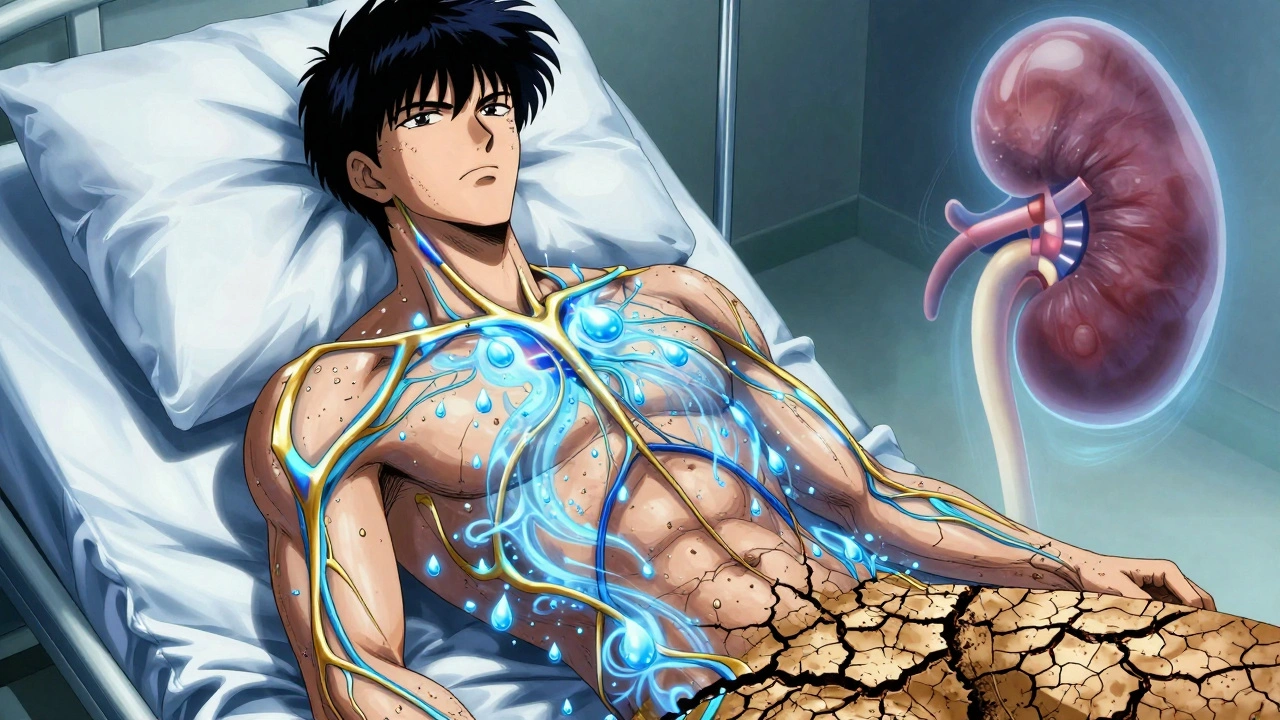
Hyponatremia and hypernatremia are common, dangerous electrolyte disorders in kidney disease. Learn how kidney failure disrupts sodium balance, why diet restrictions can backfire, and how to avoid life-threatening mistakes in treatment.