
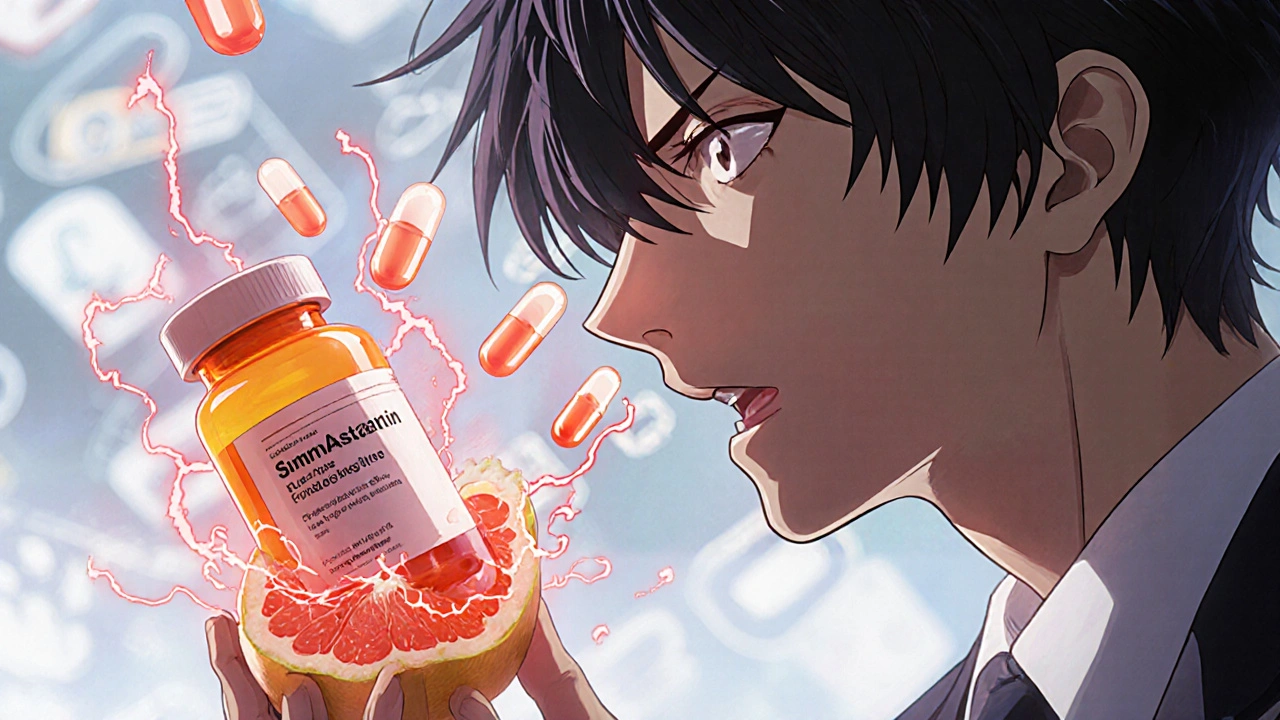
Grapefruit can dangerously increase statin levels in your blood, raising the risk of muscle damage and kidney failure. Learn which statins are risky, what symptoms to watch for, and how to stay safe.
Statin Side Effects: What You Need to Know Before Taking Cholesterol Meds
When you take a statin, a class of drugs used to lower LDL cholesterol and reduce heart attack risk. Also known as HMG-CoA reductase inhibitors, they’re among the most prescribed medications in the world—but not everyone knows what they actually do to your body. Millions of people take them without issues, but for others, the side effects are real, persistent, and sometimes ignored by doctors who assume it’s just "normal." You might feel muscle aches, fatigue, or brain fog and wonder if it’s aging, stress, or the pill you take every night.
Not all statin side effects are the same. Some people get mild muscle pain, a common complaint that can range from soreness to debilitating weakness, while others face rare but dangerous issues like rhabdomyolysis, a condition where muscle tissue breaks down and floods the kidneys with harmful proteins. Then there are liver enzyme changes, often found on routine blood tests, which usually don’t mean damage but can trigger unnecessary panic. And let’s not forget the less talked about effects: higher blood sugar, memory lapses, or digestive upset. These aren’t just side effects—they’re signals your body might be telling you something.
What makes this even trickier is that many of these symptoms show up weeks or months after starting the drug. You might blame your new job, lack of sleep, or a bad diet—when the real culprit is a pill you didn’t think twice about. The good news? Not everyone reacts the same way. Some statins are easier on the body than others. Atorvastatin might cause more muscle issues in one person, while rosuvastatin could spike blood sugar in another. Switching types, lowering the dose, or even taking CoQ10 supplements can make a difference—without giving up the heart protection you need.
And here’s the thing: if you’re on a statin, you’re not alone in feeling unsure. Thousands of people stop taking them because of side effects, only to find out later that their cholesterol was still high and their risk didn’t go down. But you don’t have to guess. You don’t have to suffer in silence. The posts below break down real cases, science-backed fixes, and what your doctor might not tell you—like how to tell if your muscle pain is from statins or something else, when to push back on your doctor, and what alternatives actually work without the same risks.