
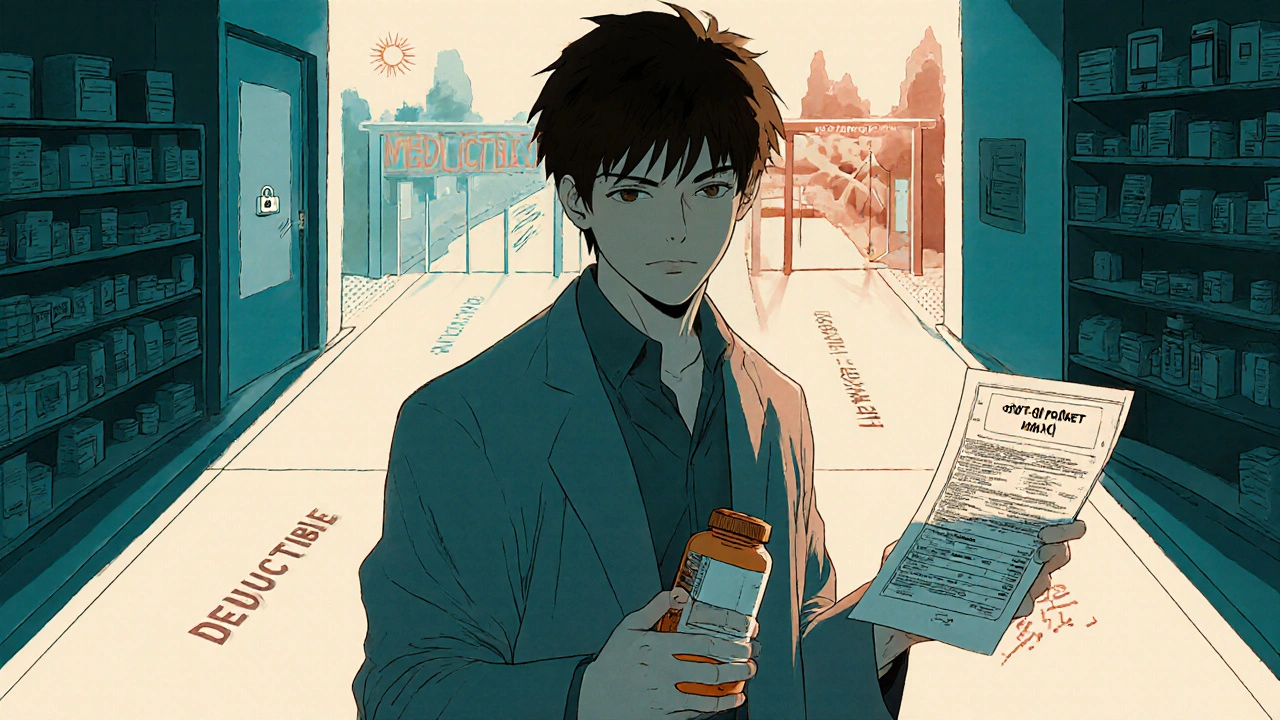
Generic copays don't count toward your health insurance deductible-but they do count toward your out-of-pocket maximum. Understand how this works to avoid surprise bills and make smarter care decisions.
Generic Copays: What They Are and How to Save on Prescription Costs
When you pick up a prescription, the amount you pay at the pharmacy isn’t the full price—it’s your generic copay, the fixed amount you pay for a generic version of a drug under your insurance plan. Also known as a copayment, this is your share of the cost, and it’s usually much lower than what you’d pay for the brand-name version. Most insurance plans encourage you to use generics because they’re just as effective but cost far less. That’s why your copay for a generic might be $5, while the brand-name version could cost $50 or more—even if they contain the same active ingredient.
But not all generic medications, drug products that are chemically identical to brand-name versions but sold under their chemical name. Also known as generic drugs, they are approved by the FDA and must meet the same safety and effectiveness standards are treated the same by your insurer. Some plans have tiered copays: Tier 1 is your cheapest generic, Tier 2 might be a slightly more expensive generic, and Tier 3 could be a brand-name drug you can only get if your doctor proves the generic won’t work. If you’ve ever been denied a brand-name drug and had to appeal, you’ve seen this system in action. The key is knowing your plan’s structure—some insurers require prior authorization, a process where your doctor must get approval before your insurance will cover a specific medication. Also known as pre-approval, it’s common for high-cost or non-first-line drugs before covering anything beyond the cheapest generic. And if your doctor says a brand-name drug is medically necessary, you might be able to fight the denial with a letter and supporting records.
What’s not always obvious is that your prescription costs, the total amount you pay out of pocket for medications, including copays, coinsurance, and any uncovered expenses. Also known as out-of-pocket drug expenses, they add up fast if you’re on multiple meds don’t just depend on your plan—they depend on where you fill your script. A pharmacy discount program, a manufacturer coupon, or even switching to a different pharmacy chain can slash your copay. For example, Walmart and Costco often offer $4 generics for common drugs like metformin or lisinopril, even if your insurance doesn’t cover them at that price. And if you’re on a high-deductible plan, every dollar you save on a generic copay goes toward meeting your deductible faster.
You might wonder why some drugs don’t have generics yet. That’s usually because the patent hasn’t expired—usually 12 to 20 years after the brand launched. But once it does, multiple companies can make the same drug, and prices drop fast. That’s why a drug like Lipitor, once the best-selling brand, now has dozens of generic versions costing pennies per pill. The same is true for many blood pressure pills, antidepressants, and even some diabetes meds. If your doctor prescribes a brand-name drug that’s been generic for years, ask why. It’s not always about effectiveness—it could be habit, marketing, or lack of awareness.
There’s no magic trick to lowering your pharmacy savings, strategies and tools that reduce the cost of getting your prescriptions filled, including generics, coupons, mail-order, and patient assistance programs. Also known as drug cost reduction, they’re often overlooked by patients, but there are simple steps. Always ask if a generic is available. Compare prices across pharmacies. Check for coupons on GoodRx or SingleCare. Talk to your pharmacist—they know which programs your insurer accepts and which manufacturers offer patient assistance. And if you’re on multiple meds, ask about combination pills. Sometimes, two drugs in one tablet cut your copay in half.
What you’ll find in the posts below are real stories and practical guides from people who’ve navigated insurance denials, switched from brand to generic, and saved hundreds a year by understanding how copays really work. You’ll see how people with Hashimoto’s, diabetes, or high blood pressure cut their medication costs without sacrificing care. You’ll learn how to appeal when your plan refuses to cover a drug you need. And you’ll discover which over-the-counter alternatives can sometimes replace expensive prescriptions. This isn’t about cutting corners—it’s about using the system the way it was meant to be used: to keep you healthy without breaking the bank.