
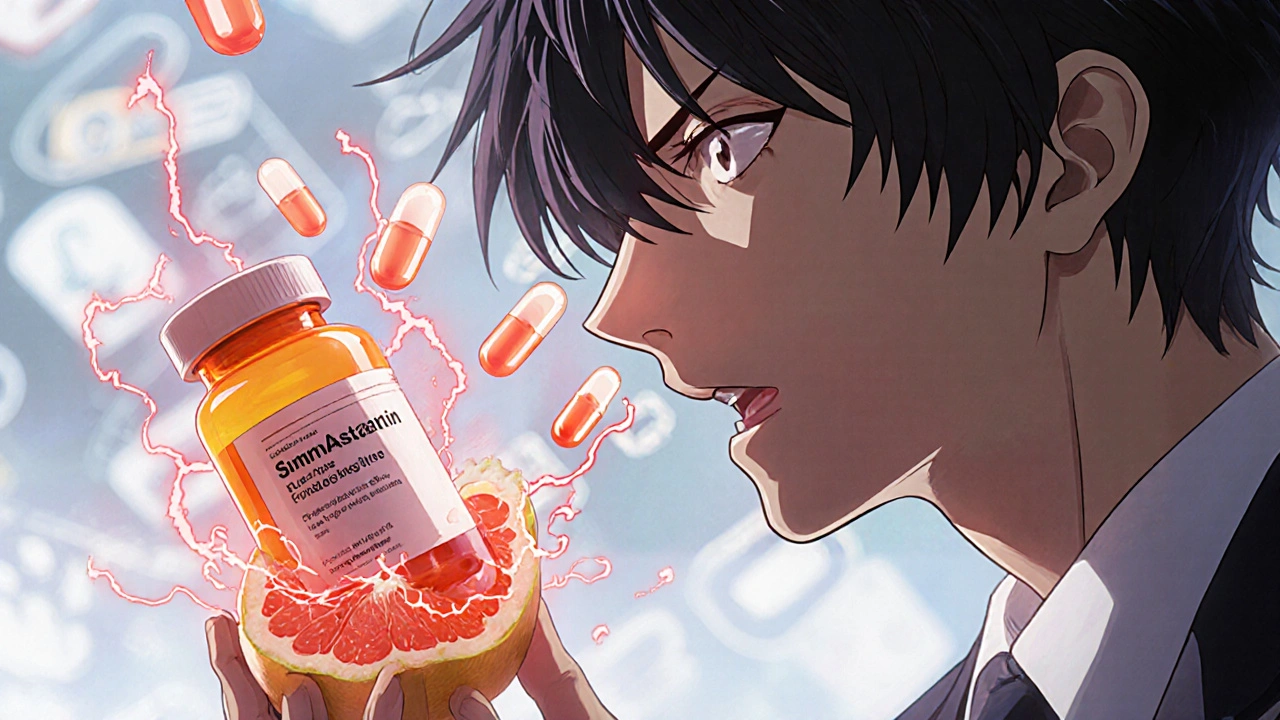
Grapefruit can dangerously increase statin levels in your blood, raising the risk of muscle damage and kidney failure. Learn which statins are risky, what symptoms to watch for, and how to stay safe.
Statin Safety: What You Need to Know About Side Effects, Risks, and Real-World Use
When you take a statin, a class of drugs used to lower LDL cholesterol and reduce heart attack risk. Also known as HMG-CoA reductase inhibitors, they’re among the most prescribed medications in the world—but not everyone knows what’s really going on inside their body while taking them. Statins work by blocking an enzyme your liver uses to make cholesterol. That’s good news if you’re at risk for heart disease. But for others, the trade-offs aren’t so clear.
One of the biggest concerns around statin side effects, common reactions like muscle pain, fatigue, or digestive issues is whether they’re normal or a sign of something worse. Studies show about 10% of people stop statins because of muscle discomfort, but many of those cases aren’t true statin-induced myopathy. Sometimes it’s just aging, lack of movement, or another drug mixing in. That’s why statin interactions, how statins react with other medications like antibiotics, antifungals, or grapefruit juice matter just as much as the statin itself. A simple antibiotic like erythromycin can spike statin levels in your blood and raise your risk of muscle damage. Grapefruit? It slows down how fast your body clears the drug. Both can turn a safe dose into a dangerous one.
And then there’s the myth that statins cause diabetes. Yes, there’s a small increased risk—about 1 in 200 people over five years. But for someone with high cholesterol and high blood pressure, the heart protection from statins far outweighs that risk. What’s more, many people who blame statins for weight gain or brain fog are actually dealing with unrelated issues: poor sleep, stress, or undiagnosed thyroid problems. That’s why it’s never just about the pill—it’s about your whole health picture.
If you’re on a statin and feel off, don’t quit cold turkey. Talk to your doctor. There are different types of statins—some are stronger, some are cleared from the body faster, some have fewer interactions. You might switch to a lower dose, try a different statin, or even explore statin alternatives, like ezetimibe, PCSK9 inhibitors, or lifestyle changes backed by real data. Some people do fine with just diet and exercise. Others need the drug. The key is knowing which one fits you—not the next person.
The posts below dive into real stories and data: how people manage muscle pain without stopping their meds, what blood tests actually tell you about statin safety, why some folks can’t tolerate any statin at all, and what newer options are showing promise. You’ll find practical advice from patients and doctors who’ve seen the ups and downs firsthand. No fluff. No fearmongering. Just what works—and what doesn’t—when it comes to keeping your heart safe without wrecking your body.