
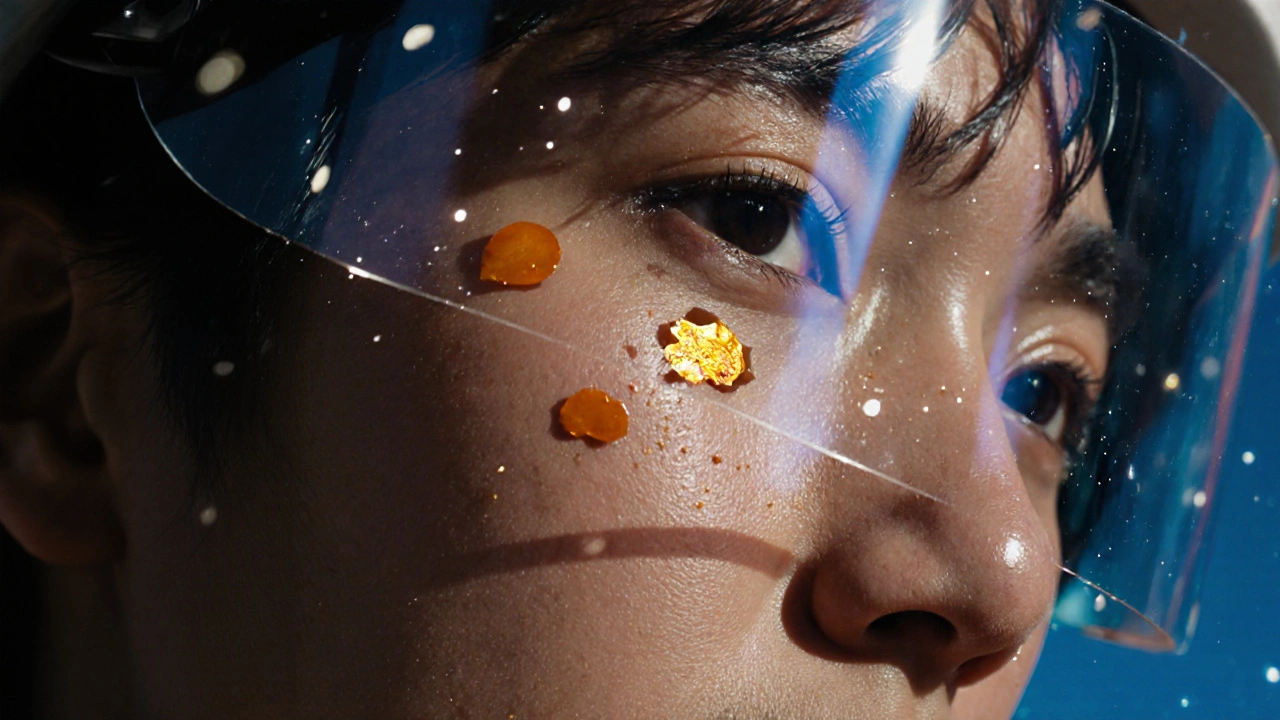
Hyperpigmentation and keloids are common, persistent skin concerns in people with darker skin tones. Learn why they form, how to treat them safely, and what products and habits actually work-backed by current dermatology research.
Keloids in Dark Skin: Causes, Treatments, and What Actually Works
When skin heals after an injury, some people develop keloids, raised, overgrown scars that extend beyond the original wound site. These are far more common in people with dark skin tones, including those of African, Asian, or Hispanic descent. Unlike regular scars, keloids don’t stop growing—they keep spreading, sometimes for months or years, and can be itchy, painful, or just plain frustrating to live with. If you’ve ever had a piercing, acne breakout, or even a small cut that turned into a hard, rubbery bump, you know how stubborn these can be.
Why does this happen more in dark skin? It’s not just about melanin. Research shows that skin cells in darker complexions produce more collagen during healing, and they’re more likely to overreact to even minor trauma. A 2020 study in the Journal of the American Academy of Dermatology found that people with Fitzpatrick skin types IV to VI are up to 15 times more likely to develop keloids than those with lighter skin. That’s not a small risk—it’s a real biological difference. And while some think it’s just genetics, it’s also about how the body responds to inflammation. Even a tiny pimple or ingrown hair can trigger one if your skin is prone to it.
Common treatments like corticosteroid injections, silicone sheets, or pressure earrings often help, but they’re not magic. Many people try lasers or cryotherapy, only to see the keloid come back worse. The truth? The most effective approach combines multiple strategies. For example, injecting steroids right after surgery to remove a keloid can cut recurrence rates in half. And if you’re thinking about getting a tattoo, piercing, or even a mole removed, talk to a dermatologist first. Prevention matters more than correction.
What’s often ignored is how emotional this gets. Keloids aren’t just physical—they affect confidence, clothing choices, and even social interactions. A woman in her 30s told me she stopped wearing tank tops after a keloid formed from a childhood vaccination. She wasn’t just hiding a scar—she was hiding part of herself. That’s why treatment isn’t just about medicine. It’s about understanding your skin, knowing your options, and finding a doctor who gets it.
Some people turn to home remedies—onions, honey, tea tree oil—but there’s little proof they work. What does work? Evidence-based care. That’s why the posts below cover everything from topical creams that actually reduce keloid size, to how certain medications can trigger them, to what to do if your insurance denies a treatment. You’ll find real stories, real data, and real solutions—not guesses or hype.
Whether you’re dealing with a new keloid or one that’s been there for years, you’re not alone. And you don’t have to live with it. The right plan exists—you just need to know where to look.